

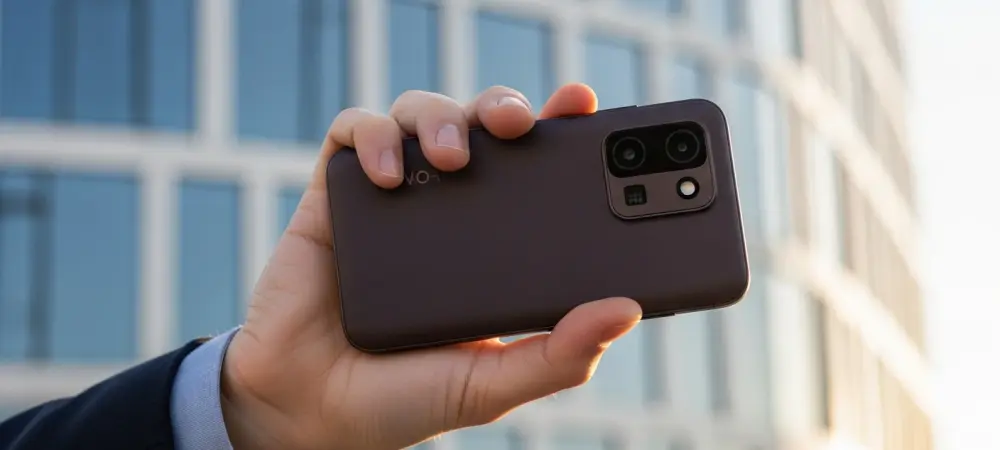
The persistent trade-off between pocketable dimensions and high-end hardware has finally reached a turning point with the arrival of devices that refuse to sacrifice battery life for a smaller footprint. As manufacturers often push users toward massive screens to justify premium internal specifications, the OnePlus 15T emerges as a defiant alternative that prioritizes ergonomic sanity. This handset manages to pack the heart of a titan into a chassis that fits comfortably in a single hand, effectively bridging the gap between portability and power in a crowded market.
Technical Overview and Core Features
Aesthetic refinement defines the external build, featuring a “squircle” camera module that blends geometric precision with soft curves. This housing contains a sophisticated dual-sensor array while maintaining a low profile that prevents the phone from feeling top-heavy. Available in matte green and a deep brown, the exterior uses a flat frame with rounded edges to ensure that the device remains secure during one-handed operation. The front is dominated by a 6.32-inch flat display where bezels have been pushed to the absolute periphery. By utilizing a “gold R angle” design, the screen provides an immersive experience despite the smaller diagonal measurement. However, the true engineering marvel lies beneath the glass, where a 7,500mAh Glacier battery provides longevity that outclasses almost every rival in the flagship category. This high-density cell supports 100W Super Flash Charging, ensuring that even a massive power reserve can be replenished within minutes.
Evaluating Real-World Performance
Real-world usage reveals a device that stays remarkably cool even under heavy computational loads. The inclusion of bypass charging is a critical addition for power users, as it allows electricity to flow directly to the system while gaming, thereby reducing thermal stress on the battery. This thermal regulation ensures that the processor maintains peak frequencies without the aggressive throttling often seen in smaller handsets. Photography enters a new chapter for the brand with the LUMO periscope telephoto lens, which brings professional-grade zoom to a compact form factor. This hardware improvement allows for crisp long-distance shots that were previously the exclusive domain of “Ultra” sized phones. Furthermore, the build quality is reinforced with an IP69 rating, making the device resilient against high-pressure water jets and fine dust particles in harsh environments.
Weighing the Strengths and Limitations
For power users, the primary advantage is the sheer density of the hardware; having such a massive battery in a 6.32-inch frame is a luxury rarely seen in the current market. The tactile feedback and ease of navigation make it an ideal tool for professionals who are constantly on the move. Moreover, the durability standards suggest a device that can survive the rigors of outdoor use without the need for a bulky protective case.
In contrast, those accustomed to expansive displays for split-screen multitasking or cinematic movie viewing might find the compact real estate somewhat restrictive. While the pixel density is high, the physical size limit means that certain interface elements can feel cramped for users with larger hands. This trade-off is the inevitable cost of achieving a design that disappears so easily into a pocket.
Summary and Final Recommendation
The OnePlus 15T represents a strategic mastery of internal space, proving that a flagship does not need to be gargantuan to be capable. It targets a specific niche of consumers who have felt neglected by the industry-wide shift toward phablets. The return on investment is found in the device’s durability and its ability to outlast larger competitors in daily endurance tests. The market positioning of this model suggests a future where high-density battery technology removes the final hurdle for small-screen devices. For anyone seeking the highest possible specifications without the cumbersome dimensions of a standard flagship, this phone provides a compelling and highly polished solution.
Concluding Opinion for Potential Buyers
Potential buyers needed to evaluate their daily screen usage habits before committing to this specialized hardware. While the compact design offered unparalleled comfort, the decision ultimately hinged on whether the user valued ergonomic agility over maximum visual surface area. Future considerations for the mobile industry suggested that the success of this model could spark a wider return to smaller, more efficient flagship standards across the board.
Those who prioritize long-term durability and extreme battery life found that the investment paid dividends in reliability. Moving forward, developers likely focused more on optimizing software for these high-density displays to further enhance the user experience. The handset set a high bar for what compact technology achieved when engineering limits were pushed.