

A New Direction for Handheld Gaming?
The persistent conversation surrounding handheld PC gaming has frequently centered on the compromise between raw power and user accessibility, a dilemma the rumored Lenovo Legion Go 2 aims to solve definitively by shifting away from a Windows environment. This review examines the potential of a SteamOS-powered successor, assessing whether this fundamental change can create a more focused, affordable, and ultimately superior gaming device. The original Legion Go was a powerhouse, yet its reliance on Windows introduced software frustrations and a price tag that placed it out of reach for many.
This potential new direction addresses the core criticisms of the first-generation model head-on. By exploring a strategic software overhaul, Lenovo appears to be targeting a more console-like simplicity without sacrificing the high-end hardware that defined its initial offering. The central question is whether this pivot can deliver a more refined user experience that justifies the wait and solidifies Lenovo’s position in an increasingly competitive market.
Core Hardware Meets a New Operating System
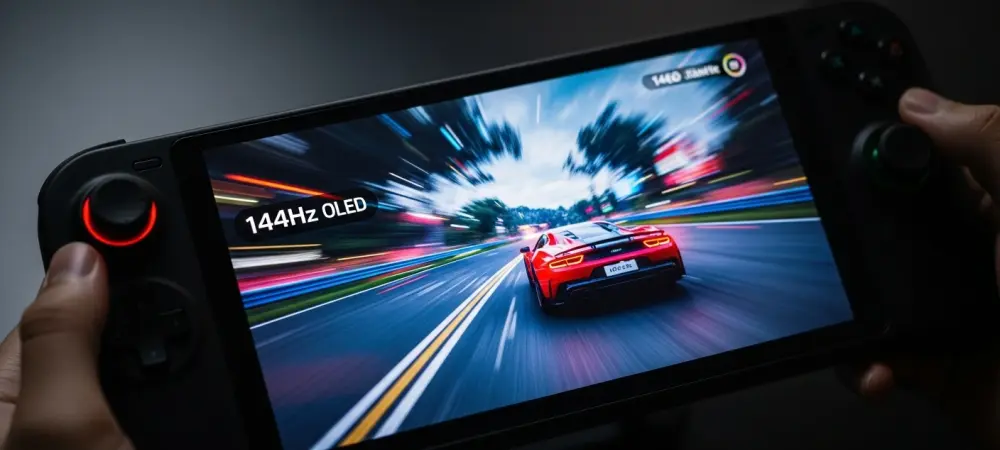
At its heart, the rumored Legion Go 2 is expected to merge Lenovo’s premium hardware design with Valve’s gaming-focused SteamOS. Speculation points toward the inclusion of the formidable AMD Ryzen Z2 Extreme chip, configurable with up to 32GB of RAM. This powerful combination would drive a high-quality 8.8-inch, 144Hz OLED display, promising vibrant colors and exceptionally smooth gameplay that would set it apart from many competitors.
While the internal processing power sees a significant software shift, other key hardware elements are expected to be retained. This includes the substantial 74Wh battery and the versatile dual USB4 ports, ensuring longevity and connectivity remain top-tier. However, the most significant unique selling point is not a piece of hardware but the software itself. The adoption of SteamOS is a calculated move designed to deliver a streamlined, intuitive experience at a projected 15 to 20 percent lower price point, transforming the device’s value proposition.
Projecting Performance and User Experience
The switch to SteamOS is anticipated to yield substantial improvements in real-world performance, most notably in battery life. Windows is a notoriously power-hungry operating system not originally designed for handhelds, whereas SteamOS is a lightweight, Linux-based environment optimized specifically for gaming. Its superior power management should allow the Legion Go 2 to extract more playtime from its 74Wh battery, a critical factor for any portable device.
Beyond longevity, the user experience stands to gain the most. Navigating Windows 11 with a controller can be a clunky and frustrating affair, but SteamOS is built around a controller-first interface that feels fluid and natural. Native features such as seamless suspend and resume functionality, allowing players to pause and instantly jump back into a game, offer a level of convenience that Windows struggles to replicate. This creates a more cohesive and enjoyable experience from boot-up to shutdown.
The Trade-Offs SteamOS vs. Windows
Adopting SteamOS introduces a compelling set of advantages, but it is not without its compromises. The primary strength of this rumored shift is a lower barrier to entry, thanks to the projected price reduction and the elimination of a Windows license fee. This move also promises a bloat-free gaming environment, focusing the device’s resources purely on performance and delivering the streamlined simplicity many gamers crave. Enhanced power efficiency is the third pillar of this upside, translating directly into longer, uninterrupted sessions.
In contrast, the main weakness lies in the loss of versatility. A Windows-based handheld is, for all intents and purposes, a full-fledged PC that can run nearly any application. A switch to SteamOS would mean sacrificing native support for non-Steam game launchers, such as the Epic Games Store or PC Game Pass. Furthermore, some popular online multiplayer games that rely on specific anti-cheat software may not be compatible, effectively limiting the available game library for users invested in multiple digital storefronts.
Summary and Final Assessment
The rumored Lenovo Legion Go 2 represents a significant and intelligent pivot in the handheld gaming space. By pairing its excellent, premium hardware with the more efficient and user-friendly SteamOS, Lenovo is poised to create a formidable competitor to the Steam Deck, targeting a higher-end market segment. This strategic alignment directly addresses the core complaints of cost and software clumsiness that hampered its predecessor.
If the projected price reduction materializes, this device could very well become the definitive premium handheld for dedicated PC gamers who prioritize performance and a seamless interface. The final assessment is that this is a highly promising direction for the Legion Go line. It demonstrates an understanding of the market’s desire for a powerful device that feels less like a compact PC and more like a dedicated gaming console.
Our Recommendation and Final Thoughts
Ultimately, the Legion Go 2 with SteamOS shaped up to be the ideal device for gamers who primarily operate within the Steam ecosystem. For those who were intrigued by the original’s hardware but deterred by its price tag and software complexity, this new model presents a compelling solution that prioritizes a pick-up-and-play experience. It offers a clear and focused purpose that its predecessor sometimes lacked. However, a word of caution is necessary for potential buyers heavily invested in other PC launchers or those who require the full functionality of a Windows environment for productivity or non-gaming tasks. The loss of versatility is a significant trade-off to consider. Interested consumers should keep a close watch for an official announcement, with speculation pointing toward CES 2026, as this could finally be the high-end, user-friendly handheld that many have been waiting for.