

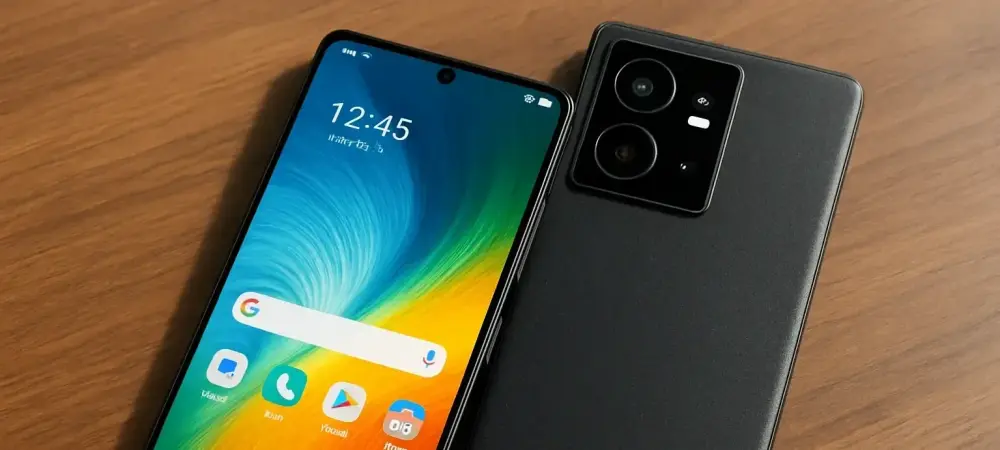
The relentless pursuit of a smartphone that marries flagship-level performance with multi-day battery life has often felt like an unattainable dream for the mid-range market, a gap that the iQOO Z11 Turbo now appears poised to fill with its audacious specifications.
Is the Z11 Turbo the New Mid-Range Champion
The iQOO Z11 Turbo enters the fiercely competitive smartphone arena not with a whisper, but with a roar. Its value proposition is built on a foundation of specs typically reserved for premium flagships, yet it carries a price tag aimed squarely at the mid-range segment. By packing a top-tier processor and an enormous battery into an aggressively priced package, the device poses a direct challenge to the established order, forcing a reevaluation of what consumers should expect from a non-premium device.
This strategic positioning makes the Z11 Turbo a disruptive force, particularly for performance-focused users. It is engineered for those who prioritize raw power and endurance, potentially making it the go-to choice for mobile gamers and heavy multitaskers. The central question is whether this laser-focused approach can capture the market, or if buyers will still prefer more balanced, all-around devices.
Unpacking the Specs What We Know So Far
At the heart of the Z11 Turbo lies Qualcomm’s advanced Snapdragon 8 Gen 5 chipset, a 3nm octa-core processor that promises exceptional speed and efficiency. This formidable power is complemented by what is perhaps the phone’s most remarkable feature: a colossal 7,600mAh battery, supported by 100W wired fast charging. Visuals are handled by a 6.59-inch 1.5K display, which should deliver crisp and fluid content, while security is managed by a modern ultrasonic fingerprint scanner.
The device’s premium aspirations are further reinforced by its build quality and imaging hardware. It features a sturdy metal frame and a glass back, available in four distinct colors: Canglang Floating Light, Halo Powder, Extreme Night Black, and Sky White. Its impressive IP68/IP69 ratings ensure superior protection against dust and water. On the camera front, it boasts a 200-megapixel primary sensor, though this is paired with a modest 8-megapixel secondary lens and a 32-megapixel front camera, suggesting a clear hierarchy in its imaging priorities.
Performance on Paper A Deep Dive into the Hardware
Based on its hardware, the Z11 Turbo is poised to be a performance monster. The Snapdragon 8 Gen 5 processor is expected to handle the most graphically intensive games and demanding applications with ease, offering a smooth, lag-free experience. When combined with generous memory options of up to 16GB of RAM and 1TB of storage, the device should be a multitasking powerhouse, capable of keeping numerous apps running simultaneously without slowdown.
Beyond pure processing power, the user experience is shaped by its other high-end components. The massive 7,600mAh battery is arguably the main event, theoretically offering multi-day endurance that few competitors can even approach. While the 200MP main camera holds immense potential for capturing incredibly detailed images, its real-world performance will hinge on software processing. The high-resolution display and durable, water-resistant design complete a package that promises a premium feel and reliable daily operation.
Anticipated Strengths and Potential Drawbacks
The iQOO Z11 Turbo’s list of strengths is both impressive and highly focused. Its most compelling advantage is the combination of a flagship-tier processor with an industry-leading battery capacity, a duo that is nearly unheard of at its price point. Adding to its appeal is the premium, IP68/IP69-rated construction, which provides a level of durability often sacrificed in the mid-range market. This trio of features makes it an exceptionally strong contender for users with specific priorities.
However, the device is not without its potential trade-offs. The decision to include such a large battery results in a weight of 202 grams, which may be too heavy for some users. The camera system also appears unbalanced, with the high-resolution main sensor potentially overshadowed by a lackluster 8MP secondary camera, limiting photographic versatility. A significant practical drawback is its initial China-only launch, which will complicate access for international buyers and may raise concerns about software and network compatibility.
The Verdict A Glimpse into a Potential Best Seller
The iQOO Z11 Turbo presents itself as a specialized device that excels in key areas rather than trying to be everything to everyone. Its specifications sheet reads like a wish list for performance enthusiasts, heavily prioritizing processing power and battery life. This clear focus sets it apart in a crowded marketplace, creating a distinct identity as a marathon runner in a world of sprinters. It is a smartphone built with an unapologetic vision for a specific user. Ultimately, the Z11 Turbo appears to be a powerhouse that offers tremendous value for the right consumer. For those who see their smartphone primarily as a gaming console, a workhorse for demanding apps, or simply a tool that should last for days on a single charge, this device is shaping up to be a top contender. It stands as a testament to how far the mid-range segment has evolved, blurring the lines between price and performance.
Who Should Be Excited for the iQOO Z11 Turbo
This smartphone is engineered for a very specific audience: the power user. Mobile gamers who demand high frame rates, content creators who edit on the go, and professionals who rely on intensive applications will find the Z11 Turbo’s hardware configuration particularly appealing. It is also the ideal device for anyone whose primary frustration with modern smartphones is their limited battery endurance, as its 7,600mAh cell promises to be a game-changer.
Before making a purchase decision, prospective buyers should weigh a few key considerations. The most immediate hurdle is its limited regional availability, as its initial launch is exclusive to China. Furthermore, while the on-paper specifications are outstanding, it is always wise to await comprehensive real-world reviews to confirm that the performance, battery, and camera quality meet these high expectations in day-to-day use.