

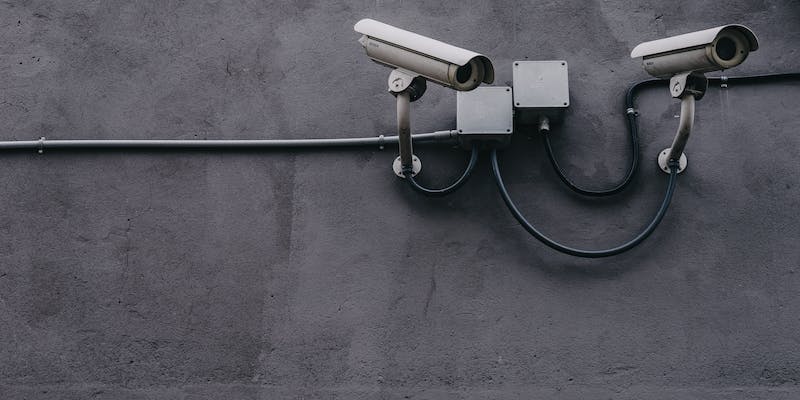
In a startling revelation, the Security Service of Ukraine (SSU) has uncovered evidence showing that Russian intelligence hacked online surveillance cameras in Kyiv. This sophisticated cyber operation allowed the Kremlin to remotely control residential cameras and gather valuable information for targeting critical infrastructure in Ukraine’s capital. The incident highlights yet another example of Russia’s insidious use of cyber warfare in coordination with conventional military tactics.
Russian Control Over Residential Cameras
Russian hackers gained remote control over two residential surveillance cameras in Kyiv. These compromised cameras became tools for collecting intelligence on Ukrainian air defense activities and critical infrastructure. The Kremlin’s ability to manipulate these devices demonstrates the extent of their cyber capabilities and their willingness to exploit any vulnerability to further their agendas.
Details about the First Hacked Camera
The first of the compromised webcams was situated on a residential building’s balcony, which locals commonly used for monitoring the surrounding area. Through cyber intrusions that exploited weak security measures, Russian intelligence gained control over the camera’s settings. They altered the viewing angle and connected the live stream to YouTube, providing a clandestine vantage point for monitoring potential targets.
Details about the Second Hacked Camera
The second targeted camera was installed in another residential building, primarily used by residents to monitor the adjacent car park. Unbeknownst to the residents, the camera had become an instrument of covert surveillance. Russian intelligence remotely accessed this camera, discreetly recording vital information about the surrounding area, including critical infrastructure elements.
The Purpose of the Camera Hacking
It is apparent that the hacked surveillance cameras were employed to collect data for the explicit purpose of preparing and adjusting strikes on Kyiv. By infiltrating these devices, Russia obtained invaluable situational awareness, enabling better planning and precision in their attacks. This brazen act underlines Russia’s determination to exploit any technological vulnerabilities to maximize the damage inflicted.
Measures Taken by the Security Service of Ukraine (SSU)
The SSU has responded swiftly to this cyber breach, urging Ukrainian citizens who own surveillance cameras to refrain from online broadcasting. Authorities have also called on the public to report any detected streaming activities, particularly on platforms like YouTube. In a proactive measure, the SSU has already blocked approximately 10,000 online cameras that pose potential threats to Ukraine’s defense operations since the onset of the Russian invasion.
Implications of Hacking Surveillance Cameras for Physical Attacks
The hacking of surveillance cameras to gather intelligence for physical attacks showcases Russia’s ability to seamlessly coordinate cyber and kinetic warfare. By exploiting weaknesses in cybersecurity systems and manipulating everyday devices, such as webcams, Russia demonstrates a convergence of offensive capabilities. This hybrid cyber-kinetic warfare strategy seeks to maximize the destruction caused by its military operations.
The recent revelation of Russian intelligence hacking Kyiv’s surveillance cameras highlights the increasing sophistication of cyber operations in modern warfare. By remotely controlling residential cameras and utilizing them to collect strategic data, Russia proves its dedication to achieving its military objectives with brutal efficiency. The Security Service of Ukraine (SSU) continues to take proactive measures to counter such cyber intrusions, but this incident reinforces the necessity for heightened vigilance and stronger cybersecurity measures to protect critical infrastructure in the face of emerging threats.