

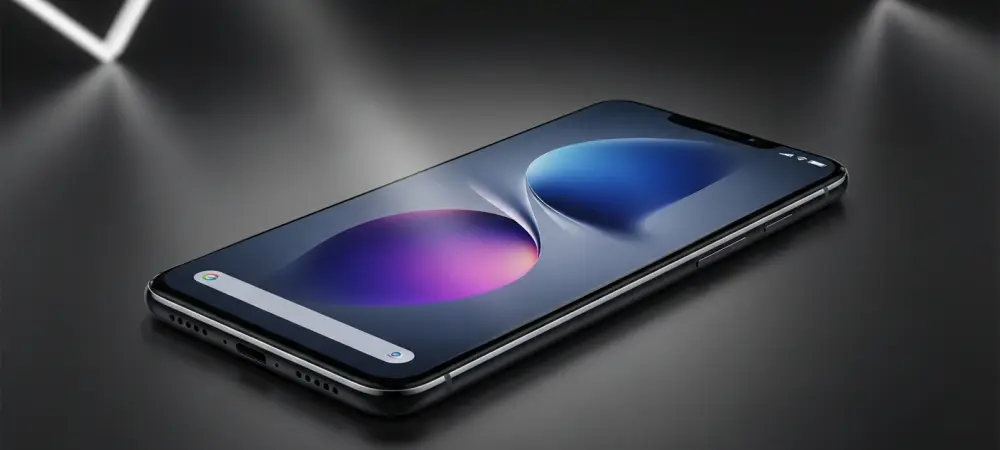
The relentless pursuit of flagship-level power without the exorbitant price tag has just culminated in a device designed to shatter endurance expectations and redefine the performance mid-range segment. This review explores the Redmi Turbo 5 Max, the first entry in a new series focused on delivering exceptional power and longevity at a price point accessible to a broader audience. It aims to provide a comprehensive analysis of the phone’s core features, performance capabilities, and its strategic position within a fiercely competitive market.
An Introduction to the New Turbo Contender
The Redmi Turbo 5 Max marks the debut of a “sub-flagship” line, strategically positioned to bridge the gap between the mass-market Redmi Note series and Xiaomi’s premium flagship offerings. This new series is built on a performance-first principle, prioritizing processing power and battery life to appeal to users who demand more from their devices without crossing into the highest price tiers. Its launch signals a targeted effort by Xiaomi to capture a growing segment of discerning consumers.
Deep Dive into Core Specifications
The Dimensity Powerhouse
At its heart, the device features a powerful MediaTek Dimensity 9 series chipset, a component engineered for raw processing power that directly challenges more expensive competitors. This focus ensures a fluid user experience, from daily navigation to intensive multitasking, delivering responsiveness previously uncommon at this price point.
This performance-oriented architecture makes the Turbo 5 Max a formidable gaming machine. The chipset is built to handle demanding titles with sustained high frame rates, aiming to provide a stutter-free experience that was once the exclusive domain of top-tier flagship phones.
Unprecedented Endurance
The device’s standout feature is its rumored 9,000 mAh battery, a capacity that promises to redefine user expectations for longevity. This massive power cell is designed for multi-day usage scenarios, allowing users to go longer between charges than ever before, which is a significant advantage for heavy users. Such a large battery fundamentally alters the user experience, reducing charge anxiety and making the device an ideal companion for extended travel or intensive media consumption. This focus on endurance is complemented by modern charging technology to manage the large capacity efficiently.
Design and Display
The physical design of the Turbo 5 Max reflects a balance between accommodating its massive battery and maintaining a reasonable form factor. The build likely involves trade-offs in weight and thickness, but the overall design language remains aligned with modern aesthetics, using quality materials to project a premium feel.
Its display technology is tailored for immersive gaming and media consumption. Featuring a large screen with a high refresh rate and sharp resolution, the panel is engineered to provide vibrant colors and smooth motion, making it a centerpiece of the phone’s user experience.
Camera Capabilities
The imaging system on the Redmi Turbo 5 Max is designed to be competent, though it is not the primary focus of this performance-driven device. The camera setup includes a capable primary sensor complemented by an ultra-wide lens, offering versatility for everyday photography.
While it may not compete with dedicated camera phones, the system is expected to perform well in various lighting conditions. Its place is to provide a solid, reliable imaging experience that supports the phone’s role as a powerful all-arounder rather than a specialist tool.
Evolving Trends The Rise of the Sub-Flagship
The creation of the “Turbo” series is a direct response to a growing market trend: consumer demand for high-performance devices without a flagship cost. Users increasingly seek the speed and responsiveness of premium phones for gaming and productivity but are unwilling to pay for features they may not need. Xiaomi’s strategy with this new line is to precisely target this influential and expanding market segment.
Real-World Applications and Target Audience
The Redmi Turbo 5 Max is ideally suited for mobile gamers, power users, and anyone who prioritizes battery longevity above all else. Its combination of a high-performance chipset and an enormous battery makes it perfect for long gaming sessions, content creation on the go, and continuous media streaming without needing a charger nearby. This makes it a unique tool for travelers and professionals who rely heavily on their mobile devices.
Market Challenges and Competitive Landscape
Despite its compelling features, the device faces significant challenges. Technically, managing the heat from a powerful chipset while balancing the weight and thickness of a large battery is a difficult engineering feat. In the market, it confronts intense competition from other brands that are also vying for dominance in the performance mid-range space, forcing Xiaomi to navigate a landscape filled with aggressive pricing and feature sets.
The Future of the Redmi Turbo Series
The launch of the Turbo 5 Max sets a bold precedent for the future of the series. This line is poised to influence the mid-range market by making extreme battery life and near-flagship performance more accessible. Future iterations could further refine the balance between power and design, potentially pushing competitors to adopt similar strategies and accelerating the trickle-down of premium features to more affordable price points.
Final Verdict and Summary
The Redmi Turbo 5 Max was a definitive statement in the performance mid-range category. Its primary strengths were its exceptional battery endurance and powerful chipset, which offered a value proposition that was hard to ignore. While it made compromises in areas like camera specialization and physical ergonomics, its aggressive sub-CNY 2,500 price point positioned it as a disruptive force, successfully carving out a unique identity for a new generation of power users.