

Dominic Jainy is a veteran IT professional whose work at the intersection of artificial intelligence and mobile hardware has made him a leading voice on device optimization. With a career spanning the evolution of machine learning and blockchain, he possesses a deep understanding of how software layers interact with silicon to push the boundaries of modern computing. His expertise is frequently sought after to decode the complex relationship between hardware manufacturers and the benchmark standards that define market success.
This discussion explores the controversial “Diablo” performance modes in modern gaming phones, the ethical implications of automated hardware profiles, and the technical risks of bypassing thermal limits. We examine the widening gap between laboratory scores and real-world stability, as well as the evolving methods used by independent labs to ensure transparency in a highly competitive industry.
Performance scores can vary by as much as 24% when a device identifies a benchmarking application versus a renamed version of the same test. How does this discrepancy impact the perceived value of high-end gaming hardware, and what specific metrics should enthusiasts prioritize to gauge real-world performance?
When a device like the RedMagic 11 Pro delivers a 24% higher score simply because it recognizes a specific app name, it creates a deceptive sense of value that can mislead even savvy consumers. This artificial inflation suggests a level of power that isn’t actually available during standard use, essentially selling a “lab-only” experience rather than daily utility. To cut through this noise, enthusiasts should look past peak burst scores and prioritize sustained performance metrics, such as stability percentages over a twenty-minute loop. Real-world value is found in how a device manages heat over time, as a phone that throttles after five minutes is far less valuable than one that maintains a steady, predictable frame rate.
Activating extreme performance modes often requires bypassing thermal design power recommendations, which can lead to system crashes or severe overheating. Could you detail the hardware risks involved in ignoring these thermal limits, and what steps can consumers take to monitor their device’s stability during intensive gaming sessions?
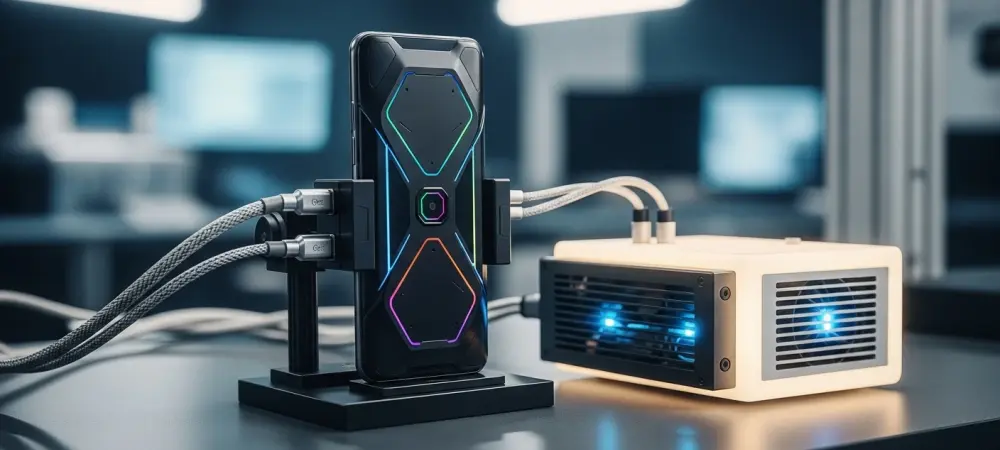
Ignoring thermal design power recommendations is a dangerous game because those limits exist to protect the physical integrity of the motherboard and battery. When “Diablo” mode or similar profiles push the hardware beyond these barriers, users often report frequent system crashes and temperatures that make the device uncomfortable to hold. Sustained exposure to such extreme heat can lead to accelerated battery degradation and, in worst-case scenarios, permanent damage to the internal soldering. I always advise consumers to utilize third-party monitoring overlays that show real-time temperature and wattage, and if the device feels like it’s burning, investing in an external magnetic cooling fan is a practical necessity to prevent a total hardware failure.
Industry standards often mandate that optional performance modes remain disabled by default unless a user manually intervenes. How do these automated shifts in hardware profiles affect the competitive landscape of the mobile market, and what specific settings should be standardized to ensure a level playing field for all manufacturers?
Automated shifts create an uneven playing field where brands that follow the rules appear inferior to those that use hidden “cheat” profiles to boost their rankings. When a phone automatically ramps up clocks just because it detects a 3DMark package, it circumvents the spirit of fair competition and forces ethical manufacturers to either lose rank or compromise their own standards. To fix this, we need a standardized “Benchmark Mode” toggle that is clearly visible in the settings menu and must be manually engaged by the user every single time. Transparency should be the default, requiring manufacturers to disclose exactly which thermal and power limits are being bypassed when these high-performance profiles are active.
Several major brands have faced delisting from hardware rankings after being caught utilizing hidden performance profiles during testing. In your experience, how has this pattern of behavior changed the way independent labs evaluate new smartphones, and what technical methods are now used to detect these hidden optimizations?
The history of brands like Huawei, Oppo, and MediaTek being caught in these practices has turned independent labs into digital detectives who no longer take stock software at face value. Organizations like UL Solutions now use “stealth” versions of their benchmarks—renamed APKs with different signatures—to see how the hardware behaves when it thinks it is running a generic task. By comparing the scores of a recognized benchmark against an unrecognized but identical workload, labs can pinpoint exactly when a manufacturer is triggering a hidden profile. This cat-and-mouse game has led to much more rigorous testing protocols that focus on the delta between “out-of-the-box” behavior and “detected” behavior to ensure the published rankings reflect honesty.
What is your forecast for the future of smartphone benchmarking?
I believe we are moving toward a “sustained-load” era where the single, peak burst score will become largely irrelevant to both reviewers and consumers. As mobile chips become more powerful, the bottleneck is no longer raw speed but the ability to dissipate heat, meaning future benchmarks will likely focus on thermal efficiency and “performance-per-watt” rather than just the highest number possible. We will see a shift toward more holistic testing environments that simulate long gaming sessions or heavy AI processing, making it much harder for manufacturers to hide behind temporary performance spikes. Ultimately, the industry will have to embrace full transparency regarding power profiles, or risk a total loss of consumer trust in the standardized metrics we rely on today.