

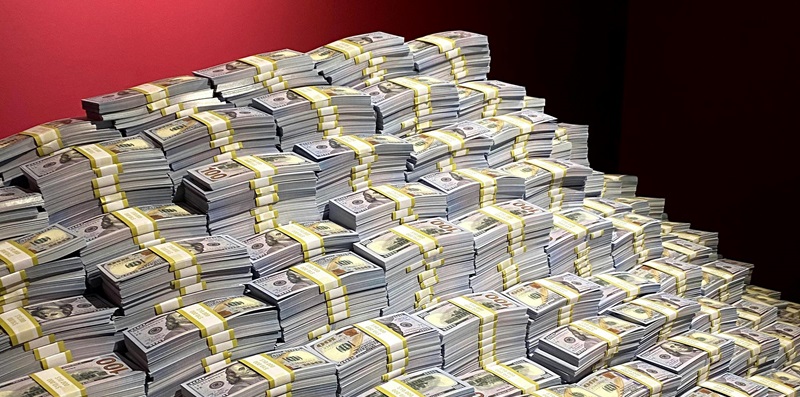
Recraft, an innovative AI graphic design generator catering to professionals, recently announced a successful $12 million Series A funding round. Led by Khosla Ventures, the funding will fuel the development of Recraft’s proprietary Foundation Model, a cutting-edge technology designed to generate consistent design elements that can be customized within a brand’s unique style controls.
Background and Foundation Model
The key differentiator for Recraft lies in its Foundation Model, which serves as the backbone of the platform’s design generation capabilities. By leveraging advanced artificial intelligence algorithms, Recraft enables users to effortlessly create and customize high-quality imagery. This model ensures consistency and allows designers to tweak various design elements while staying true to their brand’s distinctive style.
Unparalleled Image Capabilities
Recraft boasts the ability to produce both raster and vector images, providing users with unparalleled flexibility based on their specific requirements. Vector images, known for their infinite scalability without sacrificing quality, have traditionally been used in professional graphic design environments. Recraft’s inclusion of this vector functionality positions the platform as an accessible tool not only for beginners but also for experienced designers seeking seamless integration into their existing workflows.
Founding Expertise: The CatBoost Connection
The mastermind behind Recraft, Founder Anna Veronika Dorogush, brings a wealth of experience to the table. With a notable background in developing high-performance AI solutions, Dorogush previously created CatBoost, an exceptional open-source library for gradient boosting on decision trees. Her track record of building sophisticated algorithms and platforms makes her the perfect leader for Recraft’s ambitious vision.
Style Control and Customization
One of Recraft’s primary objectives is to empower users with complete style control. The platform allows designers to create and curate their unique design style, generating images with specific characteristics that perfectly align with their brand aesthetics. By putting customization into the hands of professionals, Recraft aims to streamline the design process and enable users to effortlessly translate their visions into reality.
Funding Allocation: Enhancing the Foundation Model
The $12 million infusion from the Series A round will primarily contribute to the ongoing development and enhancement of Recraft’s proprietary Foundation Model. By continuously refining and expanding the capabilities of this AI-driven engine, Recraft aims to stay at the forefront of the graphic design industry, offering designers an unparalleled level of control and flexibility in their workflows.
Ethical Training Process
Recraft acknowledges the importance of ethical considerations in AI development. To ensure the platform’s integrity and respect for artists’ copyrights, Recraft does not use uploaded images from artists to train its model. Instead, the platform includes generic styles as references to generate design elements that users can modify and adapt to their specific requirements. This approach ensures the protection of artists’ intellectual property while empowering designers with a wide range of design options.
Elevating the Quality of Graphic Design
Dorogush firmly believes that tools like Recraft will democratize graphic design, making it more accessible to professionals and enthusiasts alike. By eliminating traditional barriers and equipping designers with powerful AI-driven features, Recraft is poised to elevate the overall quality of imagery and creative outputs across various design disciplines. This democratization fosters a more inclusive and diverse creative landscape.
Industry Competitor Analysis
Nicolas Heymann, CEO of Kittl, a reputable design platform based in Berlin, views Recraft as a potential contender in the icon libraries market. As Recraft expands its capabilities and gains industry recognition, it may pose a threat to Kittl’s market share. The competition between these two innovative platforms promises to catalyze further advancements and improvements in the graphic design ecosystem.
Investor Interest and Future Prospects
Recraft’s successful Series A funding round highlights the growing investor interest in AI tools that cater to professionals and offer robust control and flexibility in design workflows. With the backing of Khosla Ventures and other prominent investors, Recraft is well-positioned to continue its journey of innovation and disruption in the graphic design landscape. As the demand for AI-driven design solutions surges, Recraft stands poised to shape the future of graphic design, propelling the industry forward with its cutting-edge technology.
Recraft’s recent $12 million Series A funding round is a testament to the immense potential and demand for AI tools in the graphic design industry. By building its own Foundation Model and offering unparalleled style control to users, Recraft aims to democratize graphic design and enhance the quality of creative outputs. The platform’s focus on ethical training methods and its commitment to protecting artists’ intellectual property further solidify its position as an industry leader. With the continued support of investors, Recraft is set to revolutionize the design landscape and empower professionals to unleash their creative potential.