

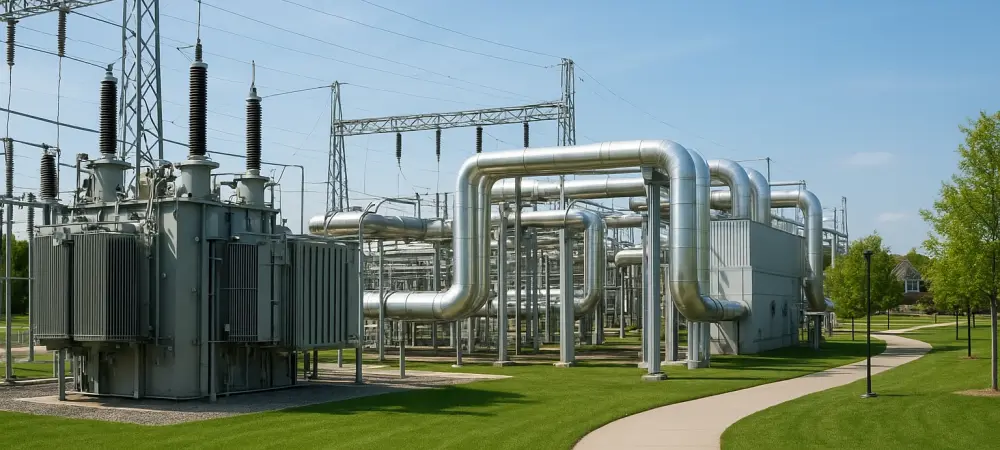
The hum of cooling fans and the glow of server racks were once the quiet heartbeat of the digital age, but today they have become the center of a roaring public rebellion across the American landscape. Recent data reveals that a staggering 75% of Americans now firmly reject the construction of data centers in their own local communities. This represents a seismic shift in public sentiment that has occurred in just the last twelve months, turning a previously overlooked infrastructure niche into a volatile national controversy. What was once a neutral debate over where to house the internet has morphed into an urgent crisis of consent for the technology sector. This shift is more than a minor fluctuation; it is a 33-point surge in opposition that leaves “strong support” for these projects at a negligible 4%. As the backbone of the digital economy grows, it has hit a psychological wall among citizens who no longer view these facilities as symbols of progress. This collapse of support threatens the expansion of artificial intelligence and cloud services, forcing a total reckoning for tech giants who once operated with relative obscurity in the industrial outskirts of suburbia.
The Sudden Collapse of Public Support for Digital Infrastructure
Digital infrastructure expansion has accelerated at a pace that far outstrips public tolerance for industrial encroachment in residential zones. While the “cloud” was once an abstract concept, its physical footprint is now a concrete reality that neighbors can see and hear. The sheer speed of this expansion has triggered a defensive reaction from the public, who now perceive these massive windowless structures as unwanted intruders. This shift signifies a fundamental change in the social contract between technology companies and the communities where they reside. Residents are increasingly questioning why their local landscapes must be transformed to support a global digital network. As the physical and digital worlds collide, the industry faces an unprecedented challenge in securing the permission needed to grow.
From Economic Boon to Community Liability
In the past, data centers were courted by municipal leaders as lucrative tax-base boosters that required few public services. However, the trade-offs involved in hosting these giants have become impossible for the average citizen to ignore as the demand for artificial intelligence grows. The focus has shifted from the modest revenue gains to the massive physical demands these buildings place on local environments.
This transition marks the end of an era where data center projects could be approved with minimal public scrutiny. Americans are increasingly valuing their local environment and resource security against the needs of global tech corporations. The perception has flipped; what was once seen as a high-tech gift is now viewed as an industrial burden that consumes space without providing significant local employment.
Analyzing the 33-Point Surge in Public Opposition
Data shows that six in 10 Americans now “strongly oppose” local developments. This sentiment has achieved a rare moment of political unanimity, bridging the deep partisan divide. Democrats, Republicans, and Independents are finding common ground in their shared “Not In My Backyard” stance, signaling that the resistance is a broad cultural movement rather than a niche interest.
Rural voters, living in the primary target zones for expansion, have emerged as the most vocal critics of all. With opposition levels in these areas sitting at 63 points “underwater,” the resistance is most fierce where the projects are most likely to be built. The primary drivers are clear: escalating concerns over massive water consumption and the localized strain on the energy grid that threatens to raise utility costs for residents.
The Regulatory Backlash and Expert Warnings
Legislative intervention has followed the outcry, with the governors of Texas and New York recently enacting moratoriums and mandatory resource audits. These executive actions represent a hardening of the regulatory environment as state leaders prioritize grid stability over tech expansion. At the local level, over 530 counties and municipalities have successfully implemented bans or restrictive zoning to halt new construction.
Industry experts warn that the loss of “social license to operate” is the greatest threat to the AI revolution. Viral media campaigns have successfully reframed data centers as “industrial resource drains” rather than necessary utility hubs. Without public cooperation, the physical foundations for the next generation of computing may never be built, potentially stalling technological advancement for the foreseeable future.
Strategies for Navigating the New Landscape of Public Sentiment
To regain trust, the industry pivoted toward total transparency in resource auditing and moved away from vague sustainability claims. Providing granular, real-time reporting on water and power usage helped demystify the environmental impact and allowed for more honest community dialogues. Developers also prioritized “brownfield” sites and existing industrial zones rather than greenfield locations to minimize friction with rural populations.
Success required a transition from corporate-level tax incentives to direct local investments that addressed specific municipal needs, such as grid upgrades or public water works. Proactive communication strategies involved stakeholders long before the first permit was filed. By prioritizing the local environment over global tech needs, developers found a path forward that respected the concerns of the citizens they served. These shifts proved that the era of quiet expansion ended, and the future of digital infrastructure depended on genuine partnership.