

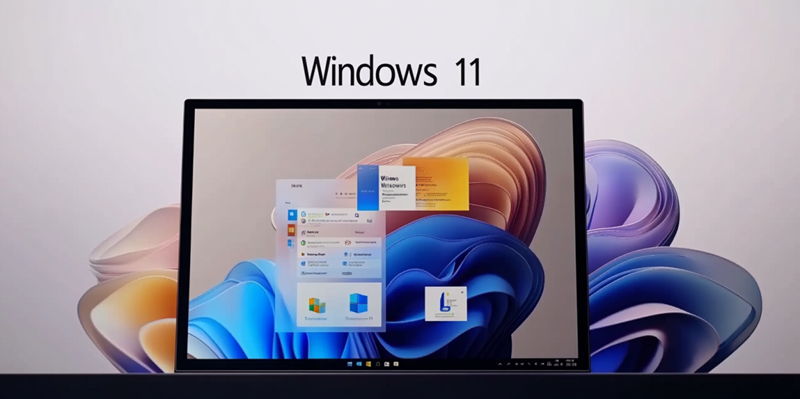
Introducing a new dimension to aesthetic and usability improvements, the third-party tool Rebound 11 emerges as a game-changer for Windows 11 users who seek an enhanced experience without compromising system integrity. Crafted by Ivirius, Rebound 11 addresses the gaps that users have encountered in Microsoft’s latest operating system, setting itself apart from similar tools by avoiding alterations to essential system files. This innovative software not only offers visual upgrades but also ensures that functionality remains intact, making it a safe and reliable choice for users.
The Power of the Rebound Hub
Enhanced Control Styles and Redesigned Control Panel
Rebound 11 operates through a platform called the Rebound Hub, serving as the central installation and management interface for the tool’s various features. In addition to updated control styles and a redesigned control panel, the Hub offers access to improved classic Win32 applications. Through this cohesive interface, users can effortlessly integrate these enhancements to create a more polished and user-friendly experience. The updated control styles, for instance, bring a more modern and uniform look to the operating system, addressing common complaints about Windows 11’s disjointed visuals.
The redesigned control panel is another standout feature that simplifies navigation and improves usability. By concentrating these changes within the Rebound Hub, the tool ensures that users experience a seamless and intuitive interface. As a result, transitioning between different applications or settings feels smoother and more cohesive, enhancing the overall user experience. This non-destructive approach to customization makes Rebound 11 a safe and effective way to refresh Windows 11’s appearance without risking system stability.
Improved Classic Win32 Applications
Additionally, the use of the WinUI 3 framework, which is designed for creating modern native Windows user interfaces, is highlighted in Rebound 11’s design. By leveraging WinUI 3, Rebound 11 ensures that the updated control styles and panels offer a consistent and sophisticated appearance across all applications. This approach not only modernizes the classic Win32 applications but also bridges the visual gap between traditional applications and newer UWP (Universal Windows Platform) applications, offering users a cohesive visual experience.
The ability to achieve a uniform look across different types of applications is a significant advantage for users who may otherwise feel a sense of visual inconsistency. With Rebound 11, classic Win32 applications receive a refreshed appearance that aligns with modern design principles, thereby enhancing usability without altering the core functionality of these programs. This balance between visual enhancement and operational stability is what sets Rebound 11 apart from other tweaking tools available in the market.
Lightweight Design and Safe Customization
Non-Intrusive Modifications
One of the most notable advantages of Rebound 11 is its lightweight design, which ensures that the tool does not bog down system resources while offering significant usability enhancements. Unlike tools that replace core system files, Rebound 11’s non-destructive customization promises to be a safer choice. Users can enjoy a refreshed interface without the risk of destabilizing their system, as the tool allows for easy reversion to the original Windows UI. This flexibility is particularly valuable for users who may be concerned about the potential impacts of extensive system tweaks.
The non-intrusive nature of Rebound 11’s modifications ensures that users can benefit from visual and functional improvements without compromising their system’s performance. This makes the tool an attractive option for a broad range of users, from casual to power users, who seek a more aesthetically pleasing and functional Windows experience. By delivering these enhancements in a lightweight and reversible manner, Rebound 11 stands out as a user-friendly solution in the realm of Windows customization tools.
Modern Design Principles and Seamless Integration
Rebound 11’s focus on modern design principles ensures that the tool not only enhances usability but also aligns with contemporary aesthetic standards. This commitment to modernity is evident in the tool’s seamless integration with existing Windows components. Users can expect a cohesive look and feel across different parts of the operating system, minimizing the visual disparity that can detract from the user experience. This harmonious integration is crucial for creating an intuitive and pleasing interface that aligns with user expectations of a modern OS.
Moreover, Rebound 11 prioritizes the safety and integrity of the operating system, ensuring that all modifications are non-destructive and easily reversible. This approach provides peace of mind for users who may be wary of extensive tweaks that could potentially disrupt their system’s stability. The balance between modern design and functionality ensures that Rebound 11 delivers tangible improvements without sacrificing the reliability that users depend on.
A Viable Solution for Windows 11 Users
Focus on Non-Intrusive Modifications
Rebound 11 stands out for its focus on non-intrusive modifications, ensuring that users can enjoy a modernized experience without risking the integrity of their operating system. This approach is crucial for maintaining the stability and performance of Windows 11 while offering significant aesthetic and functional improvements. The tool’s design principles emphasize the importance of user-friendly customization that aligns with contemporary visual standards, providing a polished and cohesive interface that enhances user satisfaction.
The emphasis on non-intrusive modifications is particularly important for users who may be hesitant to make extensive changes to their system. With Rebound 11, users can confidently enhance their operating system’s appearance and functionality without worrying about potential drawbacks. This focus on safe and effective customization makes Rebound 11 a compelling choice for anyone looking to improve their Windows 11 experience.
Tangible Improvements with Stability
Introducing a new dimension to aesthetic and usability improvements, Rebound 11 is a third-party tool for Windows 11 users who seek an enhanced experience without undermining system integrity. Developed by Ivirius, Rebound 11 effectively addresses the gaps that users have encountered with Microsoft’s latest operating system. Unlike similar tools, it refrains from making changes to essential system files, ensuring that your computer remains stable and secure.
Rebound 11 is designed to provide not just visual enhancements but also improvements in functionality. Users will appreciate the thoughtful upgrades that do not compromise the core operating system, making Rebound 11 a safe, reliable, and innovative addition to their software arsenal.
Furthermore, Rebound 11 is optimized for seamless integration, ensuring that the user experience is both smooth and efficient. This makes it an ideal choice for those looking to elevate their Windows 11 experience without the typical risks associated with third-party tools. Whether you’re looking to enhance visuals, boost performance, or simply enjoy a more refined Windows 11 environment, Rebound 11 delivers on all fronts.