

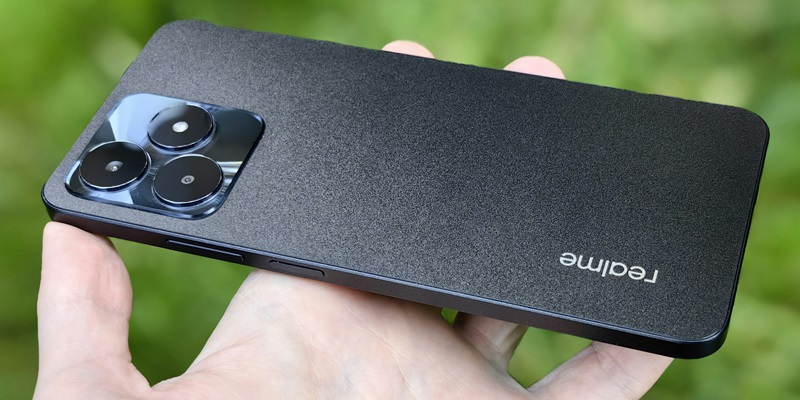
As the fall season approaches, the tech community is abuzz with anticipation for Realme’s next-generation flagship smartphone, the Realme GT7 Pro, which is expected to launch between late October and early November 2024. This upcoming addition from Realme aims to shake up the competitive premium Android smartphone market, with current heavyweights like the OnePlus 13, iQOO 13, and Xiaomi 15 Pro already setting high benchmarks. The Realme GT7 Pro promises to deliver groundbreaking features, particularly in the realm of fast charging, which could position it as a formidable contender against its well-established rivals.
Advanced Fast Charging and Long Battery Life
One of the most touted features of the Realme GT7 Pro is its fast-charging capability, which aims to significantly enhance user experience by reducing downtime. The upcoming handset is expected to retain the impressive 120W fast-charging feature of its predecessor, the GT6. This is anticipated to be coupled with a new silicon-carbon battery, boasting a typical capacity of around 6,000mAh. This combination is designed not just to offer swift charging times but also to improve overall battery longevity, addressing one of the key pain points for smartphone users today.
The Realme GT7 Pro has already been registered as RMX5010 with the Chinese safety regulator 3C, confirming its compatibility with a custom power brick identified as VCBBOACH. This power brick is crucial to achieving the optimum 120W fast-charging rate, ensuring that users can quickly recharge their devices and get back to their activities without much delay. The integration of silicon-carbon battery technology further enhances this capability by potentially offering faster charge cycles without degrading battery life over time.
Speculated Hardware and Design Enhancements
Beyond its impressive charging capabilities, the Realme GT7 Pro is rumored to feature several hardware and design improvements that could make it stand out in a crowded market. A well-known tipster, Digital Chat Station, has speculated that the RMX5010 model is indeed the GT7 Pro, pointing to likely upgrades in build quality, camera technology, and biometrics. One of the most exciting projections is the inclusion of a 3x periscope zoom camera, which could offer superior zoom capabilities compared to its predecessors and competitors, making it a favorite for photography enthusiasts.
In addition to camera improvements, the GT7 Pro is expected to come with an enhanced fingerprint sensor, providing faster and more accurate biometric authentication. The device might also feature better IP ratings, offering greater resistance to dust and water—an important consideration for users who value durability in their premium smartphones. Though these details are based on leaks and speculations, they paint a promising picture of a device engineered for high performance and user satisfaction.
Market Strategy and Competition
Realme’s strategic push with the GT7 Pro underscores its ambition to remain relevant in an increasingly competitive landscape of flagship smartphones. By juxtaposing the GT7 Pro against its formidable rivals like the OnePlus 13 and Xiaomi 15 Pro, Realme aims to leverage its advanced technological features to capture a significant share of the market. The emphasis on fast charging and battery longevity serves as a unique selling point, catering to consumers who prioritize these attributes in their smartphones.
Nonetheless, the competitive pressure remains high, with every significant player striving to innovate and set new benchmarks. Realme’s introduction of fast-charging and potential hardware enhancements aims to meet consumer expectations head-on while offering something that differentiates it from the rest. By doing so, Realme is not just aiming to capture market attention but also to establish the GT7 Pro as a strong contender that can hold its own among established premium smartphones.
Awaiting Official Confirmation
As we move into the fall season, the tech community is buzzing with excitement over Realme’s forthcoming flagship smartphone, the Realme GT7 Pro. Scheduled to hit the market between late October and early November 2024, this new release aims to shake up the already competitive premium Android smartphone landscape. Current heavyweights like the OnePlus 13, iQOO 13, and Xiaomi 15 Pro have already set some very high benchmarks. However, the Realme GT7 Pro promises to bring groundbreaking features, particularly in fast charging technology. This could potentially position it as a formidable contender against its well-established rivals. With the anticipation building, many tech enthusiasts are eager to see if Realme can deliver a device that not only competes but also surpasses its competitors in various aspects such as performance, camera quality, and user experience. The upcoming launch of the Realme GT7 Pro is shaping up to be a pivotal moment for the brand as it seeks to carve out a larger share of the high-end smartphone market.