

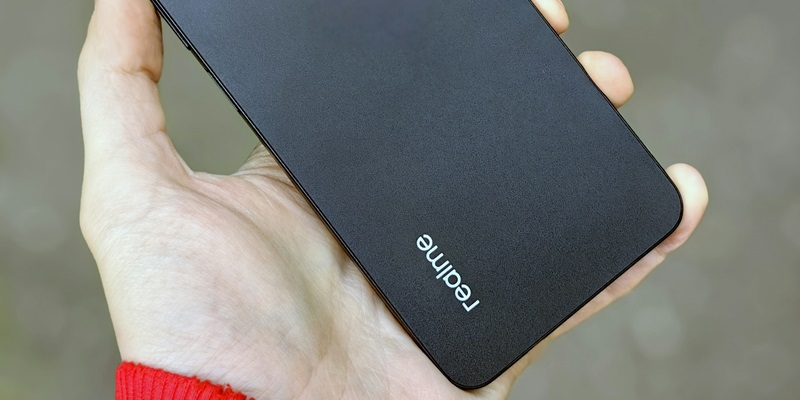
The smartphone arena has a thrilling new contender: the Realme GT Neo6. Unveiled to fanfare and anticipation, it is set to redefine mid-to-high-end mobility. In a market teeming with competitors vying for consumer attention, Realme makes a bold statement with the GT Neo6—a device that could very well serve as a benchmark for performance and charging capabilities in its segment. The handset’s debut is punctuated by the inclusion of the cutting-edge Snapdragon 8 Gen 3 processor, placing it squarely in the ring with top-tier performers.
A New Benchmark in Smartphone Performance
With the Snapdragon 8 Gen 3 processor at its core, the Realme GT Neo6 promises outstanding efficiency and speed. This high-caliber chipset is poised to handle heavy-duty tasks and high-end gaming without breaking a sweat, presenting itself as an attractive option for tech enthusiasts and power users alike. This performance prowess is further complemented by the phone’s generous storage options, with a stunning 1TB model on offer, catering to the ever-growing data needs of modern users who juggle life’s moments, media, and more on their smartphones.
Beyond its processor and storage, the Realme GT Neo6 has sparked conversations with its remarkable fast-charging capabilities. Sporting a 120W ultra-fast charging system, the device is set to race from zero to full battery in a blink, addressing the lifestyles of those who demand the least amount of downtime from their devices. Such a feature is becoming increasingly important as smartphones cement their role as indispensable tools for both work and leisure, making the Realme GT Neo6 a compelling addition to the market.
A Step Forward in Charging and Storage
The Realme GT Neo6 is causing a stir in the smartphone industry, presenting itself as a game-changer in the mid-to-high-end market space. Its introduction is marked by the impressive inclusion of the latest Snapdragon 8 Gen 3 processor, an addition that positions the Realme GT Neo6 alongside the market’s leading devices. Designed to set new standards in both performance and charging capabilities, this smartphone could potentially become a yardstick for its peers. With every manufacturer striving to capture the attention of savvy consumers, Realme’s latest offering stands out, signaling the brand’s commitment to delivering cutting-edge technology and feature-rich experiences to its user base. The GT Neo6 comes ready to meet the demands of enthusiasts who prioritize speed, power, and efficiency in their mobile experience.