

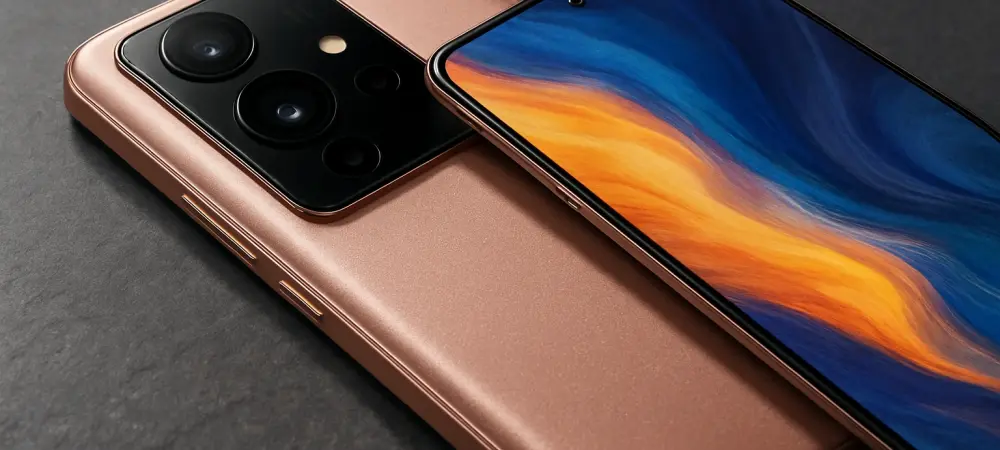
In a market as dynamic and fiercely competitive as India’s smartphone landscape, where innovation is the currency of relevance, the arrival of a new flagship device often signals a shift in consumer expectations and industry benchmarks. Enter the Realme GT 8 Pro, unveiled recently by the Chinese tech giant Realme, marking a bold stride into the premium segment with technology that pushes boundaries. This launch, accompanied by the exclusive Realme GT 8 Pro Dream Edition, isn’t just about a new phone—it’s about redefining what users can expect from high-end devices in terms of performance, photography, and design. With cutting-edge features like the Qualcomm Snapdragon 8 Elite Gen 5 chipset and a Ricoh-tuned camera system, this device aims to capture the attention of tech enthusiasts and casual buyers alike. As Realme stakes its claim in the flagship arena, the question arises: does this smartphone deliver the innovation needed to stand out in a crowded field?
Unveiling Power and Performance
The Realme GT 8 Pro emerges as a powerhouse, driven by the Qualcomm Snapdragon 8 Elite Gen 5 chipset, a 3nm processor that ranks among the most advanced in the industry today. This makes it only the second device in India to boast such cutting-edge silicon, positioning Realme as a serious contender in the performance race. Beyond raw speed, with a peak clock of 4.60GHz and an Adreno 840 GPU, the phone is built for demanding tasks like gaming and multitasking. A sprawling 7,000 sq mm vapour chamber cooling system ensures thermal efficiency, preventing overheating during intense sessions. Moreover, the pairing of up to 16GB LPDDR5X RAM and 512GB UFS 4.1 storage means lightning-fast responses and ample space for apps and media. This isn’t just a phone for everyday use; it’s a device engineered to handle the future of mobile computing, appealing to users who crave seamless, high-octane experiences without compromise.
Equally impressive is the display technology that complements this raw power. The Realme GT 8 Pro sports a 6.79-inch QHD+ BOE Q10 Flexible AMOLED screen with a resolution of 1,440×3,136 pixels and a refresh rate of up to 144Hz. This translates to buttery-smooth visuals, whether scrolling through social feeds or diving into action-packed games. With a peak brightness of 2,000 nits in High Brightness Mode and full coverage of the DCI-P3 color gamut, colors pop with vivid accuracy, even under harsh sunlight. Protected by Gorilla Glass 7i, durability isn’t an afterthought either. This display isn’t merely a window to content—it’s an immersive portal that elevates every interaction. For users in India, where smartphones double as entertainment hubs, this level of visual fidelity paired with top-tier performance could redefine daily engagement with technology.
Revolutionizing Mobile Photography
One of the standout aspects of the Realme GT 8 Pro is its camera system, meticulously tuned by Ricoh to deliver professional-grade imaging. The triple rear setup features a 50-megapixel Sony IMX906 primary sensor with optical image stabilization, ensuring sharp shots even in shaky conditions. Alongside it, a 50-megapixel ultrawide lens captures expansive scenes, while a staggering 200-megapixel telephoto camera offers up to 120x digital zoom, bringing distant subjects into stunning clarity. Add to this a 32-megapixel front camera for selfies, and the package feels comprehensive. Features like 4K video recording at 60fps, slow-motion, and Google Lens integration further enrich the experience. What’s truly innovative, however, is the swappable rear camera module, allowing customization of the camera island design—a small but delightful nod to personalization that sets this device apart in a market craving uniqueness.
Beyond the hardware, the camera system speaks to a broader trend of smartphones becoming primary tools for content creation in India. Whether it’s capturing vibrant festival scenes or crafting polished social media posts, the Realme GT 8 Pro empowers users to tell their stories with cinematic quality. The attention to detail, from panorama modes to dual-view video, suggests a device that understands the evolving needs of its audience. For photography enthusiasts, this isn’t just a phone; it’s a creative companion that rivals standalone cameras. Meanwhile, the integration of such advanced optics signals Realme’s ambition to cater to a demographic that values visual storytelling as much as raw performance. As mobile photography continues to shape how memories are preserved, this device positions itself at the forefront of that cultural shift, inviting users to see the world through a sharper, more vibrant lens.
Design, Durability, and Exclusivity
Turning to design, the Realme GT 8 Pro blends functionality with flair, offering a sleek build measuring 161.80×76.87×8.20mm and weighing up to 214g. It’s sturdy yet manageable, with IP66, IP68, and IP69 ratings for dust and water resistance, ensuring it withstands the rigors of daily life in diverse Indian climates. A robust 7,000mAh battery, supported by 120W SuperVOOC fast charging, promises endurance and quick top-ups, addressing a common pain point for power users. Running on Android 16-based Realme UI 7.0, the interface is intuitive, while connectivity options like 5G, dual-band Wi-Fi, Bluetooth 6.0, and NavIC navigation keep it future-ready. Available in Diary White and Urban Blue, the standard model caters to varied tastes, but it’s the Dream Edition, with its textured Aston Martin logo, that steals the show for those seeking exclusivity. This variant isn’t just a phone—it’s a statement of style in a market increasingly driven by individuality.
Pricing and availability further reflect Realme’s strategic approach to accessibility and prestige. The base model starts at Rs. 72,999 for 12GB RAM and 256GB storage, scaling to Rs. 78,999 for the 16GB/512GB variant, while the Dream Edition commands Rs. 79,999 for the same top-tier configuration. Sold through Flipkart and Realme’s online store during a limited window from November 25 to 29, the launch creates urgency. Introductory offers, including up to Rs. 5,000 bank discounts and EMI plans for the standard variant, sweeten the deal, though the Dream Edition opts for a 12-month EMI without discounts, underlining its premium appeal. This tiered strategy ensures the device reaches both performance seekers and status-conscious buyers. In a market as price-sensitive as India, balancing affordability with aspiration is no small feat, and Realme’s approach here suggests a keen understanding of its diverse consumer base.
Shaping the Future of Flagships
Reflecting on this launch, the Realme GT 8 Pro and its Dream Edition carved out a distinct space in India’s premium smartphone segment with a blend of innovation and style. The deployment of the Snapdragon 8 Elite Gen 5 chipset, paired with a transformative camera system, showcased a commitment to pushing technical boundaries. Meanwhile, thoughtful design choices and robust durability addressed practical consumer needs. For those considering an upgrade, exploring the device during its limited sales window proved wise, as early offers added significant value. Moving forward, Realme’s challenge lies in sustaining this momentum—perhaps by expanding customization options or further refining software experiences. As the market evolves, this launch served as a benchmark for what flagships can achieve, urging competitors to elevate their game. It’s a reminder that technology, when paired with vision, can redefine how users interact with their world.