
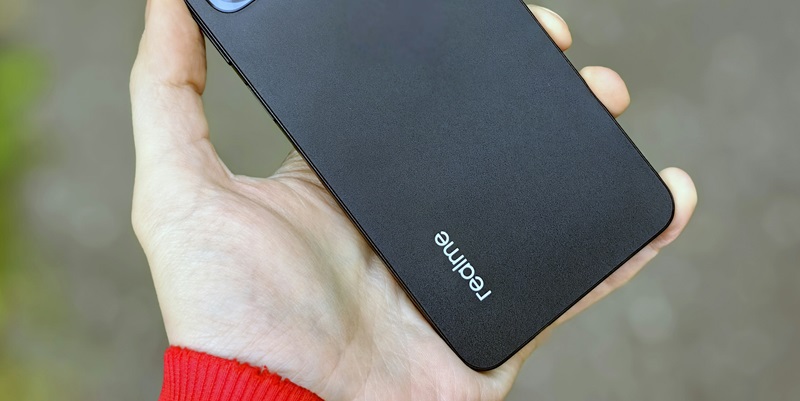
Realme GT 6 Receives Android 15-Based Realme UI 6.0 Beta Upgrade

Realme has launched an Early Access program for the GT 6 smartphone, making it the first device globally to receive the Android 15-based Realme UI 6.0 beta. This new software upgrade aims to elevate user experience significantly, introducing overhauled animations, improved UI features, and enhanced system performance. Known for its superior specifications, including the 8s Gen 3 processor and a 6,000-nit peak brightness display, the GT 6 initially showed mixed performance in early tests. However, the new beta promises a more refined experience with features inspired by OnePlus’ Trinity Engine tweaks aimed at improving stability and performance.

The Realme UI 6.0 Beta 1 introduces a host of new features. One of the most notable is the Dynamic Island-style feature equipped with real-time Live Alerts, offering a more interactive user experience. This update also brings enhanced customization options for the lock screen, always-on display, and home screen, allowing users to tailor their device interface to their preferences. Despite these advancements, Realme has cautioned early adopters about potential bugs and the risk of data loss, emphasizing the inherent risks associated with beta software. The GT 6, priced at approximately $462 on Amazon.in, continues to be an accessible choice for those willing to embrace this latest software iteration.

Realme’s announcement of this beta program underscores its continuing effort to push innovation and optimize user experience through consistent software improvement. While the introduction of Realme UI 6.0 Beta 1 brings a plethora of new features and improvements, users are advised to back up their data regularly and proceed with caution due to the potential for instability that often accompanies beta releases. Realme’s focus remains on balancing cutting-edge technology with practical usability, aiming to enhance the overall functionality of its devices while encouraging user feedback for further refinements. The GT 6 with the new UI is poised to offer a glimpse into the future of Realme’s software capabilities and user interface design.

Explore more

Omantel vs. Ooredoo: A Comparative Analysis

The race for digital supremacy in Oman has intensified dramatically, pushing the nation’s leading mobile operators into a head-to-head battle for network excellence that reshapes the user experience. This competitive landscape, featuring major players Omantel, Ooredoo, and the emergent Vodafone, is at the forefront of providing essential mobile connectivity and driving technological progress across the Sultanate. The dynamic environment is

Can Robots Revolutionize Cell Therapy Manufacturing?

Breakthrough medical treatments capable of reversing once-incurable diseases are no longer science fiction, yet for most patients, they might as well be. Cell and gene therapies represent a monumental leap in medicine, offering personalized cures by re-engineering a patient’s own cells. However, their revolutionary potential is severely constrained by a manufacturing process that is both astronomically expensive and intensely complex.

RPA Market to Soar Past $28B, Fueled by AI and Cloud

An Automation Revolution on the Horizon The Robotic Process Automation (RPA) market is poised for explosive growth, transforming from a USD 8.12 billion sector in 2026 to a projected USD 28.6 billion powerhouse by 2031. This meteoric rise, underpinned by a compound annual growth rate (CAGR) of 28.66%, signals a fundamental shift in how businesses approach operational efficiency and digital

du Pay Transforms Everyday Banking in the UAE

The once-familiar rhythm of queuing at a bank or remittance center is quickly fading into a relic of the past for many UAE residents, replaced by the immediate, silent tap of a smartphone screen that sends funds across continents in mere moments. This shift is not just about convenience; it signifies a fundamental rewiring of personal finance, where accessibility and

European Banks Unite to Modernize Digital Payments

The very architecture of European finance is being redrawn as a powerhouse consortium of the continent’s largest banks moves decisively to launch a unified digital currency for wholesale markets. This strategic pivot marks a fundamental shift from a defensive reaction against technological disruption to a forward-thinking initiative designed to shape the future of digital money. The core of this transformation