

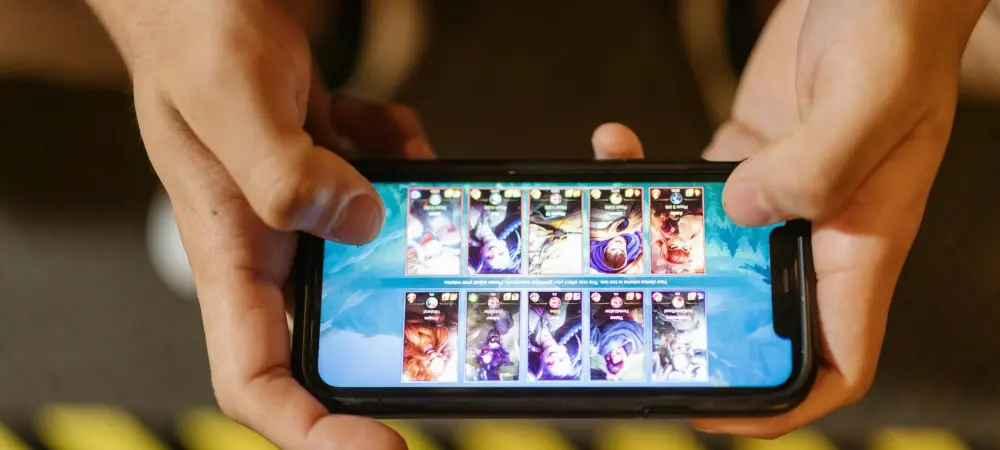
Gaming enthusiasts have a compelling reason to be excited with Razer’s announcement of the official launch of its PC Remote Play platform. This innovative platform, which debuted at the Consumer Electronics Show (CES) earlier this year in beta, provides avid gamers the ability to stream their favorite PC games to mobile devices including smartphones, tablets, and Windows-based handhelds. The platform harnesses the full frame rate and resolution capabilities of these devices, ensuring high-fidelity visuals without suffering from issues like letterboxing or pillarboxing.
1. Key Features of Razer PC Remote Play
Razer’s new PC Remote Play boasts several impressive features aimed at enhancing the gaming experience for users. The platform features a redesigned interface within the Razer Cortex PC, a launcher that contains tools for optimizing PC performance during gameplay. Built on the open-source Moonlight game streaming client, which leverages Nvidia’s GameStream protocol, the platform allows users to play and stream games on any supported device regardless of location. This broad compatibility means that gamers can enjoy their games from libraries such as Steam, Epic Games, and Xbox PC Game Pass.
Additionally, the platform offers support for both Windows 10 and Windows 11 PCs, with streaming capabilities extended to devices running iOS 18 or later and Android 14 or newer firmware. To successfully set up the platform, users need to follow these steps:
- Install Razer Nexus and Razer PC Remote Play on the mobile device.
- Enable Remote Play within the Razer Cortex program on the primary PC.
- Utilize a Razer ID to seamlessly pair both the phone and PC.
- Connect a compatible controller, such as the Razer Kishi or Kishi Ultra, or any other iOS or Android controller.
- Begin streaming the PC game library directly to the mobile device. One of the standout features of the Razer PC Remote Play is its extensive controller support. Besides touch-based controls, it accommodates a range of controllers, including the Razer Kishi, supporting both Android and iOS devices. Additionally, the platform is fully compatible with keyboard, mouse, and trackpad inputs when streaming games to an iPad. By pairing the Kishi Ultra controller, gamers are treated to realistic haptic feedback for in-game actions, particularly enhancing the immersive experience during intense gameplay scenarios.
2. Optimized Performance for Mobile Streaming
Razer’s PC Remote Play platform is meticulously optimized to take full advantage of the display features of the streamed device. The system automatically adjusts gameplay performance to align with the maximum resolution and refresh rate of the device, negating the need to adhere to fixed aspect ratios. This optimization eliminates common issues such as letterboxing and pillarboxing, enabling an uninterrupted, immersive gaming experience.
To improve the overall quality and reduce latency, the platform supports the AV1 codec, which ensures smoother streaming with minimal lag. This performance enhancement is crucial for providing a seamless gaming experience, especially for graphically intensive titles. The smooth transitions and responsiveness within the game are preserved, allowing players to remain engaged without the distraction of technical hindrances. The deployment of Razer’s PC Remote Play signifies a major leap forward in bridging the gap between high-end PC gaming and mobile convenience. The platform’s ability to mirror the immersive qualities and high-performance standards of PC gaming on mobile devices represents a significant advancement for gamers who value portability without compromising on quality.
Future updates and potential enhancements from Razer may further refine the experience, incorporating improvements based on user feedback and evolving technological capabilities. This anticipatory development sets a promising trajectory for the gaming community, ensuring that high-quality gaming experiences can be enjoyed across a variety of devices with minimal effort.
Conclusion: A New Era for Mobile Game Streaming
Gaming enthusiasts have something big to celebrate with Razer’s latest announcement: the official release of its PC Remote Play platform. This cutting-edge platform initially made waves at the Consumer Electronics Show (CES) earlier this year while in its beta phase. Now officially launched, it allows avid gamers to stream their beloved PC games straight to mobile devices, such as smartphones, tablets, and Windows-based handhelds. What sets Razer’s platform apart is its ability to leverage the full frame rate and resolution capabilities of these devices. This ensures that gamers experience high-fidelity visuals, maintaining the immersive quality of their favorite games without the frustration of letterboxing or pillarboxing. These issues, often cropping up due to aspect ratio discrepancies, won’t hamper the gaming experience with Razer’s platform. As the gaming landscape continues to evolve, Razer’s innovation highlights its commitment to staying at the forefront of technology. Gamers can now enjoy their rich, visually-stunning PC games wherever they go, without sacrificing quality or performance.