

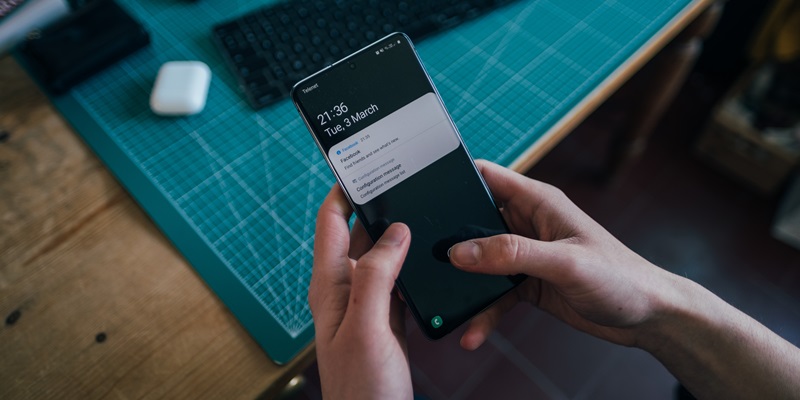
Recent leaks about the highly anticipated Galaxy S11 Plus have sparked excitement among smartphone enthusiasts. These leaks hint at a range of innovative features that could set the device apart from its competition. In this article, we will delve into the details of these leaks and explore the potential game-changing impact of the Galaxy S11 Plus.
Battery Capacity Revolution
One of the most exciting rumors surrounding the Galaxy S11 Plus is its impressive battery capacity. Leaks suggest that this flagship smartphone will pack a massive battery, offering users a revolutionary level of usage. This could potentially transform the way we use our smartphones, allowing for extended periods of usage without the need for frequent recharging.
Moreover, the Galaxy S11 Plus is expected to be optimized to maximize battery usage. By incorporating advanced power management techniques and ensuring minimal power consumption, this device could introduce a sustainable and eco-friendly approach to smartphone usage. This optimization may not only enhance the user experience but also reduce environmental impact.
Upgraded Front-Facing Camera
The leaks also indicate that the Galaxy S11 Plus will feature an upgraded front-facing camera with enhanced capabilities. This upgrade is likely to bring significant improvements in terms of image quality and overall user experience. The revamped front camera is expected to deliver sharper and more detailed selfies, making it a favorite among social media-savvy users.
Improved Image Stabilization Technology
Photography enthusiasts will be thrilled to learn that the Galaxy S11 Plus may incorporate advanced image stabilization technology. This development could revolutionize mobile photography, as it would significantly reduce blurriness and improve image clarity, even in challenging shooting conditions. Whether capturing photos or recording videos, the improved stabilization could ensure stunning visual results.
Larger and Sharper Display
Insiders have hinted that the Galaxy S11 Plus will boast a larger and sharper display compared to its predecessor. This upgrade would mean a more immersive visual experience for users, making activities like watching movies, gaming, and browsing more enjoyable than ever before. The increased display size would also push the device closer to the phablet category, catering to those who prefer larger screens.
120Hz Refresh Rate
What truly sets the Galaxy S11 Plus apart is the rumored 120Hz refresh rate. This improved refresh rate would result in a smoother and more fluid display, making interactions with the device feel incredibly responsive. Whether scrolling through social media feeds or navigating the interface, users can expect a noticeably enhanced visual experience.
Bezel-Less Display Design
Among the key design changes rumored for the Galaxy S11 Plus is a bezel-less display. This design alteration would allow for a more immersive and seamless screen-to-body ratio, further enhancing the device’s visual appeal. By reducing bezels, the Galaxy S11 Plus may provide a modern and sleek look that sets it apart from its competitors.
While leaks and rumors can be speculative, the potential features of the Galaxy S11 Plus are undeniably exciting. From its impressive battery capacity and sustainable usage optimization to its upgraded front-facing camera and improved image stabilization technology, this flagship smartphone holds the promise of transforming the way we experience our devices. If these leaks turn out to be true, the Galaxy S11 Plus could undoubtedly be a game-changer, setting new standards in smartphone design and functionality. As we eagerly await its official release, the anticipation continues to grow for Samsung enthusiasts and smartphone lovers alike.