

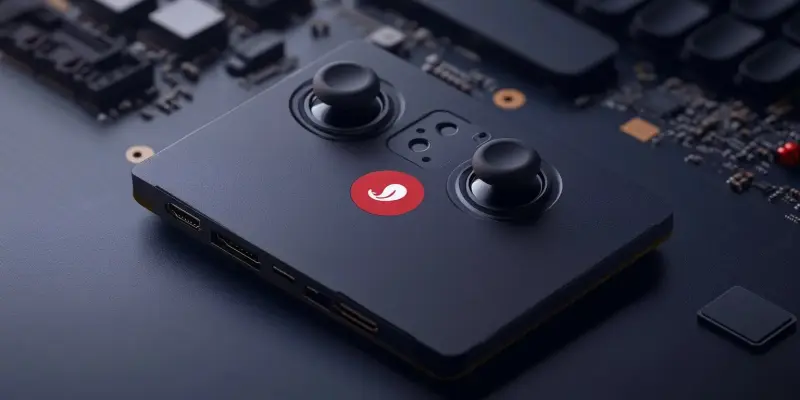
As the competitive landscape of gaming technology continues to evolve, Qualcomm has announced a bold entry into the Android gaming handheld market with the launch of its new Snapdragon G-Series lineup. Over the years, AMD has been synonymous with gaming excellence, mainly focusing on dominating this sector. However, Qualcomm aims to shake things up by introducing three new SoCs designed to cater to a wide range of gamers. The new Snapdragon G3 Gen 3, G2 Gen 2, and G1 Gen 2 target different performance levels and price segments, intending to compete head-on with AMD’s well-established market position. These SoCs incorporate advanced features and superior performance metrics to draw the attention of both enthusiastic and budget-conscious gamers.
The High-End Performance Promise
Snapdragon G3 Gen 3: Redefining High-End Gaming
For those who demand cutting-edge performance and refuse to compromise on their gaming experience, Qualcomm has positioned the Snapdragon G3 Gen 3 SoC as their top-tier offering. This high-performance chip promises a substantial leap in capabilities, boasting 30% faster CPU performance and 28% enhanced graphics prowess compared to its predecessor. With eight powerful Kryo cores, comprising one prime core, five performance cores, and two efficiency cores, the G3 Gen 3 can seamlessly handle the most demanding games on the market. Moreover, the addition of the Adreno A32 GPU ensures that gamers experience smooth, lag-free visuals, making it a compelling choice for developers who aim to push the graphical boundaries of their games.
In addition to its raw power, the Snapdragon G3 Gen 3 supports a suite of advanced features that cater to the high-end market. The inclusion of Wi-Fi 7 support ensures that gamers can experience fast, low-latency connections, which are crucial for online multiplayer games. The capability to handle QHD+ 144Hz displays further demonstrates Qualcomm’s commitment to providing top-tier gaming experiences by guaranteeing crisp and fluid visuals without compromise. This represents a direct challenge to AMD’s stronghold in the high-performance gaming market, positioning Qualcomm as a formidable competitor keen to innovate and elevate the standards for gamers and manufacturers alike.
Mainstream and Budget-Friendly Options
While the G3 Gen 3 focuses on high-end gaming, Qualcomm has not neglected the mainstream and budget-oriented segments of the market. The Snapdragon G2 Gen 2 is aimed at mainstream handheld devices, offering a balanced performance with a focus on efficiency.
Balancing Efficiency and Performance
Snapdragon G2 Gen 2: Power and Efficiency Wrapped in One
Offering a core configuration similar to the G3 Gen 3 but with added efficiency, the Snapdragon G2 Gen 2 manages a fine balance between power and energy consumption. Designed to cater to the needs of mainstream handheld devices, this middle-tier SoC is poised to elevate the performance standards in this segment. Qualcomm claims the G2 Gen 2 can achieve up to 2.3 times the CPU performance and an impressive 3.8 times GPU performance boost compared to its predecessor. This significant jump makes it incredibly suitable for devices aimed at gamers who seek high performance without the premium pricing of high-end devices.
One of the highlights of the Snapdragon G2 Gen 2 is its emphasis on better power usage, thanks to its efficient core configuration. It features more efficiency cores than the G3, specifically designed to handle everyday gaming tasks and less intensive operations effectively. This makes it an excellent option for gamers who prefer extended gaming sessions without frequent battery recharges. Additionally, integration with advanced graphics capabilities ensures that the visuals remain sharp and compelling, allowing for an immersive experience even in budget-friendly handheld products.
Snapdragon G1 Gen 2: Affordable Yet Effective
For those seeking a more budget-oriented option, the Snapdragon G1 Gen 2 provides an enticing proposition. This entry-level SoC focuses on cloud gaming performance, which has become increasingly popular as more gamers turn to streaming services for their entertainment. The G1 Gen 2 boasts a combination of 2 performance cores and 6 efficiency cores, optimized to deliver a balanced and reliable gaming experience without breaking the bank.
Despite being the most affordable option in the G-series lineup, the G1 Gen 2 doesn’t skimp on essential features. Designed with cloud gaming in mind, it ensures a smooth and responsive experience by maintaining consistent performance while efficiently managing power consumption. The chip’s architecture is engineered to handle the varied demands of cloud gaming, providing a competitive edge even in resource-constrained environments. This focus on affordability and reliability makes the G1 Gen 2 an appealing choice for gamers who prioritize cost-effective solutions while still wanting to enjoy the latest gaming technologies.
Anticipation and Market Impact
Expansion into New Market Segments
Qualcomm’s strategic move to introduce the G-series SoCs signifies its ongoing expansion into new market terrains. Having garnered moderate success in the laptop industry, the company is now turning its attention to a market segment historically dominated by AMD. This new venture is expected to have a notable impact on the handheld gaming market, with devices from manufacturers like AYANEO and OneXPlayer already integrating these advanced Qualcomm SoCs. Such high-profile partnerships underscore the potential these chips have to disrupt the existing market balance and offer viable alternatives to AMD’s offerings.
Industry analysts and gaming enthusiasts alike are closely watching this development. Qualcomm’s ability to offer competitive performance while maintaining attractive pricing could shift market dynamics significantly. The initial launch of these new handheld devices loaded with Qualcomm’s G-series chips will be the true test of their effectiveness. Enthusiastic early adopters and the broader gaming community will be vital in determining the success of this strategic shift by Qualcomm, and the response from AMD and other competitors will likely be shaped by the reception of these new products.
The Road Ahead
As the competitive landscape of gaming technology keeps advancing, Qualcomm has made a significant move by entering the Android gaming handheld market with its new Snapdragon G-Series lineup. AMD has long been a leader in the gaming sector, focused primarily on maintaining its dominance. However, Qualcomm is set to disrupt this space by introducing three advanced SoCs tailored for varied segments of gamers. The lineup includes the Snapdragon G3 Gen 3, G2 Gen 2, and G1 Gen 2, each aiming at different performance tiers and price points. The goal is to directly compete with AMD’s strong market presence. These new SoCs boast cutting-edge features and robust performance metrics designed to capture the interest of both hardcore and budget-conscious gamers alike. By offering a range tailored to diverse gaming needs, Qualcomm hopes to carve out its own niche and challenge AMD’s established foothold. This move could greatly impact the gaming technology market and offer consumers more choices.