

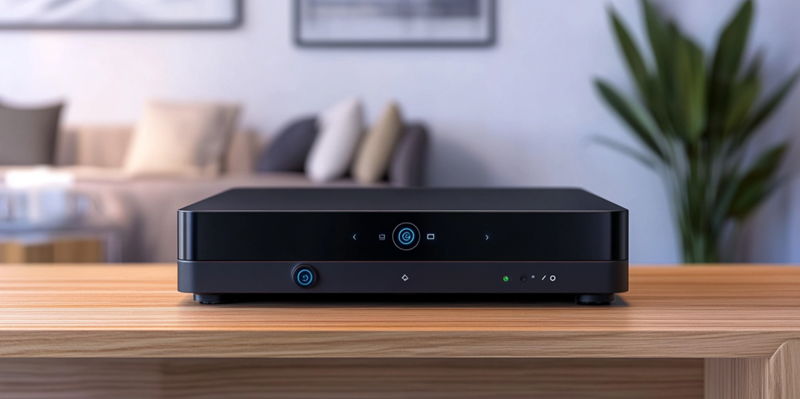
QNAP Systems, Inc., a leading provider of network-attached storage (NAS) and networking solutions, has announced the release of a critical security update for its QuRouter devices. This update addresses a zero-day vulnerability that was discovered during the Pwn2Own 2024 competition. The newly released firmware promptly patches this flaw, which could have potentially allowed unauthorized access to the affected devices.
The Viettel Cyber Security team identified the vulnerability during the Pwn2Own hacking contest, which underscores the significance of such events in uncovering and resolving potential security threats. QNAP’s swift response not only highlights the company’s dedication to maintaining the security and integrity of its products but also reassures users of their commitment to protecting their networks and data.
Importance of Updating QuRouter Devices
The identified zero-day flaw, officially designated as CVE-2024-50389, affects QuRouter version 2.4.x. The fix for this flaw has been implemented in version 2.4.5.032 and subsequent versions. Given the critical nature of this vulnerability, QNAP strongly advises all QuRouter users to update their devices immediately.
To update their QuRouter devices, users should follow these instructions:
- Log in to the QuRouter interface
- Go to the Firmware section
- Click “Update now”
- Select the “Latest” version
- Click “Apply” and confirm the update
The update process will automatically download and install the latest firmware, thereby protecting the device against the discovered vulnerability. For users who prefer manual updates or have limited internet connectivity on their QuRouter devices, QNAP has made the latest firmware available for download from their Download Center. Users can perform a manual update by going to Firmware > Manual Update in the QuRouter interface.
Ensuring Device Security and Performance
Keeping devices updated is crucial for benefiting from vulnerability fixes, new features, and performance improvements. QNAP highlights the necessity of regular firmware updates to ensure the security and functionality of their devices.
The keen identification and swift mitigation of the zero-day flaw underline the importance of security researchers and events like Pwn2Own in spotting and resolving potential vulnerabilities before malicious actors can exploit them. QNAP’s quick response demonstrates its commitment to protecting users and maintaining customer trust.
Given the continually evolving cybersecurity landscape, manufacturers and users must remain vigilant and proactive in addressing security issues. QNAP’s timely patch release serves as a strong reminder of the ongoing need for regular software updates and maintaining a solid security posture in today’s interconnected digital world.
Users should check their QuRouter firmware version and promptly update to the latest version to protect their devices from security risks. Staying current with the latest firmware updates greatly enhances the security and reliability of networks and data, safeguarding them against emerging threats and vulnerabilities.