

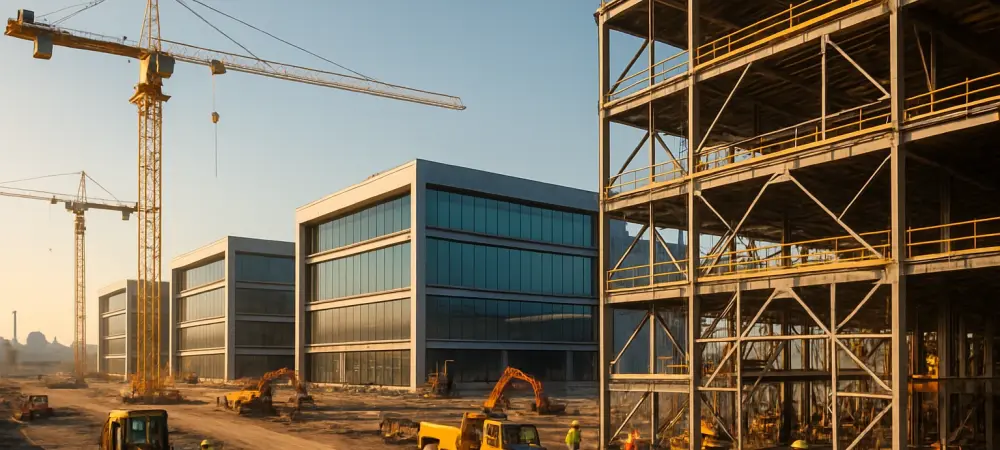
In a world increasingly driven by digital transformation, the demand for data centers has skyrocketed, with cities across the globe racing to accommodate the infrastructure needed to power everything from cloud computing to artificial intelligence. Amid this tech boom, a significant milestone has been reached in San Jose, California, a hub often synonymous with innovation. The San Jose City Council recently gave a unanimous thumbs-up to an ambitious proposal by Prologis, a heavyweight in industrial real estate, to develop a sprawling data center campus on a 159-acre city-owned site. This decision not only marks a major win for Prologis but also underscores the city’s strategic push to repurpose underutilized land for cutting-edge technology. Nestled near the San José-Santa Clara Regional Wastewater Facility, the location represents a thoughtful blend of economic development and environmental consideration, setting the stage for a project that could redefine the region’s tech landscape.
A Strategic Leap into Tech Infrastructure
The approval of this project signals more than just another construction endeavor; it reflects a broader shift in how industrial real estate giants like Prologis are pivoting to meet the needs of a data-hungry world. The planned campus, located on Zanker Road near Highway 237, will span an impressive 1.684 million square feet, with a capacity to deliver 396 megawatts of power. This includes four two-story data center buildings, each capable of supporting up to 99 megawatts across over 421,000 square feet, alongside additional manufacturing space spread across four more structures. Powering this behemoth will initially fall to PG&E, which has committed to providing 250 megawatts through a dual feed connection from a nearby substation. What stands out here is the sheer scale and foresight embedded in the design, as it anticipates the exponential growth in data demands and positions San Jose as a critical node in the national tech infrastructure network.
Moreover, the selection of Prologis over other contenders in a competitive bidding process speaks volumes about the alignment of their vision with municipal goals. Competing proposals offered everything from flexible business park spaces to warehouse-heavy developments, but city staff saw Prologis’s focus on high-tech infrastructure as the most forward-thinking. This wasn’t just about filling empty land; it was about crafting a legacy of innovation near a sensitive wastewater facility while balancing economic benefits. The company’s plan to integrate five on-site substations further demonstrates a commitment to operational efficiency, ensuring the campus can scale up as needs evolve. This project isn’t merely a local endeavor—it’s a blueprint for how cities and corporations can collaborate to address the pressing needs of a digital age, turning buffer lands into bustling hubs of technology.
Prologis’s Ambitious Data Center Expansion
Diving deeper into Prologis’s strategy reveals a company not just dipping its toes but diving headfirst into the data center sector. With a current portfolio boasting 1.4 gigawatts of secured power for such projects, and another 1.6 gigawatts in advanced procurement, the firm is eyeing a staggering total capacity of 10 gigawatts within the next decade. This San Jose campus is just one piece of a much larger puzzle, with developments either underway or planned in states like Illinois, Virginia, Georgia, and Texas, as well as international markets such as Paris, France. This aggressive expansion reflects an industry-wide recognition that data centers are no longer a niche market but a cornerstone of modern infrastructure, driven by unrelenting demand for storage and processing power. Prologis’s ability to leverage both existing land assets and new acquisitions positions it as a leader in this space.
Beyond the numbers, what’s compelling is how this trend of convergence between industrial real estate and technology is reshaping entire landscapes. Prologis’s work in San Jose mirrors a broader narrative where companies are rethinking traditional land use to support digital economies. This isn’t just about building server farms; it’s about creating ecosystems that power the future of business, entertainment, and communication. The San Jose project, with its strategic location and robust power commitments, exemplifies how such initiatives can drive regional growth while addressing global tech needs. As cities like San Jose embrace these transformations, they become testbeds for innovation, challenging other municipalities to think creatively about their own underused spaces and how they might fuel the next wave of technological progress.
Looking Ahead to a Tech-Driven Legacy
Reflecting on the journey that led to this approval, it’s clear that the San Jose City Council’s decision marked a pivotal moment in harmonizing local priorities with global tech imperatives. The meticulous selection process, which favored Prologis’s vision over other robust proposals, highlighted a shared commitment to sustainable and impactful development. As the project unfolded, it became a symbol of how strategic partnerships could turn dormant land into engines of economic and technological advancement.
Moving forward, the focus should shift to ensuring that such initiatives maintain a balance between growth and environmental stewardship, especially given the campus’s proximity to critical facilities. Stakeholders must prioritize scalable solutions for power consumption and community impact, setting a precedent for future projects. This development paved the way for San Jose to solidify its status as a tech powerhouse, offering a model for other cities to adapt and innovate in their pursuit of a digital future.