

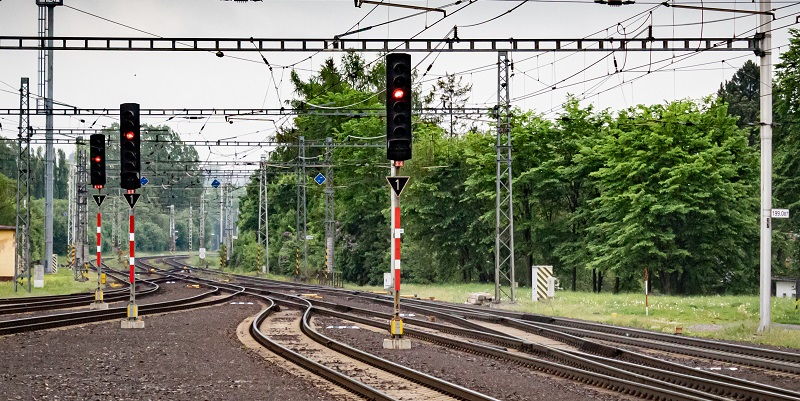
Polish police have carried out arrests following the illegal hacking of the national railway’s communication network, leading to traffic disruptions in certain areas of the country. This article will provide a detailed overview of the incident, including the initial hacking near Szczecin, the subsequent attacks in other parts of Poland, and the ongoing investigation. Furthermore, suspicions of Russian-Belarusian involvement will be explored, as well as the notable role Poland plays in the transit of Western arms into Ukraine.
Hacking incident near Szczecin
The incident began on Friday night when the radio communication network of the Polish PKP railway was hacked near the city of Szczecin in the northwest. As a result, several stop signals were issued, causing around 20 trains to come to a standstill or experience delays. This unauthorized interference disrupted rail operations and caused inconvenience for passengers.
Continued attacks in other parts of Poland
The hacking attacks persisted over the weekend, affecting various parts of the country. Fortunately, these attacks did not cause significant disruptions to traffic. However, it is worth noting that media reports circulated, claiming that the compromised signals were interspersed with the Russian national anthem and a recording of a speech by Russian President Vladimir Putin. These reports have raised concerns about the potential motives behind the hacking incident.
Investigation and Security Agency Involvement
In response to the major rail network breach, Poland’s internal security agency initiated an investigation into the incident. Officials from the agency have reassured the public that the incident did not pose any risks to passengers’ health or lives. Additionally, authorities have found no evidence suggesting a direct link between the hacking incident and recent railway accidents, including two derailments during the week where no injuries were reported.
Poland’s Role in Transit of Western Arms
Poland, known for being a loyal ally of Ukraine, plays a crucial role in the transit of Western arms into the country. As tensions persist in Eastern Europe, Poland’s strategic position as a transit hub becomes increasingly significant. The nation’s commitment to ensuring Ukraine’s security has made it a key player in the supply chain of Western weapons.
Suspicions of Russian-Belarusian Involvement
Deputy coordinator of special services, Stanislaw Zaryn, has made statements suggesting that attempts to destabilize Poland have been ongoing for months, allegedly orchestrated by the Russian Federation in conjunction with Belarus. These suspicions have caused further concern and raised questions about the motivations behind the railway hacking incident. However, it is important to note that concrete evidence connecting these incidents to Russian and Belarusian involvement has yet to be revealed.
The recent hacking of Poland’s national railway communications network has caused disruptions and raised concerns regarding the country’s transportation infrastructure. The arrests made by the Polish police indicate progress in the investigation, as authorities strive to identify and bring to justice those responsible for this cyberattack. Meanwhile, suspicions of Russian and Belarusian involvement underscore the need for heightened security measures and vigilance. The ongoing investigation will provide valuable insights into the motives behind this hacking incident and will contribute to efforts aimed at safeguarding Poland’s critical transportation systems.