

The Evolution of the X-Series and the Growing Demand for Performance Endurance
The relentless pace of smartphone innovation often leaves users choosing between raw speed and the ability to stay unplugged for more than a single day. Poco has long carved out a niche as a disruptor in the smartphone industry, consistently delivering high-octane hardware at price points that undercut established giants. As the mid-range segment becomes increasingly crowded, the upcoming Poco X8 Pro series represents a pivotal moment for the brand, shifting its focus from mere speed to a more holistic “powerhouse” experience.
This new lineup is significant not just for its refreshed internals, but because it addresses the modern user’s biggest pain point: the trade-off between extreme performance and all-day battery life. By bridging this gap, Poco aims to redefine what consumers should expect from a flagship-killer. This roundup synthesizes recent leaks and benchmark data to explore how this series might reshape the upper mid-range landscape during its expected March debut.
Redefining High-End Standards in the Mid-Range Market
Unprecedented Raw Power and the 3.6 Million AnTuTu Threshold
The most striking detail of the upcoming release is the Poco X8 Pro Max’s rumored Dimensity 9500s chipset, which has reportedly achieved a staggering AnTuTu score of over 3.6 million. This level of performance places the device in direct competition with top-tier flagships, signaling a bold move into the elite performance tier. However, such high processing power brings inherent challenges, specifically regarding thermal management in a relatively slim chassis.
Industry observers are keenly watching to see if cooling solutions can prevent throttling during heavy gaming sessions. This factor could determine whether these benchmark numbers translate into consistent real-world reliability or remain mere marketing figures. If the device maintains stability under load, it would effectively erase the performance gap between mid-range and premium categories.
Breaking the Battery Barrier with an 8,500mAh Powerhouse
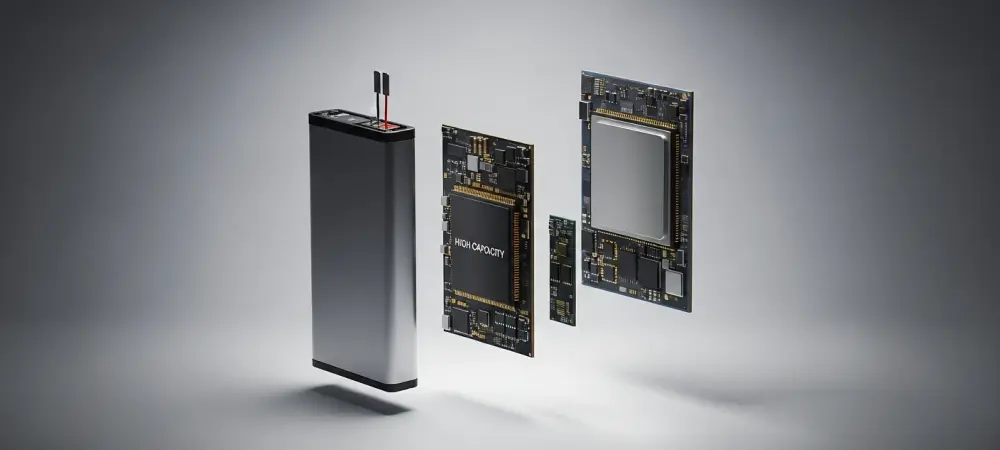
In a market where 5,000mAh has become the standard, the Pro Max variant is set to disrupt the status quo with a massive 8,500mAh battery. Coupled with 100W fast charging, this suggests a move toward multi-day usage even for power users, a rarity in the current performance-first segment. This shift indicates a broader industry trend where hardware efficiency is being paired with sheer capacity to eliminate “range anxiety” for mobile gamers and content creators.
The primary risk lies in the physical footprint; Poco must balance this immense capacity with ergonomic comfort. Ensuring the device does not become prohibitively heavy or bulky for daily use is a significant engineering challenge. If successful, this battery leap could force competitors to abandon the thin-and-light aesthetic in favor of practical longevity.
Visual Sophistication and Display Precision Across the Lineup
Beyond internal specs, the series is expected to offer a refined visual experience through 1.5K 120Hz OLED displays, with the Pro Max scaling up to a 6.83-inch panel. These screens are designed to offer the crispness of a flagship at a more accessible price point, utilizing slim bezels and modern aesthetics like the “pill-shaped” camera module to maintain a premium feel.
This focus on display technology reflects a regional shift in consumer preference toward larger, high-fidelity screens for media consumption. By offering distinct sizes between the Pro and Pro Max, Poco is effectively catering to both fans of standard ergonomics and those who prioritize a mini-tablet experience for entertainment. The inclusion of turquoise and white colorways further emphasizes the attempt to merge utility with fashion.
The Strategic Pivot of Global Rebranding and Market Positioning
The Poco X8 Pro series is widely believed to be a rebranded version of a domestic Chinese line, a strategy that allows the brand to leverage massive R&D while tailoring the software for global markets. This approach offers a competitive advantage by streamlining production and ensuring aggressive pricing, but it also invites scrutiny regarding brand identity and software differentiation.
As Poco moves to solidify its reputation for delivering “value-king” hardware, the X8 Pro series serves as a litmus test for the brand’s transition. It must prove it can successfully move from a budget-friendly alternative to a serious contender in the premium-tier space. Market success will depend on how the brand handles the transition from high-volume sales to high-value prestige.
Navigating the Choice Between Power and Portability in the New Lineup
The primary takeaway from the leaked series is that Poco no longer played it safe; they doubled down on extreme specifications to force the competition’s hand. For consumers, the decision likely came down to the trade-off between the standard Pro’s balanced 6,500mAh battery and the Pro Max’s industrial-grade capacity. It was recommended that potential buyers prioritized their specific use cases, as the Pro Max was clearly engineered for those who used their smartphone as a primary gaming or work device.
Why the Poco X8 Pro Series Could Signal a Paradigm Shift for 2024
The arrival of the Poco X8 Pro series marked a significant departure from iterative upgrades, opting instead for a “more is more” philosophy. By pairing flagship-grade silicon with unprecedented battery capacities, Poco effectively solved the endurance issues that plagued high-performance mobile devices for years. Moving forward, buyers should examine real-world thermal testing to see if the Dimensity 9500s sustained its peak efficiency. The ongoing importance of this series lay in its potential to democratize high-end specs for a broader audience, challenging the industry to stop compromising on longevity in the pursuit of power.