

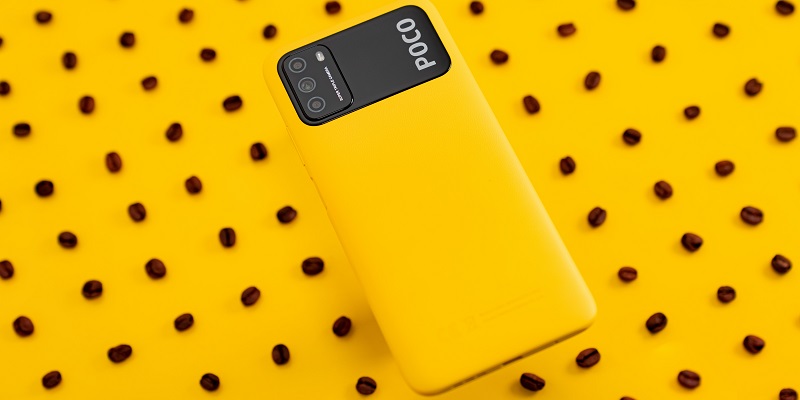
The POCO Smartphone is an innovative device that offers a multitude of features and powerful performance. In this article, we will delve into the various aspects of this smartphone and explore its capabilities. Additionally, we will discuss the convenience of local Spanish warehouse delivery, ensuring a seamless purchasing experience.
Smartphone Dimensions and Weight
One of the first aspects that catches attention is the sleek design and compact form factor of the POCO Smartphone. With dimensions measuring 162.91 x 76.03 x 7.9 mm and a weight of 181 grams, it strikes the perfect balance between size and portability.
Fingerprint Reader Placement
The POCO Smartphone boasts a unique and convenient fingerprint reader placement. Integrated into the power button, it ensures a seamless unlocking experience, combining ease of use with enhanced security.
Display Features
The front of the POCO Smartphone is dominated by a remarkable 6.67-inch AMOLED display. With an impressive resolution of 2 x 400 pixels and a smooth 120-hertz refresh rate, users can expect vibrant visuals, sharp details, and seamless scrolling.
Processor and Performance
Powered by the Qualcomm Snapdragon 778G processor, the POCO Smartphone delivers exceptional performance across various tasks. The processor ensures smooth multitasking, seamless app navigation, and efficient usage of power, making it suitable for both productivity and entertainment purposes.
RAM and Storage Capacity
To complement the powerful chipset, the POCO Smartphone features 6 to 8 GB of LPDDR4X RAM, enabling efficient multitasking and smoother performance. Additionally, it offers ample storage space with options of 128 GB and 256 GB of UFS 2.2 type storage, ensuring that users have sufficient space for all their files, apps, and media.
Rear Camera Module
POCO has meticulously designed the rear camera module to meet the expectations of photography enthusiasts. The module incorporates three sensors, each serving a specific purpose. This setup allows users to capture stunning images with exceptional detail and clarity.
Main Camera Resolution and Aperture
The standout feature of the POCO Smartphone’s camera system is the main sensor with an impressive resolution of up to 108 MP and an aperture of f/1.9. This combination allows for breathtakingly detailed photos, even in challenging lighting conditions.
Additional Features
The POCO Smartphone comes packed with a range of additional features that enhance the overall user experience. It includes high-quality stereo speakers for immersive audio, Wi-Fi 6 for faster and more reliable wireless connections, Bluetooth 5.2 for seamless device pairing, 5G connectivity for blazing-fast internet speeds, NFC for convenient contactless payments, an audio jack for traditional headphone usage, and the convenience of dual SIM support.
Battery Capacity and Charging Speed
To ensure extended usage, the POCO Smartphone is equipped with a substantial 5000 mAh battery. Furthermore, it supports fast charging at an impressive speed of 67W, allowing users to quickly recharge their device and minimize downtime.
In conclusion, the POCO Smartphone offers a myriad of features that cater to the needs of modern smartphone users. From its sleek design and powerful processor to its remarkable camera system and impressive display, this smartphone is a worthy contender in the market. With the added convenience of local Spanish warehouse delivery, it promises an exceptional user experience for customers.