

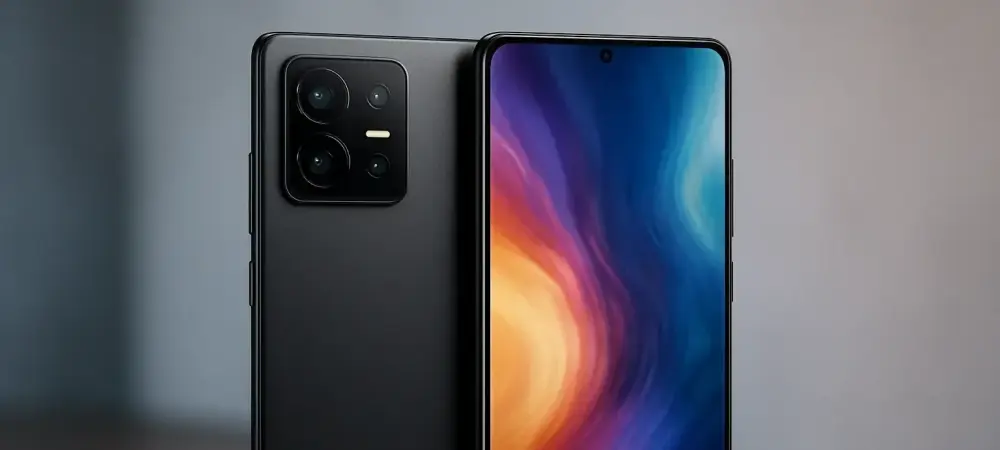
In a rapidly evolving smartphone market where timing can make or break a product’s success, the recent certification of a highly anticipated device from Xiaomi’s Poco lineup has sparked significant curiosity among tech enthusiasts. The Poco F8 Ultra, bearing the model number 25102PCBEG, has been certified by Thailand’s NBTC, suggesting that an early release might be on the horizon. This development breaks from the traditional annual cycle seen with previous models like the Poco F7 Ultra, which debuted in March. Such an unexpected move raises questions about Xiaomi’s strategy and what this could mean for consumers eagerly awaiting the next big thing in the F-series. This certification not only hints at a shift in release patterns but also fuels speculation about the device’s potential features and positioning in a competitive landscape.
A Shift in Release Timelines
The early certification of the Poco F8 Ultra by Thailand’s NBTC stands out as a notable deviation from the expected schedule, as certifications typically occur much closer to a product’s launch date. Historically, devices in the Poco F-series have followed a predictable March unveiling, but this development suggests that Xiaomi might be planning to introduce the F8 Ultra significantly earlier. This accelerated timeline could be a calculated effort to capture market attention ahead of competitors or to align with other product cycles within Xiaomi’s broader portfolio. The implications of an early release are substantial, potentially reshaping consumer expectations and giving the brand a head start in a crowded field. While the exact launch date remains unconfirmed, the certification signals that preparations are well underway, and fans of the series might not have to wait as long as anticipated to get their hands on the latest model.
Speculation on High-End Features
Beyond the timeline, much of the buzz surrounding the Poco F8 Ultra centers on its rumored specifications, which position it as a premium contender in the smartphone arena. Speculation points to the device possibly being a rebranded version of a high-end Redmi model, with recent attention shifting toward the Redmi K90 Pro Max, touted as the top-tier offering in its lineup. If this connection holds true, the F8 Ultra could boast impressive features, including a 6.9-inch OLED display with DC dimming at all brightness levels, a cutting-edge Snapdragon 8 Elite Gen 5 processor, and a sophisticated camera setup featuring a 1/1.31-inch main sensor, a 50MP ultrawide lens, and a periscope telephoto with 5x optical zoom. These rumored specs suggest that Xiaomi aims to elevate the Poco brand into flagship territory, blending high performance with innovative design. However, until official details emerge, these remain educated guesses based on industry patterns and teasers from related product lines.
Strategic Brand Synergy
Another layer to this unfolding story is Xiaomi’s apparent strategy of blurring distinctions between its Poco and Redmi brands through shared technology and rebranding efforts. This approach, seen in past iterations, allows the company to target diverse market segments while streamlining development costs. By potentially reimagining the Redmi K90 Pro Max as the Poco F8 Ultra, Xiaomi could leverage existing innovations to appeal to different consumer bases under distinct brand identities. This tactic not only maximizes resource efficiency but also amplifies market reach, catering to both budget-conscious buyers and those seeking premium experiences. While this cross-brand synergy sparks intrigue, it also underscores the uncertainty surrounding the final identity and specifications of the F8 Ultra, as official confirmation is still pending. The interplay between these brands highlights a broader trend in the industry toward flexible product positioning.
Looking Ahead to Market Impact
Reflecting on the developments, the early certification of the Poco F8 Ultra by Thailand’s NBTC marked a pivotal moment for Xiaomi’s F-series, suggesting a break from established release patterns and hinting at a powerhouse device through potential ties to the Redmi K90 Pro Max. As speculation mounts, the industry watches closely to see how this move will influence competitive dynamics. The focus now shifts to how Xiaomi will capitalize on this momentum, whether by confirming an early launch or unveiling specs that match the high expectations set by rumors. For consumers and analysts alike, the next steps involve monitoring official announcements for clarity on the device’s features and availability. This situation also prompts a broader consideration of how accelerated release cycles might redefine market strategies, urging competitors to adapt swiftly to maintain relevance in an ever-shifting landscape.