

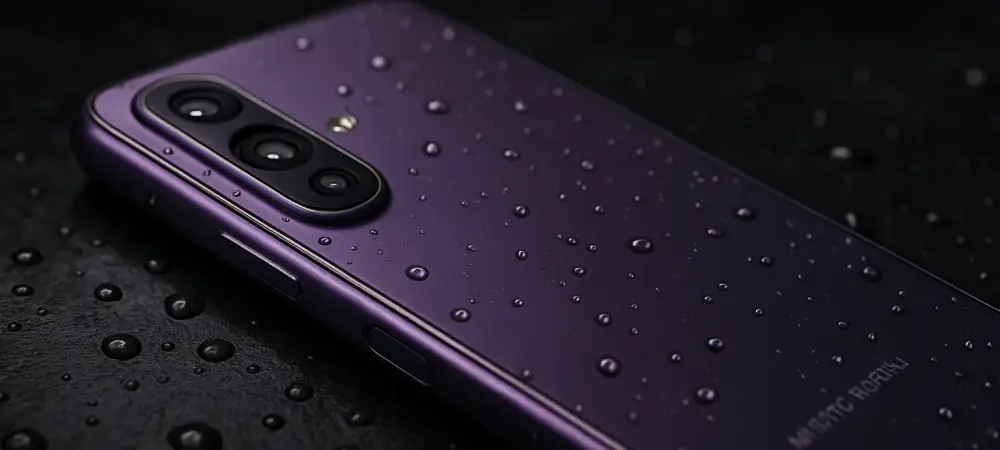
The competitive landscape for budget-friendly smartphones has intensified significantly, with consumers now expecting premium features like 5G connectivity, high-refresh-rate displays, and long-lasting batteries without a premium price tag. In a move to address this growing demand, Poco, a sub-brand of Xiaomi, has officially introduced its latest C-series contender to the Indian market. The new device enters a crowded field, aiming to distinguish itself by combining a massive power cell with a remarkably fluid display, features typically reserved for more expensive models. This launch signals a clear strategy to capture the attention of value-conscious buyers who are unwilling to compromise on performance and user experience, setting a new benchmark for what can be achieved in the entry-level 5G segment. The combination of powerful specifications and an aggressive pricing strategy makes it a notable new player.
Market Entry and Availability
Pricing Strategy and Launch Offers
Poco has introduced the C85 5G with a carefully structured, multi-tiered pricing model designed to cater to a wide range of budget-conscious consumers, making its advanced features accessible to a broader audience. The entry-level variant, equipped with 4GB of RAM and 128GB of internal storage, is set at a standard price of Rs. 12,499. For users requiring more robust multitasking capabilities, a mid-tier option with 6GB of RAM and the same 128GB of storage is available for Rs. 13,499. At the top of the lineup, a model boasting a substantial 8GB of RAM and 128GB of storage is priced at Rs. 14,499. To generate significant buzz during its initial launch period, Poco has announced a compelling introductory offer that provides a substantial discount across all configurations. Under this promotion, the prices are reduced to Rs. 10,999, Rs. 11,999, and Rs. 13,499, respectively. This aggressive, temporary price cut is further sweetened by an additional Rs. 1,000 discount for customers making purchases with HDFC Bank, ICICI Bank, or SBI credit and debit cards, a strategic move to stimulate early sales and reward brand loyalists.
The launch strategy for the Poco C85 5G extends beyond its aggressive pricing to include exclusive availability and a range of aesthetic choices to appeal to modern consumer tastes. The smartphone is scheduled to go on sale starting December 16, exclusively through the online retail platform Flipkart, a common approach for brands targeting a digitally native audience and aiming to streamline distribution costs. This online-only model allows Poco to maintain its competitive pricing by reducing overhead associated with physical retail channels. To cater to individual style preferences, the device is offered in three distinct and contemporary color options: Mystic Purple, Spring Green, and Power Black. These choices provide a degree of personalization that is increasingly important to buyers, even in the budget segment. By combining a time-sensitive promotional pricing structure with an exclusive online retail partnership and appealing color variants, Poco is positioning the C85 5G for a strong market debut aimed at capturing a significant share of the value-driven 5G smartphone market in India.
Core Specifications and User Experience
Performance and Display Technology
At the heart of the Poco C85 5G lies the octa-core 6nm MediaTek Dimensity 6300 chipset, a modern processor designed to deliver a balance of robust performance and power efficiency. This advanced 6-nanometer architecture ensures that the device can handle demanding applications and multitasking without excessive heat generation or battery drain. The chipset is complemented by a Mali-G57 MC2 GPU, which provides capable graphics processing for casual gaming and smooth video playback. To ensure a fluid user experience across different usage scenarios, the smartphone is available with up to 8GB of LPDDR4x RAM, enabling seamless switching between multiple open applications. For storage, the device utilizes 128GB of UFS 2.2 internal memory, which offers significantly faster read and write speeds compared to the older eMMC storage standards commonly found in this price category. This results in quicker app loading times and faster file transfers. Furthermore, for users with extensive media libraries, the storage is expandable up to a massive 1TB via a dedicated MicroSD card slot, offering ample space for photos, videos, and applications without compromise.
A standout feature of the Poco C85 5G is its large and immersive 6.9-inch flat HD+ display, which boasts a resolution of 720×1,600 pixels. While the HD+ resolution is standard for this segment, the screen’s adaptive 120Hz refresh rate is a significant upgrade that sets it apart from many competitors. This high refresh rate delivers exceptionally smooth scrolling, fluid animations, and a more responsive feel during gameplay. The adaptive nature of the technology intelligently adjusts the refresh rate based on the content being viewed, helping to conserve battery life when a high refresh rate is not needed. The display also offers a peak brightness of 810 nits, ensuring good visibility even in bright outdoor conditions. To enhance user comfort during extended use, the screen has received TÜV Rheinland certifications for Low Blue Light, Flicker-Free, and Circadian Friendly operation. These certifications confirm that the display is engineered to reduce eye strain by minimizing harmful blue light emissions and eliminating perceptible screen flicker, making it more comfortable for late-night reading or long viewing sessions.
Battery Life and Imaging Capabilities
One of the most compelling aspects of the Poco C85 5G is its colossal 6,000mAh battery, which is designed to provide exceptional endurance for even the most demanding users. Poco claims this substantial power cell can deliver over 106 hours of continuous music playback, a testament to its longevity. For the average user, this translates to more than a full day of heavy use and potentially multiple days of moderate use on a single charge, effectively eliminating battery anxiety. To complement this massive capacity, the device supports 33W wired fast charging, a feature that significantly reduces the time it takes to replenish the battery. This ensures that users can quickly top up their device and get back to their activities without being tethered to a power outlet for extended periods. In a practical and highly useful addition, the smartphone also features 10W wired reverse charging, allowing it to function as a power bank to charge other devices like earbuds, smartwatches, or even another phone via a USB cable, adding a layer of versatility that is rare in this price segment.
For its photographic capabilities, the Poco C85 5G is equipped with a dual rear camera system anchored by a 50-megapixel primary sensor. This high-resolution sensor, paired with a wide f/1.8 aperture, is capable of capturing detailed and bright images, particularly in well-lit conditions. The wider aperture also aids in low-light photography by allowing more light to reach the sensor, resulting in clearer shots with less noise. The primary camera is supported by a secondary QVGA camera, which likely serves as a depth sensor to assist in creating portrait shots with a natural-looking background blur or for other computational photography tasks. On the front, the device features an 8-megapixel camera housed within the display for capturing selfies and conducting video calls. While not a flagship-level camera system, this setup is well-suited for everyday photography, social media sharing, and video communication, providing a reliable imaging experience that aligns with the expectations for a budget-friendly smartphone.
Software and Final Touches
Operating System and Future-Proofing
The Poco C85 5G runs on HyperOS 2.2, providing users with a modern and feature-rich software experience out of the box. This operating system is designed to be efficient and customizable, offering a range of personalization options and system optimizations. Perhaps more importantly, Poco has made a strong commitment to the long-term viability of the device by promising two major Android upgrades and four years of consistent security updates. This software support guarantee is a significant differentiator in the budget smartphone market, where devices are often neglected after their initial release. The promise of future Android versions ensures that users will have access to the latest features, performance improvements, and interface enhancements for the next couple of years. The four-year security update window is equally crucial, as it provides peace of mind by protecting the device from emerging vulnerabilities and cyber threats, thereby extending its safe and usable lifespan considerably. This commitment to software longevity adds substantial value to the overall package, making the Poco C85 5G a more sustainable and future-proof investment for consumers.
Durability and Connectivity
Poco rounded out the C85 5G’s feature set by including several practical design and connectivity elements that enhanced its overall utility and durability. The device was built with an IP64 rating, which certified its resistance to dust ingress and water splashes from any direction, offering a layer of protection against everyday environmental hazards. For secure and convenient access, it incorporated a side-mounted fingerprint scanner, a placement that allowed for quick and natural unlocking of the phone. In a nod to users who prefer wired audio, the handset retained the 3.5mm audio jack, a feature that has become increasingly rare. The connectivity suite was comprehensive, featuring support for 5G networks for high-speed mobile data, alongside Wi-Fi 5 and Bluetooth 5.4 for reliable wireless connections. All these components were housed in a body measuring 173.16×81.07×7.9mm and weighing approximately 211g. The thoughtful inclusion of these features, from its robust software support to its practical hardware choices, positioned the Poco C85 5G as a well-rounded and formidable competitor in its segment.