

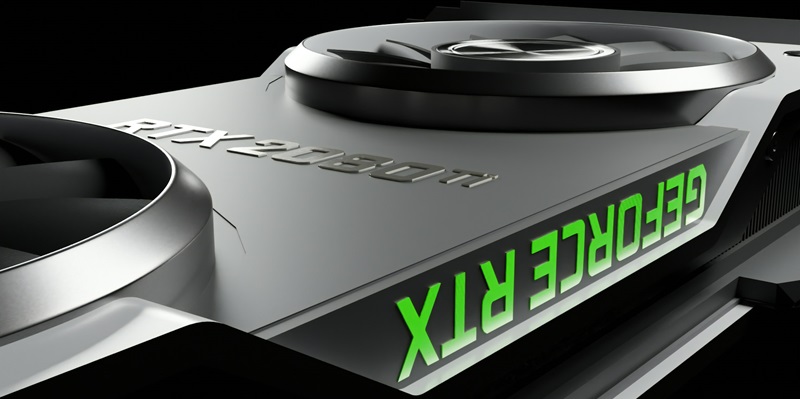
The PNY GeForce RTX 4070 Super Verto OC is an exceptional addition to the Nvidia Lovelace family, offering gamers and creators a superb blend of power and affordability. This graphics card delivers impressive performance at a reasonable price point, making it a top choice for those seeking the best 1440p gaming experience.
Pricing and Extra Features
With a US MSRP of $599.99, the PNY GeForce RTX 4070 Super Verto OC retails at the same price as the Founders Edition, but it offers several nifty extras that enhance its overall value. These additional features make an already exceptional graphics card even better.
Boost Clock and Performance
One notable improvement in performance comes from the slightly faster factory boost clock of 2,490 MHz. Compared to the Founders Edition’s 2,475 MHz boost clock, this provides a small yet noticeable bump in performance straight out of the box. Gamers and creators can expect enhanced responsiveness and smoother gameplay from this graphics card.
Overclocking Potential
The PNY VelocityX overclocking software unlocks the further potential for pushing the boundaries of performance. With this software, users can fine-tune their graphics card settings to extract maximum power. The inclusion of a 12VHPWR cable allows for increased wattage into the GPU, enabling even higher overclocking capabilities.
Cooling Performance
The dual-fan shroud design of the PNY Verto series ensures superior cooling for the graphics card. As a result, the PNY card runs several degrees cooler than the Founders Edition, promoting optimal thermals and maintaining stable performance during intense gaming or resource-intensive tasks. Keep your system running in peak condition with this efficient cooling solution.
Power Requirements and Compatibility
To power the impressive performance of the PNY RTX 4070 Super Verto OC, it requires either two 8-pin connectors or a 16-pin connector. While this power configuration offers a superb balance between performance and power efficiency, it may lead to some cable management challenges for users with limited space in their PC cases.
Size and Heatsink
The larger size of the PNY GeForce RTX 4070 Super Verto OC allows for a larger heatsink, resulting in improved cooling capabilities. This ensures that the graphics card remains at optimal temperatures even during intensive gaming sessions. Furthermore, the card’s compatibility with most PC cases ensures that it can easily fit into various system configurations.
Value and Performance
When considering both value and performance, the PNY GeForce RTX 4070 Super Verto OC stands out as an exceptional choice. Despite the availability of GPUs with flashy designs and seemingly better cooling solutions on the market, this offering from PNY strikes an ideal balance between pricing, features, and performance. It excels not only in delivering outstanding visuals at 1440p but also in maximizing the overall gaming or creative experience.
Availability and Release Date
The PNY GeForce RTX 4070 Super Verto OC will be available for purchase on January 17, 2024. It will be sold in the US, UK, and Australia, ensuring accessibility for enthusiasts and gamers across these regions.
In conclusion, the PNY GeForce RTX 4070 Super Verto OC surpasses expectations with its exceptional performance, value, and additional features. Designed to provide an outstanding 1440p gaming experience, this graphics card is ideal for those seeking a powerful, reliable, and affordable solution. While other options with flashy designs and better cooling may exist, the PNY RTX 4070 Super Verto OC offers unbeatable value and performance, even when compared to the competing AMD Radeon RX 7800 XT. Don’t miss out on this fantastic graphics card when it becomes available on January 17, 2024. Elevate your gaming or creative endeavors to new levels with the PNY GeForce RTX 4070 Super Verto OC.