

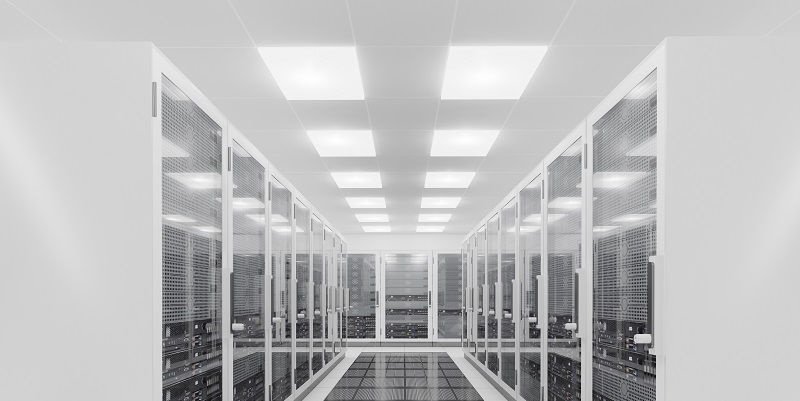
The demand for data centers continues to rise, and Slough, located west of London, has become a hotspot for such developments. In line with this trend, an unnamed developer has recently unveiled plans to construct two state-of-the-art data centers in the area, leading to the proposed demolition of six office buildings. Additionally, Equinix, a prominent data center company, has acquired the former AkzoNobel site nearby, further cementing Slough’s position as a thriving data center hub.
Planned data centers in Slough
In response to the increasing need for data storage and processing capabilities, more data centers are being planned in Slough. This expansion will not only support the growing digital infrastructure demands but also foster economic growth in the area. As part of these plans, a yet-to-be-named developer intends to demolish six office buildings along Bath Road and replace them with two modern data centers.
Equinix’s Acquisition of Former AkzoNobel Site
One of the key players in the data center industry, Equinix, made headlines last year when it acquired the former AkzoNobel site, a sprawling industrial facility in close proximity to Slough. Equinix has established itself as a global leader in the data center market and continues to expand its operations. With the acquisition of the former AkzoNobel site, Equinix is poised to further solidify its presence in the region.
Details of the proposed development
The application submitted by the unnamed developer seeks permission to demolish six neighboring office buildings along Bath Road to make way for the two data centers. The three buildings at 188, 190, and 200 Bath Road would be demolished, paving the way for the construction of one data center with ancillary office space. Similarly, 208, 210, and 216 Bath Road would be cleared to make room for the construction of a second data center. Both data centers are projected to house cutting-edge infrastructure to meet the growing demand for digital services.
Overview of the existing buildings
Currently, the six office buildings earmarked for demolition are multi-story office spaces of varying sizes. Their removal will not only facilitate the construction of the data centers, but it will also allow for the optimization of space utilization in Slough. The transformation of these buildings into state-of-the-art data centers will contribute to the ongoing modernization of the area’s digital infrastructure.
Equinix’s plans for a new data center campus
Equinix, having acquired the former AkzoNobel site, has disclosed its plans to establish a new data center campus. To prepare the site for this ambitious endeavor, Equinix intends to demolish a number of existing buildings. This new campus will serve as a cutting-edge facility, fully equipped to meet the data storage and processing needs of various industries.
Former AkzoNobel site details
The former AkzoNobel paint and manufacturing facility, located along Wrexham Road, currently consists of six former industrial buildings. Equinix’s acquisition of this site presents a unique opportunity to repurpose these structures into advanced data centers, which aligns with the company’s commitment to sustainable practices and minimizing environmental impact.
Approval recommendation from council staff
The forward-thinking initiative to develop modern data centers in Slough has received favorable feedback from council staff. Their recommendation for approval further emphasizes the project’s alignment with the local development guidelines. This consent is of immense significance as it paves the way for the construction of the data centers, which will not only boost the local economy but also enhance the digital infrastructure of the region.
The planned development of two data centers in Slough, coupled with Equinix’s acquisition of the former AkzoNobel site, reflects the increasing demand for robust data infrastructure in the area. These developments serve as a testament to Slough’s emergence as a prominent data center hub and a vital contributor to the digital economy. As these projects move forward, they are expected to attract further investment, create job opportunities, and position Slough as a frontrunner in the data center industry.