

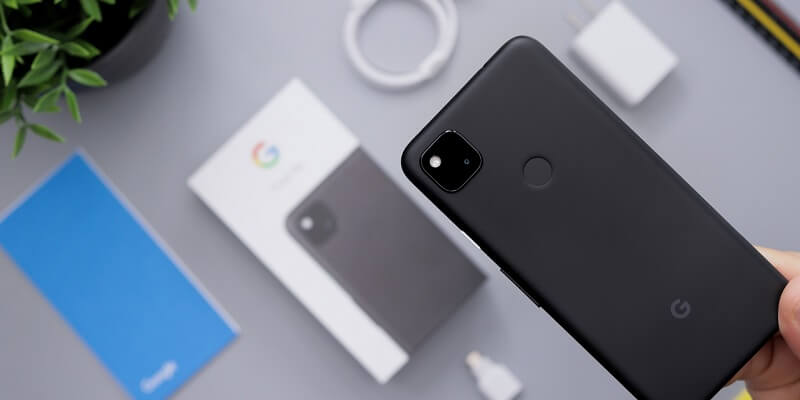
Google’s Pixel lineup has been known for its camera prowess since its inception. And with the upcoming Pixel 8 and 8 Pro, the search giant is looking to solidify its position as one of the top camera phone makers in the market. According to various reports and leaks, the Pixel 8 and 8 Pro are set to feature a host of camera improvements that will make them highly sought after by photography enthusiasts.
Upgrading Camera Sensors
The most significant upgrade in the Pixel 8 series will be the camera sensors. Both phones will swap out the ISOCELL GN1 for a larger ISOCELL GN2 50MP camera. The new sensor is expected to provide better low-light performance and improved dynamic range. Additionally, the new 50MP main sensor might support 8K video shooting at 30fps, something that would put it in line with some of the best camera phones on the market.
Ultra-wide camera
The Pixel 8 Pro will use the Pixel 7a’s 64MP Sony IMX787 sensor as an ultrawide camera. This upgrade will allow for better image quality and more significant details in photos taken with the ultrawide camera.
Google has already made strides in autofocus improvement by using a time-of-flight (ToF) sensor in the Pixel 4 and Pixel 5. This feature allows the phone’s camera to sense the distance between it and the subject being photographed, resulting in better autofocus and more accurate depth perception. Additionally, the Pixel 6 Pro may feature a new 8×8 ToF VL53L8 sensor, which should improve autofocus even further.
New camera features
Google has always been known for packing its phones with innovative features, and the Pixel 6 series is no different. The phones could come with a new “Adaptive Torch” feature that automatically adjusts the brightness and color temperature of the camera flash based on the lighting conditions in the scene. Also, the phones could have a “Segmentation AWB” feature that uses AI to divide the scene into different parts and apply different white balance settings to each section. Another exciting feature that might come with the Pixel 6 series is a video un-blur feature that would allow users to un-blur videos in post-production.
When is the expected announcement date?
While Google has not officially announced the Pixel 6 series, it is expected to be launched in October. The tech world is eagerly anticipating the announcement, and many are excited to see what Google has in store for its new flagship phones.
Google has been making impressive strides in the smartphone camera arena, and the Pixel 6 series is set to continue this trend. With a host of camera upgrades and innovative features, the Pixel 6 and 6 Pro could very well become the go-to phones for photography enthusiasts. We are eagerly awaiting the official announcement and can’t wait to get our hands on these new devices.