

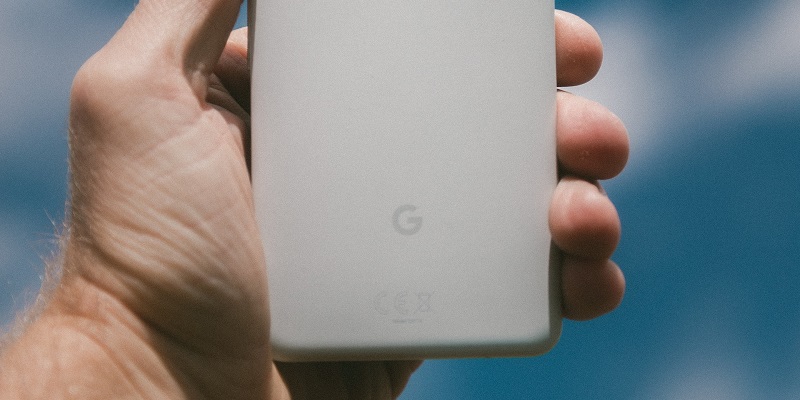
The Pixel 8 Pro is generating significant buzz in the tech world, with rumors and leaks suggesting exciting features and improvements. In this article, we delve into the speculated specifications of this highly anticipated smartphone model.
The Pixel 8 Pro is rumored to sport an impressive 6.67-inch LTPO OLED display. This display is expected to offer a QHD+ resolution, delivering stunning visuals with vibrant colors and exceptional clarity. Moreover, the device is rumored to support a 120Hz refresh rate for smoother scrolling and fluid animations.
Processor and Memory
Google is said to have developed its own custom chipset, the Tensor G3. This chip, based on the Samsung Exynos reference design, is expected to power the Pixel 8 Pro, ensuring fast and efficient performance. Paired with this powerful processor, the device is anticipated to offer a seamless user experience. Additionally, the Pixel 8 Pro is rumored to come with 12GB of RAM, ensuring smooth multitasking, and a choice between 128GB or 256GB of storage for ample space to store your files and media.
Camera Specifications
A highlight of the Pixel series has always been its exceptional camera capabilities, and the Pixel 8 Pro is set to continue this trend. According to rumors, the primary camera will feature a 50-megapixel optically stabilized sensor, utilizing the Samsung ISOCELL GN2 sensor. This sensor is expected to deliver outstanding image quality, even in challenging lighting conditions. As for the ultrawide sensor, Google is rumored to upgrade it to a 64-megapixel sensor, enabling users to capture more detailed and immersive shots. The device will also retain the 48-megapixel periscope-style telephoto camera, enabling 5x lossless optical zoom and incredible close-up shots.
Additional Features
It is speculated that the Pixel 8 Pro will include a temperature sensor, enhancing its ability to accurately monitor ambient conditions. This additional sensor can be particularly useful for various applications, including weather tracking and health-related functionalities. To keep you powered throughout the day, the device is rumored to come with an impressive 4,950mAh battery, ensuring excellent battery life.
Charging Support
While the Pixel 8 Pro is expected to offer wired charging support, it is rumored to be limited to 27W. Compared to other flagship devices on the market, this may seem slow. However, Google’s renowned software optimization might compensate for the lower charging speed, allowing for efficient battery usage.
Design
The Pixel 8 Pro is speculated to feature a design language similar to its predecessor, with a sleek two-tone metal-glass construction. This premium design ensures a sophisticated look and a comfortable feel in the hand.
Release Date
Tech enthusiasts worldwide eagerly await the official announcement of the Pixel 8 series. While no definitive release date has been confirmed, industry insiders speculate that October may hold the key to unveiling Google’s latest flagship smartphones.
As the Pixel 8 Pro rumors continue to circulate, excitement builds around the possible specifications of this upcoming smartphone. From the stunning display and powerful processor to the exceptional camera capabilities and anticipated additional features, the Pixel 8 Pro promises to be an enticing option for smartphone enthusiasts. As we await the official announcement, all eyes turn to Google, and October can’t come soon enough for the much-anticipated Pixel 8 series.