

Just weeks before its anticipated debut on February 18, 2026, a comprehensive leak from European retailer Vanden Borre has seemingly stripped away the mystery surrounding Google’s next mid-range smartphone, offering a detailed look at its specifications and pricing. The emerging picture of the Pixel 10a suggests a strategy of refinement rather than revolution, a device built on a familiar foundation with targeted improvements. While such an iterative approach can be a double-edged sword in the highly competitive mid-range market, it allows Google to maintain a clear distinction between its budget-friendly “A” series and its premium flagship counterparts. This early reveal confirms that the device will carry forward several key components from its predecessor, a decision that will likely be the central topic of discussion as consumers weigh its value proposition against a landscape of ever-advancing hardware. The leak provides a solid framework for what to expect, from the internal chipset to the external design, leaving very little to the imagination for the official launch event.
Familiar Hardware Under the Hood
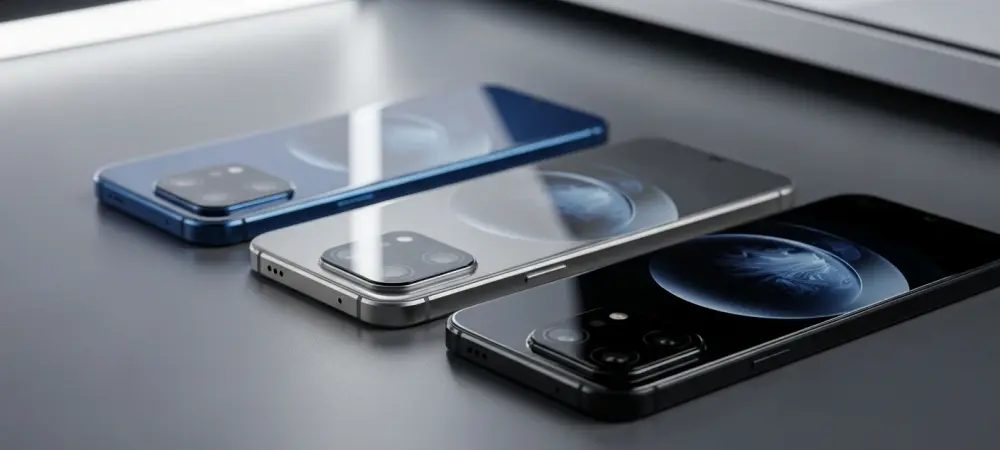
The most significant revelation from the leaked specifications is Google’s decision to equip the Pixel 10a with the Tensor G4 processor, the same silicon that powered the previous flagship generation. This move aligns with the company’s established pattern of differentiating its product tiers, reserving the cutting-edge Tensor G5 chipset for the forthcoming Pixel 10 and 10 Pro models. While utilizing a last-generation processor may be a point of contention for tech enthusiasts seeking the latest performance benchmarks, the Tensor G4 remains a powerful and capable chip, especially for a mid-range device. This strategy allows Google to leverage a mature, cost-effective platform while still delivering the advanced AI and machine learning features that have become a hallmark of the Pixel experience. Further cementing the theme of continuity, the leak also indicates that the camera hardware will be identical to that of the prior year’s model. Despite this, the phone is reported to feature a redesigned, flat camera housing, suggesting an aesthetic update that doesn’t alter the core imaging capabilities consumers have come to expect.
Display Upgrades and Pricing Details
In contrast to the recycled internal components, the Pixel 10a appears set to receive a notable enhancement to its display, which should elevate the user experience. The leak confirms the device will sport a 6.3-inch Actua-branded display with a smooth 120 Hz refresh rate, a premium feature that brings it in line with many higher-end smartphones and offers a significant upgrade in fluidity for scrolling and animations. This improvement is complemented by an IP68 certification for water and dust resistance, another flagship-level feature that provides users with greater peace of mind and durability. The retailer’s listing also provided a clear window into the European pricing structure, positioning the 128 GB storage model at €549 and a larger 256 GB variant at €649. These price points place the Pixel 10a firmly in the upper mid-range segment. The phone was shown to be available in three distinct color options: Blue, Grey, and Obsidian, offering a conservative yet appealing palette for potential buyers. Ultimately, the leak painted a complete picture of a device that balanced cost-saving measures with selective, high-impact upgrades.