

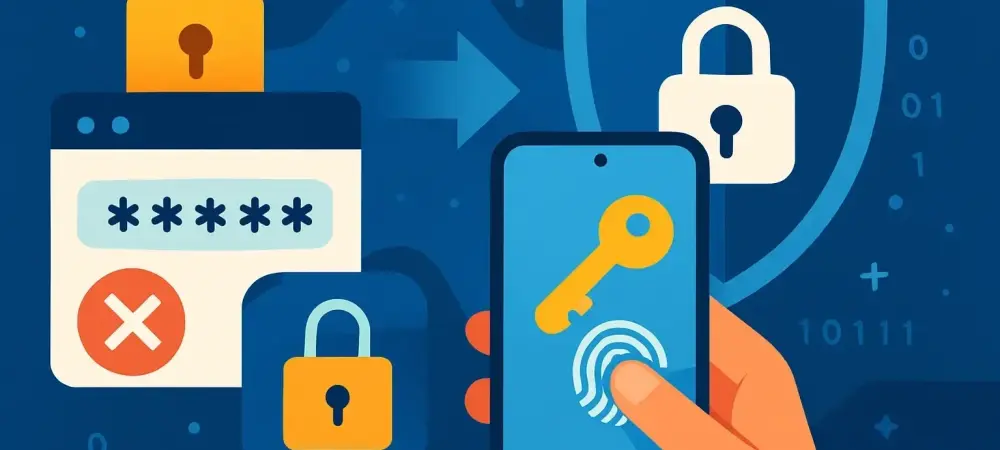
In a digital era where personal information is coveted, the traditional password is fighting a losing battle. Data breaches have become disturbingly common, with a reported 16 billion passwords having been compromised. This staggering figure raises an urgent question: can the internet users of today rely on passwords to protect sensitive information?
The Fall of Passwords and the Rise of New Solutions
Passwords, historically seen as the gatekeepers of online privacy, are now viewed as the Achilles’ heel of cybersecurity. With advancements in cracking techniques and increasingly sophisticated cyberattacks, passwords are frequently breached, compromising not only financial accounts but also personal identities. As threats grow more pervasive, it’s clear that relying solely on passwords is becoming a dangerous gamble.
The Power of Passkeys: A New Form of Protection
Passkeys represent a groundbreaking shift in how security is maintained online. Unlike traditional passwords, passkeys are based on more intricate verification methods, such as biometrics or hardware tokens. Tech giants like Microsoft, Google, and Facebook have taken the lead in integrating passkey technology, urging users to shift from outdated password systems. These efforts are complemented by existing security measures like two-factor authentication, further enhancing their protective capabilities.
Cybersecurity Experts Weigh In
Security experts worldwide are endorsing the transition to passkeys, highlighting their potential to radically reduce data compromises. According to industry leaders, the change to passkeys is not just a theoretical improvement—cases have demonstrated that they significantly bolster data protection. Testimonials from affected users underscore how passkeys have successfully safeguarded valuable information, providing peace of mind in a turbulent landscape of cyber threats.
Steps to Transition: Securing the Digital Future
For those looking to bolster online security, adopting passkeys is increasingly accessible. Major account providers are simplifying the transition, allowing users to implement passkeys with ease. Adopting this technology can be a straightforward process: enrolling in passkey programs through existing platforms and gradually replacing passwords with more secure alternatives. Over the long term, doing so strengthens both personal and professional digital safeguards, minimizing future vulnerabilities.
The Path Ahead: Embracing Enhanced Security Measures
The movement toward passkeys marks a significant evolution in cybersecurity, offering a promising future for digital safety. By shifting away from vulnerable passwords, individuals and organizations can not only protect their data but restore confidence in the security of their online interactions. As users begin to adopt these robust security measures, the digital community moves toward a future where the fear of data breaches becomes an element of the past.