

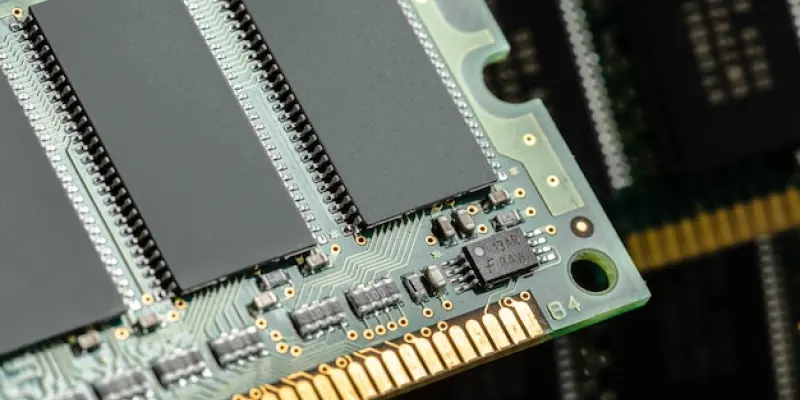
In the dynamic world of computer hardware, the pursuit of performance records continues to push technological boundaries, drawing enthusiasts into intense competition. The realm of memory overclocking witnessed a significant achievement when the overclocker known as “Saltycroissant” set a new world record for DDR5 memory frequency. Achieving 12,832 MT/s, this record was accomplished utilizing Corsair’s Vengeance RAM on an ASRock Z890 Taichi OCF motherboard, paired with an Intel Core Ultra 7 265KF processor. This achievement was not without challenges, as it required effective nitrogen cooling—a method often employed by overclockers to maintain the stability necessary for such high-performance feats. The consistent drive toward breaking records highlights the intersection of innovation and dedication within this competitive arena.
The Escalating Competition
The recent success by Saltycroissant follows a sequence of previous records established by other prominent overclockers in the community. Prior to Saltycroissant’s achievement, another influential figure, “bl4ckdot,” reached notable frequency milestones with the Trident Z5 memory, initially achieving 12,774 MT/s and subsequently pushing it to 12,822 MT/s. This backdrop of persistent competition underscores the incremental advancement characterizing this field, where even marginal gains bear witness to mastery over extreme conditions and fine-tuning of configurations. Saltycroissant had previously surpassed the 12,800 MT/s mark with a record of 12,806 MT/s, eventually reclaiming leadership with this most recent augmentation. The confined margins by which records are exceeded reflect the tremendous expertise required to break through the current technological limitations.
Technological Innovation and Practical Application
While achieving staggering heights of frequency through overclocking is impressive, it bears limited everyday utility in practical computing environments, including gaming or typical processing tasks. Motherboards such as the Z890 Taichi OCF have earned a reputation for facilitating such record-setting conditions, showcasing their adeptness in specialized overclocking endeavors. Yet, these feats remain largely in the theoretical arena, celebrated for their precision and engineering prowess rather than broad consumer application. Veteran overclockers, including Seby, Splave, and Hicookie, continue to engage in this thrilling pursuit, with each new record further cementing their legacy within this niche field. As overclockers endure the relentless quest for performance, they contribute to a deeper understanding and refinement of memory technology, brilliantly balancing ambition with the art of achieving the precise conditions necessary for record-breaking performance.