

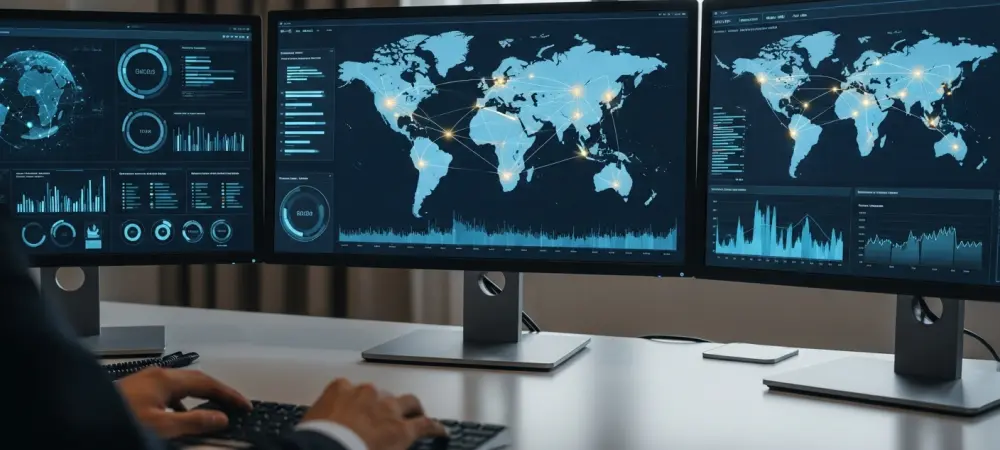
Modern hospitality enterprises are rapidly shedding their reliance on clunky on-site servers in favor of fluid digital architectures that prioritize the guest journey over administrative tasks. The Oracle OPERA Cloud has emerged as a definitive answer to the growing complexity of managing international hotel portfolios. By transitioning to a cloud-native model, the platform addresses the inherent weaknesses of traditional property management systems, which often act as isolated data silos. This review examines how the technology restructures the relationship between guest service and back-end operations.
The Evolution of Cloud-Native Property Management
The shift from fragmented, on-premises systems toward a unified, cloud-first architecture represents a fundamental change in how hotel groups view their technical infrastructure. Historically, property management systems were viewed as mere administrative tools for check-ins and billing. However, in the current landscape, the Oracle OPERA Cloud has repositioned the PMS as a core pillar of commercial strategy. This modernization allows groups to manage their business in real-time, moving away from the reactive nature of legacy hardware. Eliminating physical server dependencies is not just about reducing maintenance costs; it is about operational survival in a mobile-driven economy. When a hotel removes its on-site data centers, it gains the ability to push updates globally within seconds rather than months. This agility ensures that every property, regardless of its geographic location, operates on the same security protocols and feature sets. The transition represents a decisive break from the technical debt that has long hindered the innovation cycles of major hospitality brands.
Core Components of the OPERA Cloud Ecosystem
OPERA Cloud Central and Data Unification
The centralization of global operations through OPERA Cloud Central creates a connected commercial ecosystem that was previously impossible with local installations. By consolidating guest profiles, reservations, and inventory into a single source of truth, hotel groups can achieve a 360-degree view of their customers. This unification is vital because it allows a guest staying at a brand in Lisbon to receive the same personalized recognition when they check into a sister property in Bangkok.
Centralized data improves consistency across the entire travel journey by removing the friction of redundant data entry. When information flows freely between departments—from sales and catering to the front desk—the staff can anticipate guest needs with greater accuracy. This level of synchronization transforms guest interactions from transactional moments into part of a continuous, holistic relationship. It ensures that the “brand promise” remains intact across multiple international jurisdictions and diverse property types.
Oracle Hospitality Integration Platform (OHIP)
The Oracle Hospitality Integration Platform serves as the technical framework that enables seamless connections with third-party products and proprietary tools. Unlike competitors that often charge high fees for custom integrations or lock users into closed ecosystems, OHIP utilizes an open API approach. This allows hospitality groups to maintain high levels of agility, as they can integrate a new mobile key solution or a specialized AI chatbot without rebuilding their core infrastructure. OHIP facilitates rapid innovation by providing a low-code environment where developers can access over 3,000 REST APIs. This performance is a significant differentiator, as it permits hotel operators to customize their technology stack to meet regional demands. For instance, a property in the Middle East might require specific payment integrations that differ from those in Europe; OHIP allows for these localized adjustments while maintaining a standardized global core.
Emerging Trends in Hospitality Digital Transformation
An industry-wide shift is occurring where operators are prioritizing the elimination of technical debt associated with aging physical hardware. This trend is driven by the rising demand for mobile-first capabilities and paperless solutions that cater to a younger, tech-savvy demographic. Hotel guests no longer want to stand in line at a desk; they expect to manage their stay via a smartphone. Cloud-based environments are the only way to support these high-bandwidth, real-time guest experiences reliably. Standardized cloud environments have become a competitive necessity rather than a luxury. Hotel operators are now focusing on scalability, ensuring that adding a new property to the portfolio is as simple as creating a new digital instance. This trend reflects a move toward “connected commerce,” where the property management system acts as the hub for all revenue-generating activities, including spas, restaurants, and retail, all linked to a single guest profile.
Strategic Implementation and Global Use Cases
The large-scale rollout by Minor Hotels demonstrates the platform’s capacity to handle extreme operational diversity. By deploying the system across brands like Anantara, Avani, and NH Collection in 59 countries, the group proved that a single operating system could successfully bridge the gap between luxury resorts and urban boutique hotels. This implementation focused on regional expansions in Asia Pacific and the Middle East, areas that require robust multilingual support and complex tax compliance features.
A notable success within these implementations was the introduction of paperless check-in solutions. By leveraging the cloud, staff members were able to move away from the front desk, completing guest registrations on tablets while seated in the lobby or even during airport transfers. This specific use case highlights how global hospitality leaders utilize the platform to manage diverse portfolios through a single, flexible interface that adapts to the specific needs of each brand.
Overcoming Operational and Technical Hurdles
Migrating hundreds of properties from legacy systems to a unified cloud environment is fraught with challenges, primarily regarding data fragmentation. Transitioning years of historical guest information from physical servers into a new digital structure requires meticulous planning to avoid administrative friction. Large-scale hotel operations often face resistance to change, as staff members must unlearn decades of manual workflows in favor of automated, cloud-driven processes. Despite high operational pressures, the platform aims to streamline staff workflows by automating repetitive tasks like night audits and report generation. Ongoing efforts to maintain service standards during migration are supported by comprehensive training modules built directly into the software. The goal is to reduce the cognitive load on hotel employees, allowing them to focus on human connections rather than navigating complex menu screens.
The Future of Connected Commerce in Hospitality
Real-time data analysis will play an increasingly central role in driving long-term hospitality growth. As the industry moves forward, breakthroughs in personalization will be powered by cloud scalability, allowing hotels to adjust pricing and service offerings in milliseconds based on guest behavior. The ability to process massive amounts of data at the “edge” of the guest experience will separate market leaders from those still struggling with disconnected spreadsheets.
The long-term impact of a standardized technology base will be most visible during future expansions into markets like Australia and New Zealand. By establishing a scalable foundation today, hotel groups are preparing for a future where the PMS is invisible, and the guest experience is entirely frictionless. This connected commerce model suggests that the next phase of growth will not come from more rooms, but from the better monetization of existing guest interactions through data intelligence.
Final Assessment of Oracle OPERA Cloud
The implementation of Oracle OPERA Cloud represented a significant shift in the technological landscape of the hospitality sector. It provided global hotel groups with the agility needed to modernize operations across vast, diverse portfolios without the burden of physical server maintenance. By centralizing guest data and opening the architecture through OHIP, the platform successfully bridged the gap between traditional service and digital innovation. The project established that a unified cloud-native environment was no longer optional for companies seeking international scale and consistency. While the migration process presented logistical complexities, the resulting operational efficiency and improved guest engagement justified the transition. Ultimately, the technology served as a necessary catalyst for the industry’s move toward a more connected, data-driven future. Moving forward, hotel groups must leverage these consolidated insights to refine hyper-personalized services that meet the evolving expectations of the modern traveler.