

In an era where the “equipment-as-a-service” model has become the backbone of the global industrial economy, the technical infrastructure supporting these operations has had to evolve far beyond simple accounting. Dominic Jainy, a seasoned IT professional with a deep focus on the intersection of heavy machinery and digital transformation, joins us to discuss how the equipment rental sector is shedding its legacy constraints. With over 25 years of experience in the field, our expert explores the shift from linear to circular asset management, the necessity of a unified data ecosystem, and the ways in which modern cloud ERPs are eliminating the operational silos that once hindered growth. This conversation delves into the practicalities of managing high-value fleets and the technological leaps that are making predictive maintenance and real-time visibility a reality in 2026.
How do the operational requirements of a circular asset lifecycle fundamentally challenge the logic of a traditional, linear ERP system?
Standard ERP platforms are traditionally built for a “buy, store, and sell” logic, where once an item leaves the warehouse, it is essentially gone from the balance sheet as inventory. In the world of heavy equipment, however, we operate on a circular model where the asset is the heartbeat of the company and its journey is never-ending. A machine leaves the yard, works on a job site, returns for a rigorous inspection, undergoes maintenance, and must be staged for re-rental, often over a span of several years. This requires a 360-degree view of serialized assets through every stage of their life, from initial procurement to eventual disposal or resale. Without an industry-specific solution like Sycor.Rental, companies find themselves trying to force a round peg into a square hole, losing critical data every time a machine cycles back into the yard.
When companies move away from fragmented spreadsheets and manual tracking toward a unified ecosystem, what is the most immediate change in their day-to-day fleet visibility?
The most striking shift is the immediate lifting of the “operational fog” that occurs when maintenance logs, rental quotes, and accounting data live in separate applications. By embedding rental logic directly into Microsoft Dynamics 365 Finance and Supply Chain Management, every stakeholder—from the shop mechanic to the CFO—is finally looking at a single source of truth. Dispatchers gain access to visual boards that show the real-time status of every unit, whether it is currently available, reserved for a future contract, in transit, or undergoing emergency repair. We have seen how this level of clarity, backed by 25 years of specialized expertise, allows providers to maximize their asset utilization and stop the revenue leakage that happens when machines sit idle simply because no one knew they were ready for work.
Billing in the rental industry is notoriously complex, involving various rates and usage metrics. How does a specialized ERP handle these financial workflows without overwhelming the back office?
Rental billing is a living, breathing calculation that must be flexible enough to handle daily, weekly, or monthly cycles while also accounting for tiered pricing and standby rates. In many legacy systems, staff have to manually intervene to calculate charges for transport fees or meter-based usage, such as engine hours on a large excavator. A specialized system automates these recurring billing cycles and utilization-based charges, ensuring that invoices are accurate and reflect the actual wear and tear on the machinery. This automation is vital for protecting capital investments, as it ensures that every hour of operation is accounted for and billed correctly, which directly improves the ROI per asset class.
With the integration of Azure IoT and telematics, how has the approach to equipment maintenance shifted from being reactive to truly predictive?
We are now in a position where the equipment effectively “talks” to the back office, providing a constant stream of engine hours, GPS locations, and fault codes directly into the Dynamics 365 environment. Instead of waiting for a catastrophic failure on a customer’s job site, which is both expensive and damaging to a company’s reputation, these telematics triggers can automatically generate workshop work orders. You can almost feel the pulse of the fleet through real-time Power BI dashboards that track Total Cost of Ownership and maintenance downtime. This transition to predictive maintenance ensures that scheduled servicing happens exactly when needed, extending the life of the asset and ensuring that the machines in the field are as reliable as possible.
What does the adoption of mobile tools like Power Apps mean for the staff working on the front lines in the yards and repair shops?
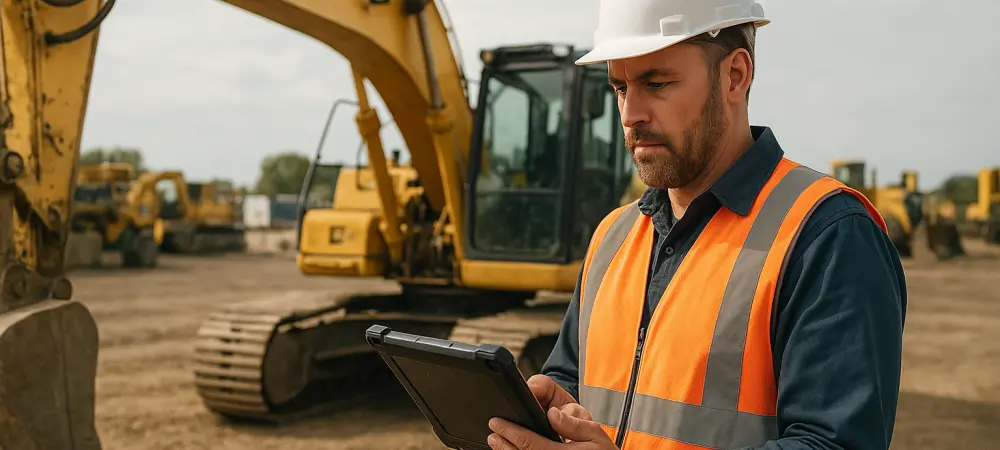
For the technicians and yard staff, mobile accessibility has transformed a paper-heavy, error-prone process into a streamlined digital experience. When a piece of equipment is returned, a yard worker can use a mobile device to perform a digital check-in, capturing photos of damage and documenting the machine’s condition in real-time. This information is instantly synced with the central system, allowing for immediate damage reporting and faster turnaround times for repairs. It removes the disconnect between the field mechanics and the central dispatchers, creating a sensory, hands-on connection to the data that simply wasn’t possible with old-fashioned clipboards and manual entry.
Many organizations are tempted to build their own custom software to fill these gaps. Why is a specialized ISV solution a more sustainable choice for long-term growth?
The risk with custom-built software is that it often becomes a “black box” that is incredibly expensive to maintain and prone to breaking whenever the core ERP platform receives an update. By choosing a specialized solution like Sycor.Rental, which is built natively within the Microsoft ecosystem, companies get the benefit of pre-built rental logic that scales automatically with their business. This means as a provider expands from one yard to dozens of regional depots or even international markets, they aren’t bogged down by the overhead of a massive IT department. They can lean on a proven infrastructure that updates alongside Microsoft’s own releases, lowering the total cost of ownership and allowing the business to focus on its core competency: providing top-tier equipment.
What is your forecast for the equipment rental industry?
The next several years, from 2026 to 2029, will be defined by the total democratization of data across the entire supply chain, where “digital twins” of every machine provide real-time insights into both performance and profitability. We will see a shift where rental companies stop being seen as mere equipment providers and start acting as high-tech uptime partners, using artificial intelligence to predict exactly where a fleet should be positioned based on regional demand. The winners in this space will be the firms that have moved away from proprietary, siloed niche systems in favor of a unified, cloud-based ecosystem that can turn raw telematics and financial data into a competitive advantage.