

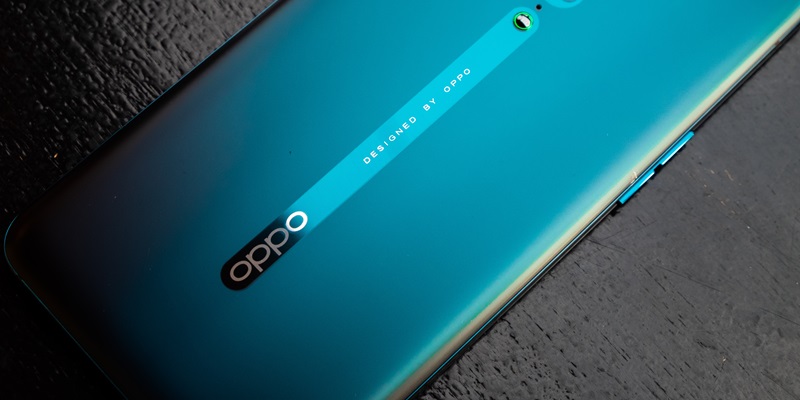
In a move that is poised to disrupt the world of satellite communications, OPPO is gearing up to launch its highly anticipated Find X7 series smartphones. Packed with groundbreaking features and innovative technology, these smartphones are set to revolutionize the way we connect with satellites and elevate the satellite calling experience to new heights.
Adjusting the radiation pattern for high-quality satellite communications
One of the most notable features of the Find X7 series is the ability to adjust the radiation pattern of a satellite antenna. This breakthrough technology ensures that users can enjoy crystal-clear and high-quality satellite communications. By dynamically modifying the radiation pattern, these smartphones guarantee optimal signal reception, even in challenging environments.
OPPO’s Super Signal Project: Addressing Signal Coverage Issues
Recognizing the importance of reliable signal coverage in various settings, OPPO has launched the Super Signal project. This initiative aims to tackle signal coverage issues in remote mountain areas, rural regions, complex urban environments, and even home offices. By leveraging advanced technologies and engineering solutions, OPPO is determined to bridge the gap and enhance connectivity for all users, regardless of their location.
Enhancements in low-frequency band and antenna technology
To improve signal reception capabilities, OPPO has updated the n28 low-frequency band in the Find X7 series smartphones. Moreover, the addition of quad low-frequency antenna technology has effectively doubled the number of reception channels of the low-frequency MIMO antenna. This advancement results in a significant 7 dB increase in signal level, leading to a more reliable and stable satellite connection.
Transforming the satellite calling experience
The Find X7 series smartphones were specifically designed to transform the satellite calling experience from the traditional “satellite walkie-talkie mode” to an advanced “satellite phone mode.” In this mode, users can expect enhanced audio quality, improved call stability, and unparalleled clarity even in challenging conditions. Whether faced with strong winds or disruptive waves, the advanced satellite phone mode ensures an optimal communication experience.
Benefiting from OPPO’s Generative Artificial Intelligence Model
OPPO’s generative artificial intelligence model, AndesGPT, plays a pivotal role in optimizing the performance of the Find X7 series smartphones. AndesGPT boasts three different versions, each with varying parameters tailored to different user scenarios. This intelligent planning capability allows the smartphones to adapt to individual needs, ensuring seamless user experiences.
Support for End-to-Cloud Co-Deployment and Intelligent Planning
AndesGPT not only supports end-to-cloud co-deployment but also showcases OPPO’s commitment to providing cutting-edge AI capabilities. By leveraging the power of cloud technology, the smartphones can tap into vast resources and process data more efficiently. This enables advanced intelligent planning and resource allocation, maximizing the smartphones’ overall performance.
Delivering enhanced signal quality and reliability
With the Find X7 series smartphones, OPPO promises to deliver improved signal quality, greater reliability, and enhanced communication experiences for users worldwide. Whether it is in remote areas, bustling cities, or even the comfort of home offices, these smartphones aim to bridge connectivity gaps and empower users with seamless communication capabilities.
As OPPO prepares to disrupt the satellite communications landscape, the Find X7 series smartphones stand tall as powerful game-changers. With the ability to adjust the radiation pattern of satellite antennas and a focus on addressing signal coverage issues, these smartphones promise to revolutionize the way we connect with satellites. Combined with advanced AI capabilities, enhanced signal quality, and a transformation in the satellite calling experience, OPPO is set to redefine satellite communications for users around the world.