

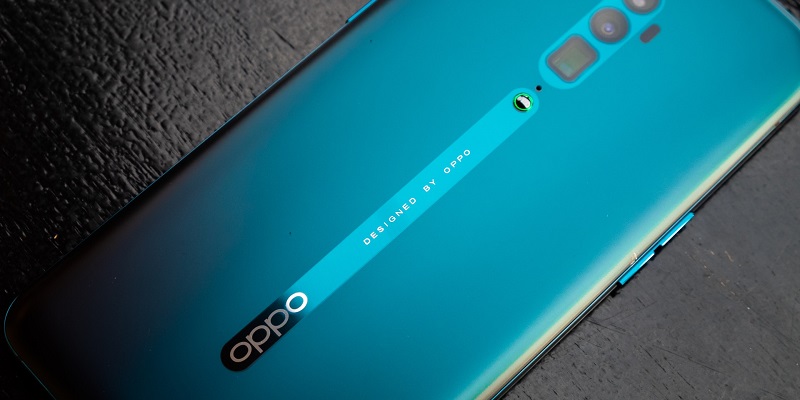
Oppo has unveiled its latest Reno lineup in China, consisting of three phones – the vanilla Reno 10, Reno 10 Pro, and Reno 10 Pro+. The new smartphones are set to impress the market with their high-end features and sleek design. The Reno series has been a popular choice for smartphone enthusiasts globally, and the latest additions to the family come packed with impressive features.
Oppo Reno 10 Pro+: Upper midrange smartphone with Snapdragon 855+ chipset
The Oppo Reno10 Pro+ is the most advanced phone in the series, with a Snapdragon 888+ chipset and 16GB of RAM, as well as the Mali-G78 MC12 GPU and the MediaTek Dimensity 1200 chipset. The phone is set to provide top-notch performance and is designed for users looking for a premium experience. The phone is built with a sleek design and a large display, which adds to its appeal.
Selfie camera: 32 MP mounted inside the punch hole
The phone comes with a 32 MP selfie camera that is mounted inside the punch hole. This feature is a significant improvement from the previous models and provides better clarity and detail in selfies. Oppo’s new camera technology is impressive and is set to rival that of other high-end smartphones in the industry.
Battery: The Oppo Reno10 Pro+ comes with a 4,700 mAh battery with 100W SuperVOOC 2.0 charging
The Oppo Reno10 Pro+ comes with a 4,700 mAh battery that is built to last. The phone supports 100W SuperVOOC 2.0 charging, which can quickly charge your phone within minutes. This feature is ideal for people who are always on the go and do not have time to wait for their phones to charge.
Availability: Oppo Reno10 Pro+ will go on sale on June 1 in black, gold, and a unique purple color
The Oppo Reno10 Pro+ is set to hit the market on June 1st in three unique color options: black, gold, and purple. The phone’s sleek design and high-performance features make it a great investment for anyone looking for a premium smartphone.
Oppo Reno10 Pro: Similar Design, but with Dimensity 820 Chipset by MediaTek
The Oppo Reno10 Pro shares a similar design with the Oppo Reno10 Pro+. However, it comes with a Dimensity 820 chipset by Mediatek, while retaining the MariSilicon X NPU. This feature makes the phone ideal for people who are looking for a high-performance smartphone but are on a budget.
Battery capacity: Oppo Reno10 Pro has a battery capacity of 4,600 mAh, but it still charges at 100W
The Oppo Reno10 Pro has a battery capacity of 4,600 mAh, which is slightly lower than the Oppo Reno10 Pro+. However, it still charges at 100W, making it a convenient option for people who need to charge their phones quickly.
The Oppo Reno10 comes with a 6.7″ AMOLED display with curved edges, 1080p resolution, and up to 120 Hz refresh rate
The Oppo Reno10 boasts a large 6.7” AMOLED display with curved edges, 1080p resolution, and a refresh rate of up to 120 Hz. This feature is ideal for people who enjoy streaming videos and gaming on their phones.
The Oppo Reno10 series runs on the latest ColorOS 13.1 software update, which includes improved QR code scanning and smarter, quicker location access for select apps
The Oppo Reno10 series runs on the latest ColorOS 13.1, which brings improved features such as QR code scanning and smarter and quicker location for selected apps. This feature is ideal for people who rely on their phones for productivity and work.
In conclusion, Oppo’s latest Reno lineup is poised to impress smartphone enthusiasts worldwide. The series boasts high-performance features and sleek designs that make them stand out in the market. The Oppo Reno10 Pro+ is the top model in the series, while the Oppo Reno10 Pro and Reno10 offer similar features at different price points. All three phones in the Reno 10 series boast impressive displays, battery life, and camera technology that will appeal to a wide range of users.