

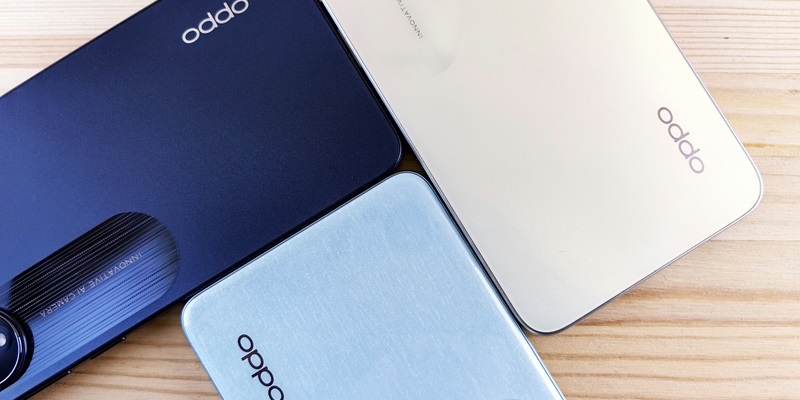
As the technological landscape continues to evolve at breakneck speed, OPPO is preparing to launch its latest mid-range smartphones, the Reno13 and Reno13 Pro, by the end of 2024. These new models are poised to surpass their predecessors in terms of battery capacity and charging speed, promising to elevate user experience to unprecedented levels. Both the Reno13 and Reno13 Pro will come equipped with markedly enhanced battery specifications and advanced SuperVOOC charging technology, aiming to set new benchmarks in the mid-range segment.
Enhanced Battery Capacities
Upgrades to Battery Capacity
One of the most significant improvements introduced with the Reno13 series is the upgraded battery capacity. The standard Reno13 model will feature a 5,600mAh battery, while the Pro version will boast an even larger 5,900mAh battery. This elevation in battery size is a meaningful step up from the Reno12 series, underscoring OPPO’s commitment to providing better battery performance. The inclusion of single-cell batteries in both models, as opposed to the dual-cell counterparts found in the premium Find X8 series, is a notable design choice that brings its own set of advantages. A single-cell battery typically improves the overall longevity and efficiency of the device, which translates to extended usage time for the end-user.
Enhanced battery capacities are not just numbers on a spec sheet; they have real-world implications for consumers. A larger battery means users can spend more time engaging with their devices—whether it’s for work, entertainment, or communication—without the constant worry of their phone dying. In a world where smartphones have essentially become extensions of ourselves, OPPO’s decision to focus on battery life addresses one of the most critical user needs. With such enhancements, the Reno13 series aims to become a significant contender in the mid-range market.
SuperVOOC Charging Technology
In addition to larger batteries, the OPPO Reno13 series will incorporate 100W SuperVOOC wired charging technology. This is a substantial leap from the 80W SuperVOOC charging found in the Reno12 series and promises much faster charging times. The transition to 100W charging not only aligns the Reno13 series more closely with OPPO’s next-gen flagship models, but it also indicates potential compatibility with existing chargers from other brands like OnePlus. This move reflects a broader industry trend where brands are increasingly focusing on reducing charging times to improve the overall user experience.
The adoption of 100W SuperVOOC technology means that users can replenish their phone’s battery in a fraction of the time it takes with standard charging methods. This capability is incredibly convenient for those constantly on the go, reducing downtime and allowing for more seamless integration into daily life. The ability to rapidly charge without compromising on battery health or efficiency places the Reno13 series in a unique position, providing premium features typically reserved for higher-end models in a more affordable package.
Broader Industry Context
Trends in Battery Performance
The advancements showcased by the OPPO Reno13 series highlight an ongoing trend in the smartphone industry focused on better battery performance and reduced charging times, even in mid-range devices. Numerous manufacturers are realizing the importance of these features, as evidenced by recent leaks and releases. For instance, OPPO’s own K12 model, featuring a 5,500mAh battery, and the upcoming debut of the OPPO Find X8 Pro with similar battery capacities, further underscore this industry-wide emphasis. High-capacity, fast-charging batteries are quickly becoming a cornerstone in the design of contemporary smartphones, marking a shift in consumer priorities.
Consumers today demand extended screen-on time and minimal downtime, and smartphone companies are taking note. As more brands adopt these trends, the distinction between mid-range and flagship models narrows, presenting consumers with more robust, feature-rich options at various price points. This democratization of technology stands to benefit users by providing greater flexibility and choice, facilitating better performance without necessarily commanding premium prices.
Implications for Consumers
As the technological landscape continues to advance at a rapid pace, OPPO is gearing up to introduce its latest mid-range smartphones, the Reno13 and Reno13 Pro, by the end of 2024. These upcoming models are set to outshine their predecessors in terms of both battery capacity and charging speed, promising to deliver an unparalleled user experience. The Reno13 and Reno13 Pro will feature significantly upgraded battery specifications, combined with cutting-edge SuperVOOC charging technology, aiming to establish new standards in the mid-range smartphone market.
Additionally, OPPO’s emphasis on enhancing battery life doesn’t just stop at larger capacities and faster charging. The company has also invested in optimizing power management systems to ensure these devices maintain peak performance throughout the day. The new Reno13 series will cater to users who demand reliability and efficiency, ensuring that their devices can keep up with their fast-paced lifestyles. With these technological advancements, OPPO plans to redefine user expectations and set a new benchmark in the realm of mid-range smartphones by the end of 2024.