

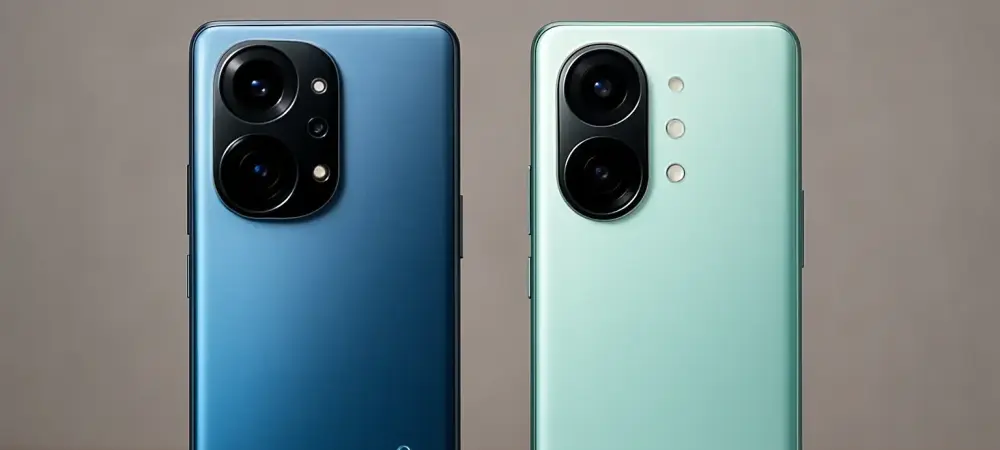
The difficult choice between a ‘Pro’ and a standard smartphone model has become increasingly complex, with subtle yet significant differences often defining the entire user experience for the next several years. Oppo’s latest Reno 15 series perfectly embodies this dilemma, presenting two highly capable devices that share a common lineage but are engineered to appeal to distinct user priorities. Both phones arrive with a compelling set of foundational features, making the decision less about finding a good phone and more about identifying the right one.
Introduction Setting the Stage for the Sibling Rivalry
The Oppo Reno 15 series has made its global debut, establishing a new benchmark for the company’s premium mid-range offerings. At the heart of this lineup are the Reno 15 Pro and the standard Reno 15, two smartphones that, at first glance, appear remarkably similar. They share an impressive core blueprint, including vibrant 120Hz AMOLED displays for fluid visuals, formidable 50-megapixel front-facing cameras for sharp selfies, and a flagship-level IP69 rating for exceptional resistance against dust and water. This shared DNA ensures a premium experience regardless of the model chosen. However, beneath this veneer of commonality lies a carefully calculated divergence in strategy. Oppo has differentiated these siblings in three key areas: processing power, rear camera systems, and physical dimensions. The Reno 15 Pro is positioned as the compact powerhouse, prioritizing cutting-edge performance and photographic versatility. In contrast, the standard Reno 15 aims for a balanced, mainstream appeal, offering a larger screen and battery at a more accessible price point. This sets the stage for a classic rivalry where the ultimate winner depends entirely on the user’s individual needs.
Head-to-Head Feature by Feature Breakdown
Processing Power and Performance MediaTek vs Snapdragon
The most significant internal difference between the two devices lies within their silicon hearts. The Reno 15 Pro is equipped with the MediaTek Dimensity 8450 chipset, a processor designed to deliver near-flagship levels of performance. This choice positions the Pro model as the clear favorite for power users, offering the raw capability needed to handle demanding games at high frame rates, seamless multitasking with numerous apps, and intensive creative tasks like video editing without breaking a sweat. Its architecture is geared toward sustained performance, ensuring the phone remains responsive under heavy load.
Conversely, the standard Reno 15 is powered by the Snapdragon 7 Gen 4 processor. While not as powerful as the Dimensity chip in the Pro, this is a highly competent upper-mid-range chipset that delivers a smooth and efficient experience for everyday use. It excels at web browsing, social media, streaming media, and casual gaming. For the average user whose demands do not typically push a device to its absolute limits, the Snapdragon 7 Gen 4 provides more than enough power while contributing to the device’s overall value proposition and potentially offering slight advantages in power efficiency for routine tasks.
Camera Capabilities a Tale of Two Sensors
Photography is another area where the Pro model establishes its dominance. Both phones feature a triple-camera array, but the hardware specifics create a noticeable gap in capability. The Reno 15 Pro boasts a massive 200-megapixel main sensor, designed to capture extraordinary levels of detail and excel in low-light conditions through pixel binning. This is complemented by a high-resolution 50-megapixel ultra-wide lens, which preserves image quality and detail when capturing expansive landscapes or group shots.
The standard Reno 15, while still a capable shooter, adopts a more modest configuration. It features a reliable 50-megapixel main sensor with OIS, which is excellent for most day-to-day photography. However, its ultra-wide camera is an 8-megapixel sensor, a significant step down from the Pro’s counterpart, resulting in less detailed wide-angle shots. Intriguingly, both models share the exact same impressive 50-megapixel 3.5x periscope telephoto lens with OIS, ensuring that high-quality optical zoom is a strength across both devices, not just a feature reserved for the premium model.
Display Battery and Charging Dynamics
The physical design and endurance of these phones present an interesting set of trade-offs. The Reno 15 Pro is the more compact of the two, built around a 6.32-inch display. This smaller footprint makes it more comfortable for one-handed use and easier to slip into a pocket. To achieve this form factor, it houses a slightly smaller 6,200mAh battery, which is still substantial but is tailored to the phone’s more manageable size. In contrast, the standard Reno 15 caters to users who prioritize screen real estate and battery life above all else. It features a larger 6.59-inch display, making it a better device for immersive media consumption and gaming. This larger chassis accommodates a massive 6,500mAh battery, promising longer endurance between charges. Despite these differences in size and capacity, both models benefit from the same speedy 80W wired fast charging, ensuring that downtime is minimal regardless of which device you choose.
Price and Value Proposition Weighing the Costs
The difference in hardware between the Reno 15 Pro and the standard Reno 15 naturally translates to a notable difference in price. The Pro model commands a premium, reflecting its superior processor and more advanced primary and ultra-wide cameras. This positions it as an investment for users who will actively leverage these high-end features, such as mobile photographers, avid gamers, and multitaskers who demand uncompromising performance.
The standard Reno 15, available in multiple storage configurations, presents a more compelling value proposition for a broader audience. It asks consumers to weigh whether the Pro’s upgrades are worth the additional cost for their specific use case. For many, the standard model’s capable performance, excellent main and telephoto cameras, and larger battery will be more than sufficient, making its lower price point a decisive advantage. The choice ultimately boils down to a trade-off between top-tier specifications and practical, budget-conscious value.
Final Verdict Which Reno 15 Is Right for You
In summarizing the distinctions, the choice between these two handsets became a matter of clear priorities. The Reno 15 Pro distinguished itself with its more powerful MediaTek Dimensity chipset and a far more versatile camera system, particularly with its high-resolution main and ultra-wide sensors. It packaged this superior technology into a more compact and manageable form factor, appealing to those who valued performance and portability.
Ultimately, the decision rested on a user’s primary needs. The Oppo Reno 15 Pro was the definitive choice for the tech enthusiast and mobile photographer who demanded peak performance and the best possible image quality, and was willing to pay a premium for it. The standard Oppo Reno 15, on the other hand, presented a more balanced and practical package. It was the ideal option for the mainstream consumer who prioritized a large display for media, a long-lasting battery, and a capable overall experience without the need for class-leading specifications, all at a more accessible price.