

Setting the Stage for Innovation
In an era where smartphone technology evolves at a breakneck pace, capturing consumer attention requires more than just incremental upgrades, especially in the premium segment where devices must push boundaries in design, performance, and imaging. Enter the Oppo Reno 15 Pro, a device generating significant excitement ahead of its official launch in China on November 17. As a successor to the well-received Reno 14 lineup, this flagship promises to redefine expectations with leaked specifications hinting at groundbreaking features. The anticipation surrounding its unveiling reflects a broader trend of consumers seeking cutting-edge technology tailored to modern needs.
This review delves into the rumored details of the Reno 15 Pro, exploring how it aims to stand out in a crowded market. With whispers of a compact variant potentially named Reno 15C also emerging, Oppo appears poised to cater to diverse preferences. The focus here remains on the Pro model, dissecting its design, hardware, and potential impact on the premium smartphone landscape.
In-Depth Analysis of Features and Performance
Display and Design Breakthroughs
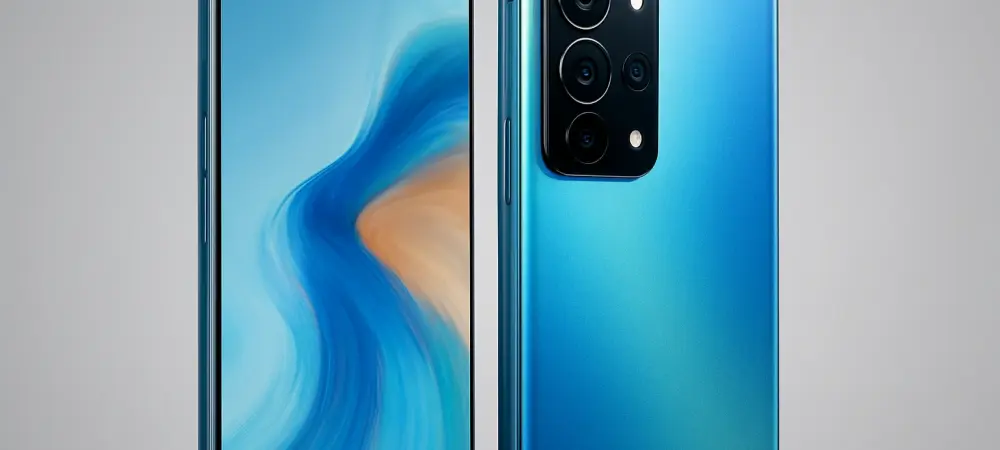
The Oppo Reno 15 Pro is rumored to sport a 6.78-inch flat display with a 1.5K resolution of 1,272×2,772 pixels, delivering sharp and vibrant visuals. What sets this apart are the ultra-thin 1.15mm bezels, creating an immersive viewing experience that maximizes screen real estate. Paired with a durable metal frame, the design emphasizes both aesthetics and sturdiness, appealing to users who value premium build quality.
Dimensionally, the device is expected to measure 161.26×76.46×7.65mm and weigh around 205 grams. This strikes a balance between a large display and portability, ensuring it remains comfortable for daily use. Such specifications suggest that Oppo has prioritized a sleek profile without compromising on screen size, catering to multimedia enthusiasts and professionals alike.
Camera Capabilities for Photography Enthusiasts
Photography remains a cornerstone of the Reno 15 Pro’s appeal, with leaks pointing to a triple rear camera system. This includes a staggering 200-megapixel primary sensor, complemented by a 50-megapixel ultrawide lens and a 50-megapixel periscope telephoto camera for versatile shooting options. Such a setup positions the device as a powerhouse for capturing detailed images across various scenarios.
Additionally, a 50-megapixel front camera is anticipated, promising high-quality selfies and video calls. This focus on imaging excellence underscores Oppo’s intent to compete with top-tier brands in the premium segment. For content creators and casual users alike, the camera system could redefine expectations of smartphone photography.
Hardware and Performance Metrics
Under the hood, the Reno 15 Pro is said to be powered by the MediaTek Dimensity 8450 chipset, featuring a robust core configuration. This includes one prime core clocked at 3.25GHz, three performance cores at 3.00GHz, and four efficiency cores at 2.10GHz, ensuring smooth operation across demanding tasks. Benchmark scores reportedly show 1,684 in single-core and 6,738 in multi-core tests on Geekbench, indicating strong multitasking capabilities.
Storage and memory options are equally impressive, with configurations rumored to reach up to 16GB of RAM and 1TB of internal storage. This caters to power users who require ample space for apps, media, and files. Whether for gaming or productivity, the hardware suggests a device built to handle intensive workloads with ease.
Battery Life and Charging Technology
Battery endurance is another highlight, with speculation of a 6,500mAh capacity supporting the Reno 15 Pro’s power-hungry features. This is paired with 80W wired and 50W wireless fast charging, ensuring minimal downtime for users on the go. Such capabilities align with the needs of modern lifestyles, where constant connectivity is essential.
However, a potential limitation emerges with the rumored inclusion of a USB 2.0 port. In a high-end device, this outdated standard could hinder data transfer speeds, potentially frustrating users who rely on quick file sharing. This aspect may stand out as a minor misstep in an otherwise forward-thinking package.
Trends and Variants in the Series
Beyond the flagship model, Oppo seems to be exploring broader market appeal with a rumored compact variant, possibly named Reno 15C. Featuring a smaller 6.32-inch display, this model targets users who prefer more manageable device sizes without sacrificing modern features. This move reflects a growing trend of diversifying smartphone lineups to address varied consumer demands.
The Reno 15 Pro itself embodies a blend of cutting-edge technology and user-centric design. From high-resolution cameras to a powerful chipset, the device mirrors industry shifts toward multifunctionality in premium smartphones. Oppo’s strategy appears to balance innovation with accessibility, aiming to capture a wide audience.
Practical Applications Across User Groups
For content creators, the Reno 15 Pro’s advanced camera system offers tools to produce professional-grade photos and videos directly from a smartphone. Gamers, too, stand to benefit from the potent hardware, ensuring seamless performance in resource-intensive titles. Meanwhile, professionals can leverage the large storage and multitasking prowess for work-related tasks on the go.
The potential Reno 15C, with its compact form factor, could appeal to those prioritizing ease of handling. Ideal for one-handed use, it might serve as a practical choice for users who value portability over expansive displays. Both models highlight Oppo’s recognition of diverse user needs in today’s dynamic market.
Potential Challenges and Market Hurdles
Despite its promising specs, the Reno 15 Pro faces scrutiny over certain choices, such as the USB 2.0 port. This could detract from the premium experience, especially for tech-savvy users expecting faster connectivity standards. Addressing such concerns at launch will be crucial to maintaining consumer trust.
Competition in the high-end segment poses another challenge, with established players continually raising the bar. Oppo must balance innovation with pricing to remain competitive. Additionally, since much of the information stems from leaks, discrepancies at the official unveiling could shift perceptions of the device’s value proposition.
Final Verdict and Next Steps
Looking back, the Oppo Reno 15 Pro emerges as a formidable contender in the premium smartphone arena, based on the detailed leaks analyzed. Its standout display, exceptional camera array, and robust performance paint a picture of a device ready to challenge industry leaders. Even with minor drawbacks like the slower USB standard, the overall package hints at a well-rounded flagship.
Moving forward, attention should turn to how Oppo addresses the connectivity limitation and positions pricing against rivals. For consumers, awaiting hands-on impressions post-launch on November 17 offers the best path to gauge real-world performance. Exploring the compact Reno 15C variant also presents an opportunity to assess Oppo’s versatility in catering to niche preferences, potentially reshaping expectations for future smartphone releases.