

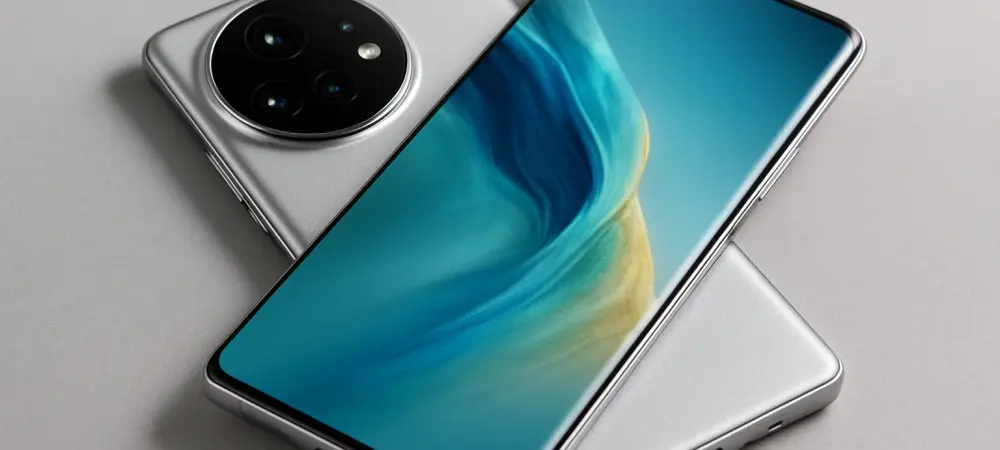
The prevailing wisdom in the smartphone industry has long equated larger screens with superior performance, but a new wave of rumors suggests Oppo is poised to shatter that paradigm with its compact flagship. The compact flagship smartphone represents a sought-after but underserved niche, and this review explores the rumored Oppo Find X9s, its leaked key features, performance expectations, and the potential impact it could have on the market. The purpose of this analysis is to provide a thorough understanding of this anticipated device and its potential to redefine high-performance in a smaller form factor.
An Introduction to the Anticipated Compact Powerhouse
Based on current leaks, the Oppo Find X9s is conceptualized as a compact, no-compromise device within the broader Find X9 series. Its core appeal lies in offering top-tier specifications in a footprint that is more manageable than the large-screen phones dominating today’s market. This positions it as a direct answer to a growing chorus of users who desire flagship power, photography, and battery life without the associated bulk.
The relevance of such a device cannot be overstated. While many manufacturers offer smaller phones, they often come with significant compromises in processing power or camera capabilities. The Find X9s, in contrast, appears to be an attempt to distill the best of flagship technology into a more pocketable form, directly challenging the notion that size is a prerequisite for premium features.
An In-Depth Look at Leaked Specifications
Design Durability and Display
The rumored physical attributes of the Find X9s point toward a premium user experience. A 6.3-inch 1.5K AMOLED display with a 120Hz LTPS refresh rate is expected to deliver vibrant visuals and smooth scrolling, providing flagship-level screen quality in a more compact frame. This technology promises deep blacks and excellent color accuracy while remaining energy efficient.
Further enhancing its premium appeal is the potential for a robust metal frame construction paired with a high-level IP68 or IP69 rating for dust and water resistance. Together, these elements suggest a device built not just for performance but also for longevity and resilience against daily wear and tear, reinforcing its status as a durable, high-end offering.
Next-Generation Performance
At the heart of the Find X9s is the rumored flagship MediaTek Dimensity 9500+ chipset. This next-generation processor is expected to provide the power necessary to drive demanding applications and high-end gaming experiences without compromise. Its advanced architecture should ensure smooth, responsive performance across the board, from intensive multitasking to processing high-resolution media.
This choice of a top-tier chipset is crucial, as it establishes the device’s credentials as a true performance-oriented smartphone. It signals that Oppo is not cutting corners on power, ensuring that users who opt for the smaller form factor do not have to sacrifice the speed and capability they expect from a flagship device.
A Groundbreaking Camera System
The most significant rumored upgrade lies in the camera system, which appears poised to set a new benchmark for compact phone photography. The inclusion of a 200-megapixel primary sensor suggests an incredible level of detail and clarity in photos, allowing for extensive cropping and editing without a loss in quality. This powerful main sensor is reportedly complemented by a 200-megapixel periscope telephoto lens and a 50-megapixel ultra-wide camera. Such a combination, particularly the high-resolution periscope zoom, is almost unheard of in a compact chassis and could provide unprecedented photographic versatility, from expansive landscapes to detailed long-range shots.
Unprecedented Battery and Charging
Perhaps the most startling rumor is the inclusion of a 7,000mAh battery, a capacity rarely seen even in much larger flagship phones. If this proves accurate, it would address one of the primary weaknesses of compact devices: battery life. This massive power cell could easily deliver multi-day usage on a single charge, making it a key selling point.
The implications for user convenience are enormous, effectively eliminating battery anxiety for even the most demanding users. Furthermore, the expected support for wireless charging adds another layer of modern convenience, rounding out a power system that could be truly revolutionary for the compact smartphone category.
Market Trends and Competitive Landscape
The emergence of the Find X9s aligns with a growing consumer demand for smaller phones that do not compromise on features. For years, the market has trended toward larger displays, leaving a gap for users who prioritize portability and one-handed use. This device is positioned to fill that void, offering a compelling alternative to the mainstream.
With its rumored specifications, the Find X9s would enter the market as a formidable competitor to established players. It would directly challenge smaller flagships from Apple and Samsung by offering a potentially superior camera system and vastly better battery life, forcing competitors to re-evaluate their own compact offerings.
Real-World Applications and Target Audience
The practical applications for a device like the Find X9s are clear. It is designed for individuals who value portability without sacrificing performance. This includes professionals who need a powerful device that fits easily in a pocket, photographers who want a capable and discrete camera, and any user who finds current flagships unwieldy.
Its target audience is the discerning consumer who prioritizes a high-end experience in every aspect, from display quality and processing speed to camera versatility and battery endurance. By refusing to compromise on key features, the Find X9s could attract a loyal following among those who have felt overlooked by the industry’s focus on ever-larger phones.
Potential Challenges and Market Hurdles
Despite its promising specifications, the Find X9s faces significant challenges. The technical hurdles of integrating a massive 7,000mAh battery and a complex periscope camera into a small chassis are substantial. Achieving this without creating issues with heat dissipation or device thickness will be a major engineering feat.
Moreover, the speculative nature of these leaks means the final product could differ, and market success is not guaranteed. Potential obstacles include aggressive pricing from competitors and limited regional availability, a factor that has affected the launch of previous Oppo flagships in certain markets.
The Future of Compact Flagships
Should the Oppo Find X9s launch as rumored, it could have a lasting impact on the future of compact smartphones. Its success would prove that it is possible to engineer a small device without cutting critical features, potentially inspiring other manufacturers to invest in similar form factors and shift consumer expectations.
This could lead to further breakthroughs in battery density and miniaturized camera technology, accelerating innovation in the compact segment. In the long term, the Find X9s could be remembered as the device that legitimized the no-compromise compact flagship, reshaping the market for years to come.
Concluding Thoughts and Initial Verdict
This analysis of the Oppo Find X9s’s rumored specifications revealed a device with the potential to fundamentally disrupt the smartphone market. The investigation into its leaked feature set showed a blueprint for a compact flagship that addresses the category’s biggest historical compromises, namely battery life and camera capability. It became clear that if these ambitious specifications materialize, the device would not just be an alternative but a new standard. Ultimately, the Find X9s represented a potential game-changer, one that could have forced the entire industry to reconsider the possibilities of high-performance, feature-rich compact phones.