

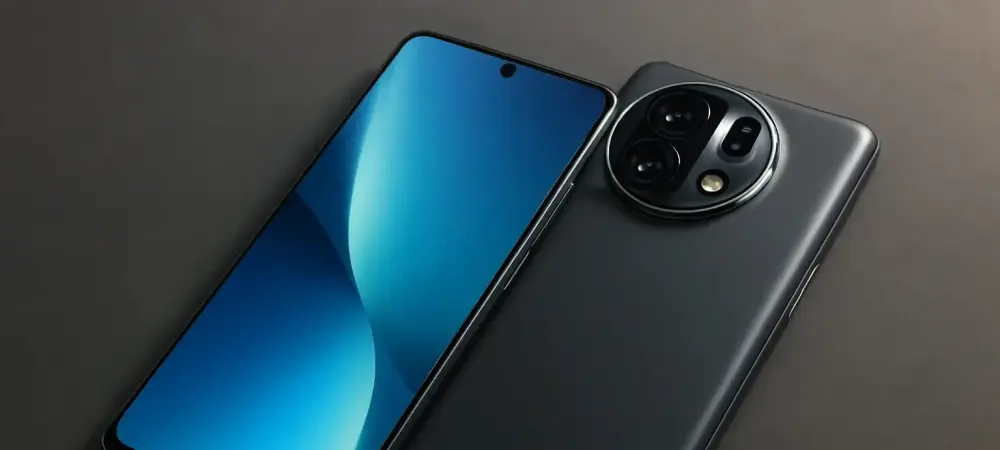
The smartphone market is buzzing with anticipation as Oppo prepares to launch its latest flagship lineup on October 16 in China, and with leaks and teasers painting a picture of groundbreaking technology, the Find X9 series promises to redefine premium devices. This roundup gathers diverse perspectives from industry analysts, tech enthusiasts, and early reviewers to explore the specs, features, and potential impact of the Find X9 and Find X9 Pro. The aim is to provide a comprehensive overview of what various sources are saying about this highly anticipated release, cutting through the hype to deliver balanced insights.
Diverse Perspectives on Performance and Hardware
Multiple sources are highlighting the MediaTek Dimensity 9500 chipset as a standout feature of the Find X9 series. Tech blogs focusing on hardware performance note that this processor is expected to deliver exceptional speed and efficiency, positioning it as a strong rival to other leading chipsets in the market. Benchmarks circulating among industry circles suggest that the Dimensity 9500 could offer significant improvements in multitasking and gaming, appealing to power users.
However, not all opinions are uniformly positive. Some hardware analysts express concerns about thermal management under heavy loads, pointing out that while raw power is impressive, real-world performance hinges on software optimization. Discussions on tech forums indicate a split, with some users eager to see how Oppo handles heat dissipation compared to competitors, while others remain skeptical about sustained performance during prolonged usage.
A third angle comes from productivity-focused reviewers who emphasize the potential for seamless app switching and resource-heavy tasks. Many agree that if Oppo fine-tunes the integration between hardware and software, the Find X9 series could cater to professionals seeking a reliable device for work and play. This diversity in viewpoints underscores the high expectations and critical eyes watching this chipset’s rollout.
Design and Display: Aesthetics Meet Functionality
The design of the Find X9 series, particularly its 6.59-inch 1.5K OLED display with ultra-narrow bezels, has sparked varied reactions. Lifestyle tech channels praise the sleek metallic frame and the slim 7.99mm profile, noting how the flat back panel and square camera module create a modern, minimalist look. The IP66/IP68/IP69 dust and water resistance ratings are often cited as a practical bonus for users with active lifestyles.
On the flip side, some design critics argue that adopting flat panels might sacrifice the ergonomic feel of curved edges, which could affect user comfort during extended holding. Online communities focused on premium smartphones debate whether the balance of aesthetics and durability will hold up against wear and tear, especially given the competitive push for ever-thinner devices in this segment.
Another perspective emerges from accessibility advocates who highlight the importance of the lightweight 203-gram build for ease of use. Combined with features like the “1-nit All-Scenes Eye Protection Screen,” there’s a consensus that Oppo is targeting a broad audience concerned with both style and eye comfort. These differing takes reveal a complex conversation around how design choices resonate with varied user needs.
Camera Capabilities: Hasselblad Partnership Under Scrutiny
The camera system, enhanced by a collaboration with Hasselblad, is generating significant chatter across photography circles. Enthusiasts are excited about the quad-rear setup on the standard Find X9, featuring a 50-megapixel Sony LYT808 sensor, while the Pro model’s rumored 200-megapixel periscope telephoto lens is hailed as a potential game-changer for zoom capabilities. Many sources commend Oppo for addressing the growing demand for professional-grade imaging in smartphones.
Yet, skepticism persists among some photography experts who caution that high megapixel counts don’t guarantee superior image quality. Discussions on social platforms often pivot to the importance of software processing and low-light performance, with users eager to see real-world samples before passing judgment. The consensus is that Hasselblad’s involvement raises expectations for color accuracy and dynamic range, but the proof will be in the output.
A contrasting view comes from casual users and vloggers who focus on the 32-megapixel front camera for selfies and video calls. Many appreciate the potential for high-quality content creation without needing additional gear, though some worry about over-processing in portrait modes. This spectrum of opinions illustrates how the camera system appeals to both serious photographers and everyday users, with results yet to be fully tested.
Battery and Software: User Experience in Focus
Battery life is another hot topic, with the Find X9’s 7,025mAh capacity and the Pro’s 7,500mAh drawing praise from tech reviewers focused on endurance. Sources tracking industry trends note that the 80W wired and 50W wireless charging options align well with consumer needs for quick power-ups. There’s optimism that these specs could set a new standard for flagship longevity in daily use.
However, some battery technology analysts point out that raw capacity isn’t the full story. Conversations in tech podcasts suggest that efficiency in power management through ColorOS 16 will be critical, especially for users running intensive apps. There’s curiosity about whether Oppo will incorporate advanced silicon-carbon battery tech in the near future to further push boundaries.
A different angle comes from user experience commentators who spotlight features like the ultrasonic fingerprint sensor for added security and convenience. Many sources also mention the modern interface expected from Android 16-based ColorOS 16, predicting a smooth and intuitive operation. These varied insights reflect a shared interest in how battery and software elements combine to enhance overall usability for different demographics.
Market Impact and Global Expansion Buzz
Speculation about the Find X9 series’ market impact is rife, especially with sightings on the Bureau of Indian Standards website hinting at an imminent release in India. Global tech market watchers suggest that Oppo’s expansion strategy targets key regions with growing demand for high-end devices, potentially challenging established players. The excitement is palpable in online discussions about how this series could shift consumer preferences.
Divergent opinions surface from regional analysts who debate the pricing strategy’s role in adoption. While some predict that competitive pricing could make the Find X9 a hit in price-sensitive markets, others warn that premium positioning might limit its reach unless paired with aggressive marketing. Forums reveal a split between those who see Oppo gaining ground and those cautious about consumer trust in newer chipsets like the Dimensity 9500.
Another viewpoint focuses on the differentiation between the standard and Pro models, with budget-conscious reviewers advising potential buyers to weigh camera and battery needs against cost. This range of perspectives highlights the complexity of predicting market reception, especially as Oppo navigates diverse global expectations and rival flagships.
Reflecting on the Roundup Insights
Looking back, this compilation of opinions paints a multifaceted picture of the Oppo Find X9 series, capturing excitement around its powerful MediaTek Dimensity 9500 chipset, innovative Hasselblad-branded cameras, and robust battery capacities. The discussions reveal a blend of optimism and caution, with experts and users alike weighing the potential of cutting-edge design against practical concerns like thermal performance and image processing. For those intrigued by these insights, exploring hands-on reviews post-launch or comparing the series with rival devices offers a practical next step. Keeping an eye on official global release announcements will also help in making informed decisions, ensuring buyers align their needs with the right model.