

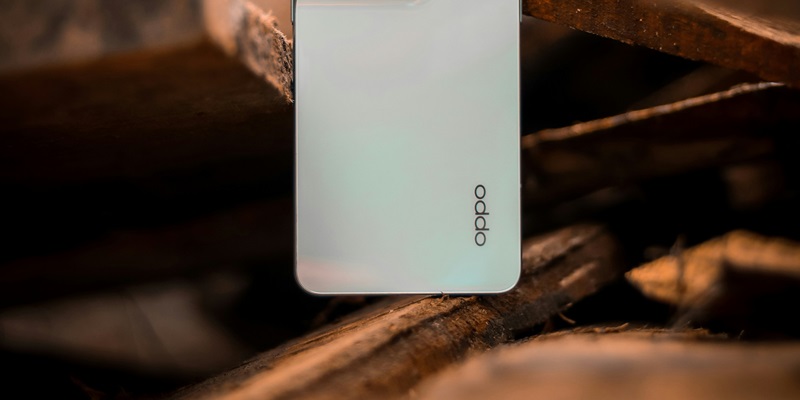
The highly anticipated OPPO Find X8 series is set to make a significant impact in the smartphone market, featuring a range of options tailored to different user preferences, particularly in regards to display sizes. This new lineup is expected to continue OPPO’s legacy of high-quality design and cutting-edge technology. The series will include three models: the Find X8, Find X8 Pro, and Find X8 Ultra. Each model promises to deliver distinct features, ensuring there is something for every consumer, whether they prefer a more compact device or seek a phone with a larger, highly advanced display.
Varied Display Sizes to Cater to Everyone
One of the standout elements of the OPPO Find X8 series is the variance in display sizes, which aims to meet the needs of a diverse user base. The Find X8 is rumored to have the smallest display of the trio, featuring a screen no larger than 6.6 inches. Despite its more compact design, the Find X8 boasts a resolution closely matching that of its larger sibling, the Find X8 Pro, at 2760 x 1256 pixels. This ensures that even the more compact model does not compromise on visual clarity and performance.
On the other end of the spectrum are the Pro and Ultra variants, both of which are expected to offer larger displays. The Find X8 Ultra is anticipated to retain the same 6.8-inch screen as its predecessor, the Find X7 Ultra, with a resolution of 3168 x 1440 pixels. The Find X8 Pro, while also featuring a large screen, is expected to have a slightly less advanced display, with a resolution of 2780 x 1264 pixels. Despite the differences in resolution, both models are projected to deliver exceptional visual experiences, bolstered by their premium build quality and advanced display technology.
Cutting-Edge Screen Technology
A significant feature that all three models in the OPPO Find X8 series are expected to share is the use of quad-curved screens made with advanced 8T LTPO technology. This technology is known for its superior visual performance and energy efficiency, making it a standout feature in the series. It showcases OPPO’s commitment to providing high-end, visually stunning displays across all models. This emphasis on screen quality ensures that users will enjoy a premium viewing experience, regardless of which model they choose.
In addition to the cutting-edge display technology, the overall design and build of the Find X8 series is expected to be top-notch. The Find X8 Ultra is rumored to forgo the two-tone vegan leather design seen in its predecessor, the Find X7 Ultra, indicating a shift towards a more streamlined and possibly more universally appealing aesthetic. This change could signal OPPO’s intention to refine its design language and offer a more cohesive and modern look across the series.
A Legacy of Innovation
The eagerly awaited OPPO Find X8 series is poised to make a huge splash in the smartphone landscape, presenting a variety of options that cater to different user needs, especially when it comes to screen sizes. Continuing OPPO’s tradition of sleek design and state-of-the-art technology, this new series is highly anticipated by tech enthusiasts and everyday users alike. The lineup consists of three distinct models: the Find X8, Find X8 Pro, and Find X8 Ultra. Each of these models is designed to offer unique features, ensuring a tailored experience for every type of user. Whether you prefer a more compact phone or desire a device with a larger, cutting-edge display, the Find X8 series has something to offer. The base model, Find X8, is expected to appeal to those who appreciate a balance of size and performance. The Find X8 Pro will likely attract users looking for enhanced specs and a slightly larger screen. Finally, the Find X8 Ultra is expected to cater to those who want the ultimate display and top-tier performance in their device.