

Dominic Jainy brings a sophisticated perspective to the fast-moving world of mobile technology, blending his deep knowledge of artificial intelligence with a keen eye for hardware innovation. As an IT professional who monitors the convergence of high-end silicon and consumer electronics, he is the perfect expert to dissect the latest leaks surrounding Oppo’s upcoming flagship. This discussion explores the massive technological leap represented by a triple 200-megapixel camera array, the sheer power of the first 2-nanometer chipsets, and how these advancements aim to redefine the premium smartphone experience for enthusiasts worldwide.
What does the integration of three distinct 200-megapixel sensors signify for the future of mobile photography and high-end engineering?
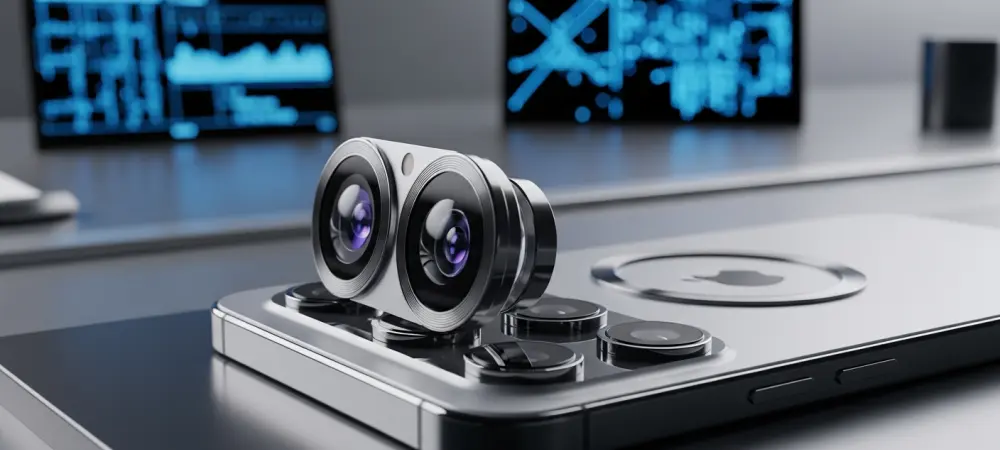
The shift toward a triple 200-megapixel setup represents a bold move to eliminate the quality gap that usually exists between primary and secondary lenses. By utilizing a 1/1.3-inch primary sensor, a 1/1.5-inch ultra-wide, and a 1/1.3-inch periscope telephoto, Oppo is ensuring that users get high-resolution clarity regardless of their focal length. You can imagine the precision required to fit these massive sensors into an engineering prototype while maintaining the device’s internal balance. This consistency means that a zoomed-in shot or a wide landscape will possess the same level of forensic detail, allowing for massive crops without losing the crisp edges of the subject.
How will the adoption of a 2-nanometer MediaTek Dimensity 9600 Pro chipset impact the daily performance of such a resource-heavy device?
Driving a 6.89-inch BOE LTPO OLED display with a 144Hz refresh rate requires an incredible amount of computational throughput that only a 2-nanometer process can efficiently provide. This chipset is the backbone that allows the phone to process 200-megapixel data streams in real-time without the hardware overheating or stuttering. When you interact with the 2K resolution screen, the chip ensures that every swipe feels instantaneous, managing the heavy demands of the BT.2020 color gamut with ease. It is about creating a seamless bridge between the raw power of the silicon and the vivid, fluid visual experience the user sees on the glass.
With mentions of a cup-shaped design and narrow bezels, how do you expect the physical aesthetics to complement the high-end internal hardware?
The rumored “cup-shaped” design suggests a more ergonomic and tactile approach to a flagship that could otherwise feel quite bulky given its large 6.89-inch screen. This unique form factor, combined with extremely narrow bezels, likely creates an immersive sensation where the display appears to melt into the frame of the device. There is a sensory satisfaction in holding a piece of hardware that feels premium and intentional, rather than just a slab of glass and metal. It reflects a design philosophy where the physical beauty of the handset matches the sophisticated internal engineering of the camera module.
How do the multispectral sensor and the new software environment enhance the overall imaging and user experience?
The inclusion of a 3-megapixel multispectral sensor is a subtle but vital addition that focuses on the science of light and color reproduction. It works behind the scenes to help ColorOS 17 and Android 17 interpret complex lighting scenarios, ensuring that skin tones and environmental colors look natural rather than artificially saturated. This is particularly important when you are also balancing a 50-megapixel autofocus front camera, which needs to deliver professional-grade clarity for video calls and selfies. The software must harmonize these hardware elements, turning raw sensor data into an emotional, visually accurate representation of the moment.
What is your forecast for the high-end smartphone market?
I expect this release to trigger a significant shift where “ultra-flagships” are defined by sensor parity across all lenses rather than just a single impressive main camera. If Oppo successfully launches this device during the September to October window, it will force competitors to move away from smaller secondary sensors and adopt larger, high-resolution arrays. We are moving toward a period where mobile devices are no longer just “good enough” for photography but are legitimate replacements for dedicated high-end imaging gear. This trend will likely solidify 200-megapixel sensors as the benchmark for any device claiming the “Pro Max” or “Ultra” title in the coming year.