

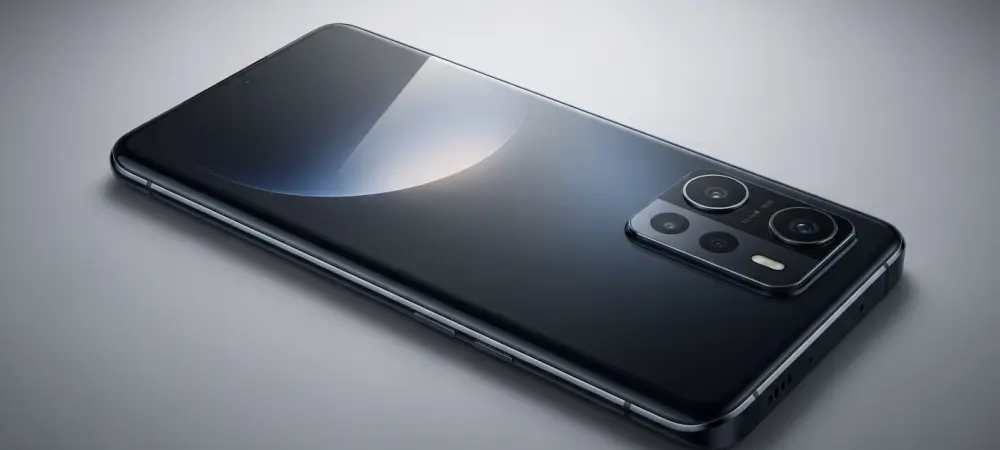
The Next Frontier of Mobile Innovation: Setting the Stage for the Find X10 Series
The relentless pursuit of hardware perfection often leads to stagnant designs, yet the latest leaks surrounding the Oppo Find X10 suggest a radical departure from the ordinary. As the smartphone market reaches a plateau of incremental updates, Oppo appears ready to disrupt the status quo with its upcoming flagship debut this October. The series isn’t just another seasonal refresh; it represents a calculated attempt to reclaim the crown in the high-stakes premium hardware space. By prioritizing extreme display fluidness and massive sensor resolution, Oppo is signaling a shift toward a power-user first philosophy that could redefine consumer expectations for the final quarter of the year. Industry observers suggest that this strategy focuses on the standard, Pro, and Pro Max models to ensure a comprehensive reach across the luxury segment. This bold move aims to capture the attention of those who feel that recent mobile innovations have lacked a truly transformative edge.
Engineering a Powerhouse: Deconstructing the Leaked Hardware Architecture
Ultra-Fluid Visuals: How the 165Hz Panel Redefines the Mobile Interface
The leap from the industry-standard 120Hz to a blistering 165Hz on a flat 1.5K panel marks a significant pivot for Oppo’s design language. While high refresh rates are often relegated to niche gaming handsets, integrating this tech into a mainstream flagship suggests a desire to provide the smoothest UI experience available. However, this move invites intense debate regarding the trade-off between visual fidelity and battery efficiency, forcing engineers to balance sheer speed with sophisticated power management software.
The Silicon Backbone: Dimensity 9600 and the Pursuit of Extreme Endurance
Rumors point toward the unannounced MediaTek Dimensity 9600 chipset as the heart of the Find X10, signaling a continued partnership that challenges the traditional dominance of Snapdragon-led flagships. This processing power is expected to be paired with a staggering 8,000mAh battery capacity, a figure that would effectively double the lifespan of many current competitors. This shift addresses a critical pain point for modern users, though it raises questions about the physical dimensions and weight distribution of the device.
The 200-Megapixel Resolution War: Beyond Mere Pixel Counting
At the core of the Find X10’s appeal is a primary 200-megapixel sensor, supported by a rigorous A/B testing phase for its periscope telephoto lens. By weighing the Samsung HP5 sensor against more traditional 64-megapixel optics, Oppo is clearly prioritizing high-level optical zoom and post-capture cropping flexibility. This strategy challenges the assumption that smaller, optimized sensors are always superior, instead betting on raw data capture to deliver professional-grade mobile photography through advanced computational processing.
Disrupting the Flagship Hierarchy: Positioning the Find X10 in a Crowded Market
The Find X10 series enters a landscape dominated by established giants, yet its unique focus on 165Hz displays and massive battery reservoirs provides a distinct competitive edge. Unlike competitors who focus on ecosystem lock-in, Oppo is leaning into spec-sheet supremacy to attract enthusiasts who demand the highest possible hardware ceilings. This comparative advantage may force other manufacturers to accelerate their own development cycles to keep pace with these emerging hardware standards.
Navigating the Hype: Strategic Insights for Potential Early Adopters
The leaked specifications suggest that the Find X10 will be a specialized tool for mobile gamers and photography enthusiasts who require maximum performance overhead. Potential buyers should keep a close eye on how Oppo manages the thermal output of the Dimensity 9600, as sustained 165Hz performance will likely test the limits of mobile cooling systems. To get the most out of this hardware, users should prepare to embrace high-bandwidth content and cloud-based storage solutions to accommodate the massive file sizes generated by the 200MP imaging system.
Final Thoughts on Oppo’s Bold Evolution in Mobile Tech
The Oppo Find X10 series stood as a testament to the brand’s ambition to outpace the current trajectory of smartphone development. By merging extreme display speeds with a high-resolution camera ecosystem, the manufacturer did not just release a phone; they made a definitive statement about the future of mobile capability. Early adopters found it necessary to upgrade their local networking hardware to handle the massive data throughput these devices required. Consumers moved toward evaluating devices based on sustained performance metrics rather than peak theoretical numbers. The industry shifted its focus to high-density battery chemistry to support these demanding refresh rates. Future buyers benefited from comparing real-world thermal benchmarks before committing to such high-spec hardware.