

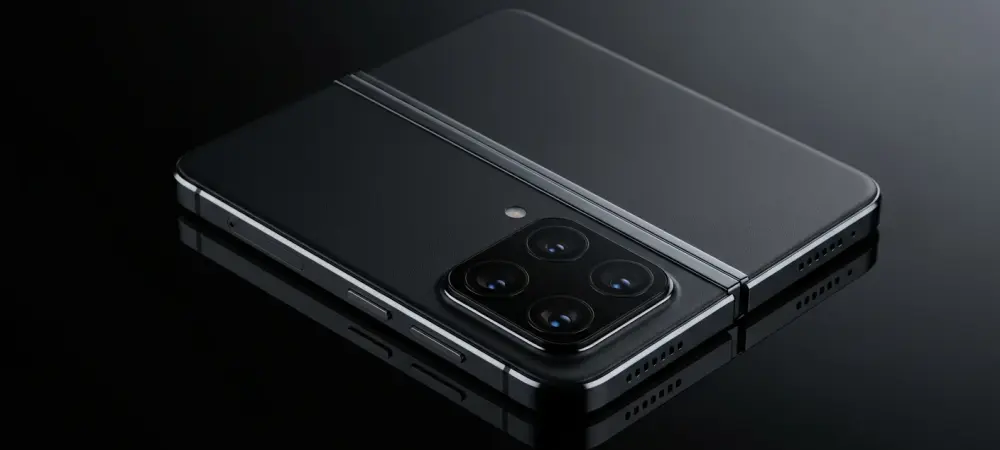
Leaked specifications for an upcoming foldable suggest a device poised not just to compete but to completely redefine the benchmarks for power, photography, and endurance in the mobile industry. The foldable smartphone market represents a significant advancement in the mobile technology sector, and this review will explore the rumored evolution of Oppo’s line with the Find N6, delving into its key leaked features to provide an understanding of its potential capabilities and place in future market developments.
The Next Contender in the Foldable Arena
The Oppo Find N6 is emerging through leaks as a formidable book-style foldable, positioned to challenge the market’s established leaders. Its rumored specifications paint a picture of a next-generation flagship designed to address common foldable compromises, suggesting a device built not merely to participate in the market but to lead it with a truly uncompromised experience.
A Deep Dive into Leaked Specifications
Next-Generation Powerhouse Performance
At its core, the Find N6 is rumored to house the unannounced Qualcomm Snapdragon 8 Elite Gen 5 chipset, promising class-leading performance for intensive multitasking and gaming. This power is expected to be paired with up to 16GB of RAM and 1TB of storage, ensuring a fluid user experience free from performance bottlenecks.
Immersive Displays and Premium Build
A versatile viewing experience is suggested by the rumored dual-screen setup, featuring an expansive 8.12-inch LTPO UTG inner display and a practical 6.62-inch cover screen. Despite these large displays, the device is anticipated to weigh a relatively light 225g and come in premium colors like Original Titanium, Deep Black, and Golden Orange.
A New Benchmark for Foldable Photography
The Find N6 is tipped to feature a groundbreaking triple-camera system headlined by a massive 200-megapixel primary sensor and two 50-megapixel secondary cameras. A rumored 2-megapixel multispectral sensor designed to improve color accuracy further enhances this array, demonstrating a commitment to photographic excellence.
Redefining Endurance with a Dual-Cell Battery
Addressing a critical pain point for foldables, the Find N6 reportedly incorporates a dual-cell battery with a massive 5,850mAh total capacity. This substantial power reserve has the potential to deliver true all-day battery life, making the device a more reliable companion for demanding users.
Pushing Boundaries with New Innovations
Beyond its core specifications, the device is rumored to include Beidou satellite communication, a cutting-edge feature enabling messaging in remote locations without cellular service. This integration marks a pivotal shift toward ubiquitous connectivity, transforming the smartphone into a more resilient communication tool.
Real-World Applications and Use Cases
The rumored technology translates into diverse practical applications, serving as a productivity powerhouse for professionals and an immersive media device for enthusiasts. Its most unique use case is for adventurers, where long battery life and satellite connectivity offer an invaluable tool for off-the-grid safety.
Potential Hurdles and Market Challenges
It is crucial to remember that these specifications are based on unconfirmed leaks. The device faces significant hurdles, including the immense technical challenges of integrating such advanced hardware and a likely premium price tag that will test its appeal against established competitors in the foldable market.
An Outlook on the Foldable Future
If the rumors prove accurate, the Find N6 could catalyze a major shift in the market by setting new standards for camera, battery, and processing power in a foldable. This would challenge competitors to accelerate their own innovations, potentially forcing the entire industry to pursue more substantial technological advancements.
Final Verdict: A Glimpse of What’s to Come
The potential of the Oppo Find N6 to be a transformative device is immense, with a rumored feature set that addresses key foldable compromises. If these leaks hold true, the Find N6 stands to redefine consumer expectations, setting a new, much higher standard for what a flagship smartphone can be.