

The Chinese technology company Oppo has announced that it is expanding its partnership with the UEFA Champions League and has appointed the former Brazilian football star Kaka as its global brand ambassador. The company, which has become known for its high-quality smartphones and telecommunications devices, will be collaborating with Kaka in various events across the globe to promote its brands and its flagship smartphones.
Kaka’s participation in Oppo’s promotional events and media activities began with his visit to Indonesia on June 3 and China on June 5, before meeting with global fans in Istanbul, Turkey. The footballer, who was part of the Milan team that won the Champions League final in 2007 against Liverpool, expressed his excitement at working with a global technology leader like Oppo. Kaka is well-respected in the football community and has become a popular figure worldwide since retiring from the sport in 2017.
Kaka’s collaboration with Oppo comes as part of the company’s ongoing efforts to expand its global presence and increase brand recognition. The company’s current partnership with the UEFA Champions League provides it with a significant opportunity to showcase its products and services to a worldwide audience. The agreement allows Oppo to access a diverse range of promotional opportunities, including event branding, digital advertising, social media campaigns, and media promotion.
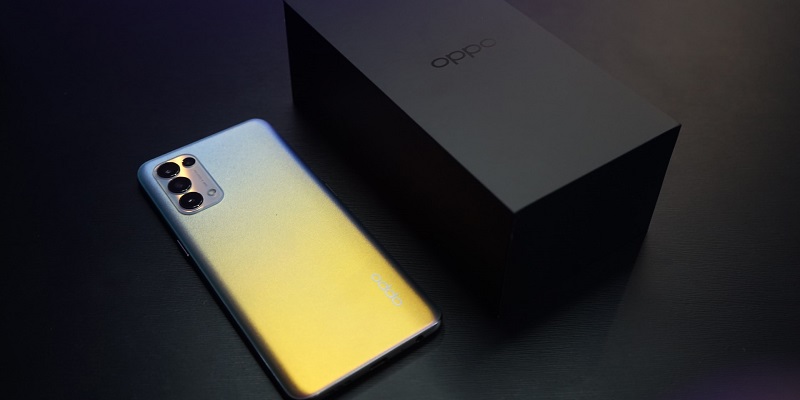
Kaka’s planned visit to Istanbul coincides with the UEFA Champions League final, which is set to take place in the city on June 10 at the Ataturk Stadium. The footballer is expected to attend the game and participate in various pre- and post-match events, including fan engagement activities and media interviews. It is believed that Oppo will use this opportunity to launch its latest flagship smartphone, the Oppo Find X3 Pro, which is expected to be unveiled during the event.
Kaka’s achievements as a footballer are numerous, as he played for some of the top European teams during his career. In addition to being a part of Milan’s 2007 Champions League triumph, he also won the Ballon d’Or (Golden Ball) in the same year, recognizing him as the world’s best football player. Kaka then played for Real Madrid, where he won the Spanish La Liga. He later returned to Milan for a year before finishing his career with Orlando City in the United States.
Commenting on Kaka’s appointment as the Oppo brand ambassador, Elvis Zhou, Oppo Overseas CMO, said, “We are thrilled to have Kaka join our team. His achievements on the field are known to all, and his expertise and perseverance represent what we look for in our ambassadors. We can’t wait to see the impact he’ll have on our brand and the campaigns we’ll work on together.”
In conclusion, Oppo’s partnership with the UEFA Champions League and the appointment of Kaka as its global brand ambassador highlight the importance of sport and technology in today’s world. With the growing influence of social media and the ever-increasing importance of digital communications, the company’s collaboration with Kaka is sure to make a significant impact on its global visibility and brand recognition. As the football community prepares for the Champions League final in Istanbul, all eyes will be on Oppo and its exciting new product offerings.