

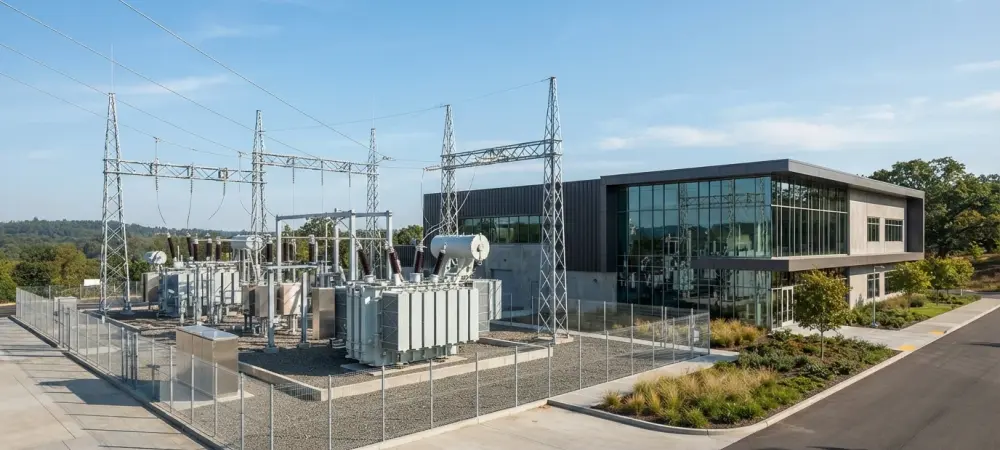
OpenAI’s Grid Protectors Program marks a shift toward more proactive public relations as the company seeks to build its next generation of hardware. This initiative, specifically unfolding in regions like Effingham County, Georgia, signifies a departure from the industry-standard nomenclature that has increasingly become a lightning rod for community dissent. As artificial intelligence models grow in complexity, the physical infrastructure required to sustain them has expanded into massive industrial zones, drawing heavy criticism for their astronomical energy consumption and impact on local resources. By rebranding these facilities as “compute campuses,” the organization aims to redefine the narrative surrounding its physical footprint, positioning these sites as integrated community assets rather than isolated industrial drains. This linguistic pivot is not merely about optics; it represents a strategic effort to present a new model of industrial development that promises to support local power grids during periods of peak demand or extreme weather events.
Redefining Infrastructure through the Grid Protectors Initiative
The transition toward the compute campus model suggests a more nuanced approach to energy management than the traditional data center framework allows. OpenAI argues that these modernized campuses utilize advanced software-defined power systems that can shed load or contribute power back to the regional grid during emergencies. Unlike older facilities that operated as constant, non-negotiable consumers of electricity, these newer installations are designed to behave as flexible nodes within a larger energy ecosystem. This flexibility is the cornerstone of the Grid Protectors Program, which seeks to prove that high-density computing can exist in harmony with residential utility needs. In Georgia, for instance, the company has emphasized its ability to curtail operations during heatwaves to prevent rolling blackouts. By framing the conversation around grid stability and cooperative utility management, the company hopes to convince skeptical local governments that hosting AI hardware provides a net benefit to the stability of the public infrastructure.
Community Pushback and the Competitive Landscape of AI Growth
Despite these rebranding efforts, the strategy has met with significant resistance from environmental advocacy groups and community leaders who remain wary of the underlying physical reality. Organizations such as the NAACP’s Center for Environmental and Climate Justice and the activist group PauseAI US have been vocal in their skepticism, arguing that changing a name does nothing to reduce the billions of gallons of water used for cooling or the potential for rising electricity rates for local residents. These critics point out that while a “campus” sounds more academic or communal, the carbon intensity of the hardware remains a pressing concern that requires technological solutions rather than linguistic ones. Meanwhile, competitors like Anthropic have taken a different route by directly funding local renewable energy projects and upgrading aging water treatment plants in the areas where they operate. This creates a competitive environment where the industry is being forced to choose between sophisticated messaging strategies and direct, tangible investments into the very ecosystems they utilize for their expansion.
Moving Toward a Sustainable Model for Compute Campuses
The industry reached a pivotal moment where the physical constraints of the planet dictated the pace of digital innovation. To move forward, it became clear that companies had to transition from superficial rebranding toward deep-seated structural transparency. Effective strategies required the integration of on-site carbon capture and the adoption of closed-loop cooling systems that eliminated the drain on municipal water supplies. Stakeholders suggested that future developments should have prioritized the establishment of community oversight boards with the power to audit energy usage in real-time. By moving beyond simple name changes, the sector found it necessary to engage in legally binding agreements that guaranteed a portion of new energy generation was funneled back into low-income residential areas. These actions demonstrated that long-term viability depended on a genuine synthesis of technological growth and environmental stewardship. Ultimately, the successful integration of AI infrastructure relied on a fundamental shift from viewing communities as mere hosts to treating them as active partners in the technological evolution.