

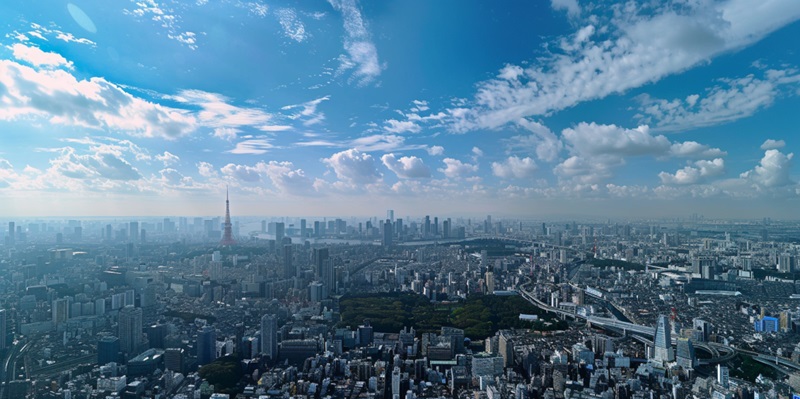
OpenAI has strategically chosen Tokyo to launch its Asian operations, recognizing the city’s strong tech reputation. By establishing an office in this hub of innovation, OpenAI is not only expanding its geographic footprint but also demonstrating a commitment to Japan’s advanced technology sector. The office will cater to the unique artificial intelligence requirements of the Asian market. Leading the charge is Tadao Nagasaki, appointed as the president of OpenAI Japan. Nagasaki’s vision is to combine OpenAI’s AI capabilities with Japan’s enthusiasm for technological progress, fostering a synergistic relationship that will benefit the region’s tech landscape. This initiative reflects OpenAI’s recognition of Tokyo’s significance in the global tech arena and its potential to greatly influence AI development in Asia.
Tailoring AI for the Japanese Market
The introduction of a custom GPT-4 model optimized for Japanese users marks a monumental leap in localized AI technology. This model isn’t just a token nod toward inclusivity; it signifies a deep commitment to catering to the unique linguistic nuances of the Japanese language. The result is a sophisticated tool that outshines its predecessors with features boasting enhanced translation accuracy, superior summarization qualities, and a tripling in speed, delivering cost-effective AI solutions that resonate with the intricacies of the vernacular. These advancements are not merely theoretical but find practical application in various sectors. For instance, the English learning application Speak has integrated this technology to provide quicker, more budget-friendly tutor feedback, showcasing the model’s immediate and measurable impact.
Beyond educational tools, Japan’s corporate giants are not far behind. Companies like Daikin, Rakuten, and TOYOTA Connected have adopted OpenAI’s ChatGPT Enterprise to revolutionize their business operations. These major firms are harnessing the power of AI to streamline data analytics, automate internal reporting processes, and refurbish the way they conduct business. The knock-on effect is one of enhanced efficiency and productivity, providing a competitive edge in a market that is perpetually evolving. On the civic front, municipal governments are also in synchronization with this technological march. Yokosuka City exemplifies this adoption, where local government services have been upgraded through AI, reportedly boosting productivity levels across a majority of their staff, redefining public service delivery standards.
A Shared Ethical Vision
OpenAI’s arrival in Japan is underscored by a shared ethos concerning the development of AI ethics. Japan has been proactive in fostering AI policies that emphasize human dignity and the broader well-being of society. Initiatives like the Hiroshima AI Process reflect the nation’s resolve to steer AI development along an ethical compass. This approach dovetails with OpenAI’s own philosophy and mission to shape AI in a manner that is consonant with enhancing human capability while addressing salient societal challenges. Japan’s aging population and labor shortages stand as testament to the potential relief AI innovation can bring. OpenAI’s expansion into Tokyo represents more than a physical establishment; it mirrors a collaborative vision to embed ethical considerations at the heart of AI advancements, ensuring the technology is harnessed as a force for widespread and equitable benefit.