

The relentless pursuit of multi-day battery life in smartphones has often felt like a distant dream, yet OnePlus is poised to challenge that reality with its aggressively specified Turbo model. In a mid-range market defined by incremental upgrades and fierce competition, this upcoming device aims to carve out a significant niche by prioritizing endurance above all else. This review analyzes the OnePlus Turbo based on official teasers and credible leaks, exploring its potential to disrupt the status quo and reset consumer expectations for what a mid-range smartphone can deliver.
The Official Teaser First Glimpse of the Turbo
The initial reveal of the OnePlus Turbo arrived with calculated mystique via the Chinese social media platform Weibo. Rather than a full unveiling, the company opted for a teaser campaign, confirming the device’s existence and promptly opening pre-orders on the Oppo online store. This strategy effectively builds anticipation by confirming the product’s imminent arrival while deliberately withholding key details like the launch date, official specifications, and color options.
This limited disclosure has successfully generated significant discussion within the tech community. By allowing consumers to reserve a unit for a nominal fee without providing a complete picture, OnePlus is banking on the strength of its brand and the intrigue of the “Turbo” moniker. It is a classic marketing approach designed to stoke curiosity and ensure the device remains a topic of conversation leading up to its formal launch.
Deconstructing the Device A Deep Dive into Rumored Specifications
Design and Display Excellence
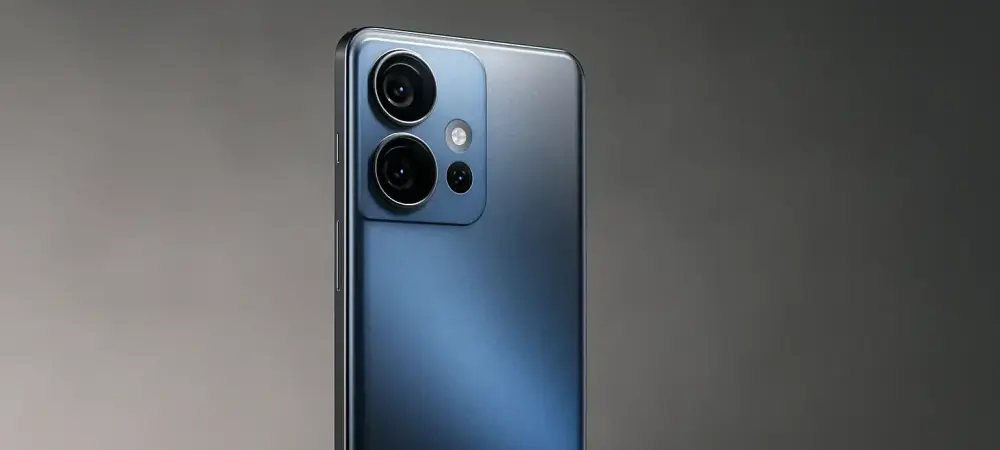
Based on purported renders, the OnePlus Turbo appears to adopt a functional and modern aesthetic. The device is expected to feature a plastic rear panel, shown in a vibrant green variant, which likely helps offset the weight of its massive internal components. The ergonomic design includes a conventional button layout with power and volume controls on the right side, while a square camera module houses a dual-lens system, suggesting a focus on core functionality over superfluous sensors.
The centerpiece of the user experience is rumored to be a large 6.8-inch AMOLED display. This screen is poised to be a major selling point, reportedly boasting a sharp 1.5K resolution and an exceptionally smooth 144Hz refresh rate. Such specifications are typically reserved for high-end gaming phones, indicating that OnePlus is targeting a premium visual experience that excels in both media consumption and interactive content.
Core Performance and Processing Power
At the heart of the OnePlus Turbo is a rumored Qualcomm Snapdragon 7 series chipset, a processor family known for balancing capable performance with energy efficiency. While the exact model remains unconfirmed, its inclusion signals a commitment to providing a fluid user experience for everyday tasks, multitasking, and moderate to heavy gaming. This choice of silicon is critical for a mid-range device aiming to deliver flagship-level features without an exorbitant price tag.
The processor’s capabilities will be instrumental in handling the high-refresh-rate display and ensuring that the overall system remains responsive. For the target user, this means smooth navigation, quick app loading times, and the ability to run demanding applications without significant lag, solidifying the phone’s position as a reliable daily driver.
The Endurance Champion Battery and Charging
The most remarkable rumored feature of the OnePlus Turbo is its colossal 9,000mAh battery. A capacity of this magnitude is virtually unheard of in a mainstream smartphone and represents the device’s core identity as an endurance champion. This battery is designed to provide genuine multi-day usage, liberating users from the constant need to search for a power outlet and appealing directly to those who prioritize longevity above all else.
Complementing this massive power source is a reported 80W wired fast charging capability. While not the fastest on the market, this technology is crucial for making such a large battery practical. It ensures that replenishing the 9,000mAh cell will not be an overnight affair, allowing users to get a substantial charge in a relatively short period.
Redefining the Mid Range Emerging Industry Trends
The specifications of the OnePlus Turbo align perfectly with a growing industry trend where features once exclusive to flagship devices are migrating to the more accessible mid-range segment. Consumers increasingly expect premium experiences like high-refresh-rate displays and substantial battery life without paying a premium price. The Turbo’s rumored 144Hz screen and 9,000mAh battery are prime examples of this market shift.
This trend is driven by heightened competition and maturing technologies, forcing manufacturers to differentiate their products with more compelling features. By packing the Turbo with such standout specifications, OnePlus is not only responding to consumer demand but also actively pushing the boundaries of what is considered standard for a mid-range phone.
Market Strategy and Global Ambitions
The OnePlus Turbo is clearly aimed at a specific demographic: power users and mobile gamers who demand uncompromising battery life. These users often engage in marathon gaming sessions or rely on their devices for constant connectivity and productivity, making endurance a non-negotiable feature. The phone’s powerful display and robust battery make it an ideal candidate for this audience.
Furthermore, reports suggest the OnePlus Turbo may not remain a China-exclusive device. It is widely speculated to launch globally, potentially as part of the popular OnePlus Nord lineup, especially in key markets like India. This strategy would allow OnePlus to leverage the Nord brand’s strong reputation for value while introducing a unique, endurance-focused option to a wider international audience.
Potential Challenges and Unanswered Questions
Despite its promising specifications, the OnePlus Turbo faces significant hurdles. The primary technical challenge lies in managing the physical size and weight of a 9,000mAh battery; creating a device that is not excessively bulky or heavy will be a critical design test. A large battery can also present thermal management issues, especially during intensive tasks and fast charging.
Beyond the hardware, several key questions remain unanswered. The quality of the camera system, the refinement of the software experience, and, most importantly, the final pricing strategy will be decisive factors in its market success. Without compelling performance in these areas, even a class-leading battery may not be enough to win over discerning consumers.
Future Outlook Setting a New Mid Range Standard
The OnePlus Turbo has the potential to set a new benchmark for battery life in the mid-range smartphone market. If successful, it could compel competing manufacturers to reconsider their own battery capacity standards, leading to a new wave of devices focused on extreme endurance. This would represent a significant shift in design priorities across the industry.
In the long term, the phone’s impact may accelerate the development and adoption of more efficient battery technologies and charging solutions. As consumer expectations for longevity grow, the industry will be pushed toward innovations that can deliver multi-day power without the associated compromises in size and weight, shaping the trajectory of smartphone evolution.
Initial Verdict A Formidable Contender on the Horizon
Based on the available information, the OnePlus Turbo shaped up to be a highly specialized and formidable contender in the mid-range arena. Its rumored 9,000mAh battery and 144Hz display were ambitious specifications that directly addressed a major consumer pain point: battery anxiety. It represented a bold move to create a device with a clear and compelling identity. However, its ultimate success depended on OnePlus’s ability to balance this extreme endurance with practical ergonomics, a competitive price, and a well-rounded user experience. The device stood as a potential game-changer, but its true impact was left to be determined by the final product and its reception in a crowded market.