

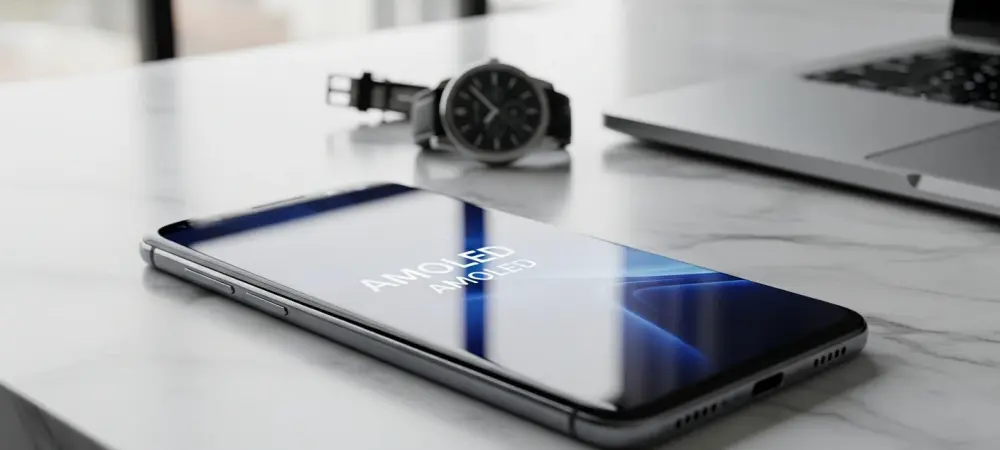
The emergence of the OnePlus Nord 6 CE (model CP##805) marks a pivotal moment where mid-range smartphones finally stop compromising on the core pillars of the mobile experience. While previous iterations often forced a choice between high-end display quality and long-term endurance, this new entry attempts to bridge that gap entirely. By leveraging a refined design language and aggressive hardware choices, the device seeks to redefine what consumers should expect from a sub-flagship price point.
The purpose of this review is to provide a thorough understanding of the technology, its current capabilities, and its potential future development. This evolution represents a significant advancement in the mid-range smartphone sector, signaling a shift toward more holistic engineering.
Evolution of the OnePlus Nord Ecosystem
The Nord 6 CE enters the global market as a strategic successor designed to stabilize the brand’s mid-range identity. Its origin as a rebranded version of the China-exclusive Turbo 6V highlights a streamlined manufacturing approach, allowing OnePlus to bring high-performance hardware to international audiences more rapidly. This transition reflects a broader strategy for global expansion, positioning the “Core Edition” as a primary volume driver. By contextualizing its position within the technological landscape, it becomes clear that OnePlus is moving away from experimental features toward a more reliable, performance-oriented ecosystem.
Core Technical Specifications and Performance Metrics
Visual Immersion via the 1.5K AMOLED Display
The 6.78-inch AMOLED panel utilizes a 1.5K resolution to strike a perfect balance between pixel density and power conservation. This specific resolution ensures that text remains sharp and media content is vibrant without the excessive battery drain typically associated with full QHD+ panels. Moreover, the 144Hz refresh rate provides fluid navigation that rivals top-tier flagships. This high-refresh-rate technology significantly enhances the user interface, making every scroll and transition feel instantaneous, which is particularly beneficial for high-fidelity gaming and multitasking.
Processing Power of the Snapdragon 7s Gen 4
At the heart of the device lies the Snapdragon 7s Gen 4 chipset, which represents a calculated architectural improvement over its predecessors. This silicon offers a 7% performance increase, providing a competitive edge in a market where efficiency is just as important as raw speed.
Evaluating the balance between power efficiency and processing speed reveals a chip optimized for sustained workloads. It manages thermal output effectively, ensuring that the device does not throttle during extended use, which remains a frequent issue for many of its closest rivals.
Industry-Leading Longevity with the 9,000mAh Battery
The inclusion of a massive 9,000mAh battery is arguably the most disruptive feature of the Nord 6 CE. This capacity addresses the primary pain point of modern consumers: the anxiety of a mid-day charge. Such a large cell transforms the daily usage cycle, allowing for multi-day autonomy even under heavy stress.
Advanced battery management systems play a crucial role in maintaining this high capacity without degradation. These software optimizations ensure that the physical chemistry of the battery remains stable, providing consistent power delivery throughout the lifespan of the smartphone.
Recent Advancements in Mid-Range Hardware Trends
Current industry shifts show a move toward offering flagship-tier battery density in more affordable devices. Innovations in display technology have also allowed 1.5K resolutions to become a standard in the mid-tier segment, narrowing the gap between “premium” and “accessible” categories.
Furthermore, regulatory certifications, such as India’s BIS, continue to influence global release cycles and consumer expectations. These certifications serve as a precursor to market entry, often signaling the final technical readiness of a device before it reaches a global audience.
Real-World Applications and Professional Use Cases
The device excels in mobile gaming and high-definition media consumption, where the combination of the 144Hz display and powerful chipset shines. In professional settings, the optical in-display fingerprint scanner enhances secure biometric access, making it a viable tool for enterprise users who require both speed and data protection.
Photography capabilities are anchored by a 50MP primary sensor that delivers reliable results in various lighting conditions. While it may not replace a dedicated professional camera, the sensor’s integration with OxygenOS provides a versatile tool for social media and content creation.
Technical Hurdles and Market Competition
Housing a 9,000mAh battery without compromising ergonomics presents a significant physical challenge. OnePlus had to balance the weight and thickness of the chassis to ensure the phone remained comfortable for one-handed use, a feat that distinguishes it from bulkier competitors.
Market obstacles remain, particularly with stiff competition from rivals like the Redmi Note 14 Pro+ series. Ongoing development efforts must focus on optimizing OxygenOS for new silicon architectures to ensure that software performance keeps pace with these hardware leaps.
The Future of the Nord Series and Mid-Range Development
The Nord 6 CE will likely influence future hardware iterations in the “CE” family by setting a new baseline for battery life and display quality. We may soon see potential breakthroughs in charging speeds to complement these high-capacity units, further reducing downtime for the user. In the long term, these high-end mid-range devices contribute to the democratization of premium mobile technology. As flagship features trickle down, the value proposition for consumers improves, forcing the entire industry to innovate more aggressively at every price level.
Final Assessment and Market Impact
The OnePlus Nord 6 CE successfully disrupted the mid-range market by prioritizing the features that matter most to the average user. Its combination of an expansive battery and a high-quality display created a package that was difficult for competitors to ignore. The strategic release solidified the brand’s global market share and forced a reevaluation of what “mid-range” hardware can achieve. Moving forward, the industry transitioned toward higher capacity standards, ensuring that future mobile developments prioritized sustainable performance over incremental aesthetic changes.