

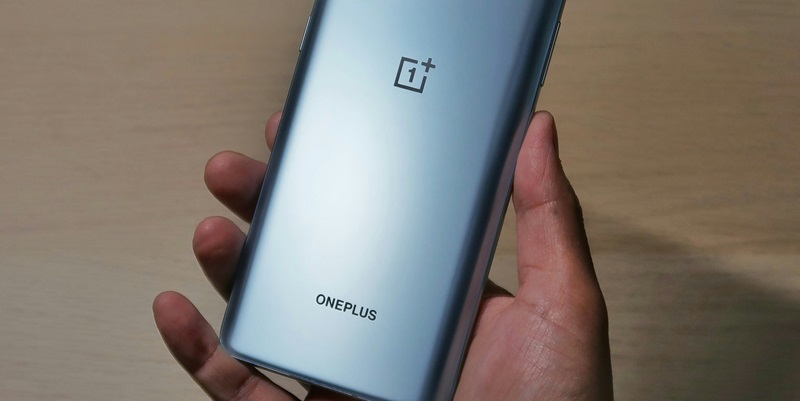
As the clock ticks down to the official unveiling of the OnePlus Ace 3 Pro, anticipation among tech enthusiasts has reached a fever pitch. With less than 24 hours to go, OnePlus has strategically leveraged both official channels and well-timed leaks to build excitement about its latest flagship model. This new addition to the brand’s Android lineup has promised a slew of upgrades designed to captivate both new users and loyal fans. One of the standout features we can look forward to is its enhanced durability, particularly evident in its superior water resistance rating. While previous models like the Ace 2 Pro and the 12R fell short in this area, the Ace 3 Pro boasts an IP65 rating, a significant improvement.
This improvement means the Ace 3 Pro will be impervious to water jets, underscoring OnePlus’ commitment to advancing waterproofing technology. But the upgrades don’t end there. The smartphone will feature a state-of-the-art 6.78-inch 1.5K display, consistent with the 12R model but integrated with the cutting-edge 8T LTPO technology from BOE. This technological leap promises not only better visual performance but also enhanced battery efficiency. Speaking of batteries, the Ace 3 Pro is packing a powerful 6,100mAh battery, ensuring extended usage without frequent recharges. These improvements signal a holistic enhancement over its predecessor, setting new benchmarks in both durability and display quality.
Enhanced Durability Features
One of the focal points in the Ace 3 Pro’s design is its substantial leap in durability, which is sure to catch the eye of those looking for a robust smartphone. The new model sports a refined aesthetic complete with a metal frame, moving away from the plastic construction of the Ace 2 Pro. This change is aimed at providing not just a premium look but also a sturdier feel. Adding to its resilience, the Ace 3 Pro will utilize Corning Gorilla Glass Victus 2, a significant upgrade from the off-brand Asahi Glass used in the Ace 2 Pro. This transition to Corning Gorilla Glass ensures better scratch resistance and an increased ability to withstand drops, a concern for any smartphone user.
In addition to the improved frame and screen durability, the Ace 3 Pro brings significant enhancements in water resistance. With an IP65 rating, the Ace 3 Pro is designed to be impervious to jet sprays of water, offering better protection against environmental elements. This is a notable improvement over the Ace 2 Pro, which lacked any official IP rating, and the 12R, which settled for an IP64 rating. Such advancements symbolize OnePlus’ focus on creating a more robust device capable of enduring everyday wear and tear. This added durability will likely resonate with users who value a device that can withstand the unpredictable challenges of daily life.
Display and Battery Improvements
While durability is a key selling point, the OnePlus Ace 3 Pro doesn’t skimp on its display and battery capabilities, promising a holistic user experience. The 6.78-inch 1.5K display, although consistent with the previous model, incorporates advanced 8T LTPO technology from BOE. This technology not only improves the quality of visual output but also enhances battery efficiency. As smartphone users increasingly demand superior screen performance without compromising battery life, this innovation stands out as a major strength. Complementing the advanced display is the smartphone’s robust 6,100mAh battery, a substantial capacity designed for prolonged usage.
Such battery power ensures that users can enjoy extended hours of video streaming, gaming, and other high-intensity activities without worrying about frequent recharges. The improvements don’t stop there; the enhanced LTPO technology also contributes by adjusting the screen’s refresh rate based on usage, further boosting battery life. Despite these advancements in display and battery life, it’s worth noting that the Ace 3 Pro will not feature the previously lauded 150W SuperVOOC wired charging technology. While this may disappoint some tech enthusiasts, the overall holistic improvements in display quality, durability, and battery longevity appear to offer a superior user experience, making up for the absence of ultra-fast charging capabilities.
OnePlus’ Strategic Focus
As the countdown to the OnePlus Ace 3 Pro’s official reveal continues, tech enthusiasts are buzzing with excitement. With less than a day remaining, OnePlus has skillfully used both its official channels and timely leaks to drum up anticipation for its latest flagship. The Ace 3 Pro is set to introduce a range of impressive upgrades that aim to attract both new users and loyal fans alike. One of the most notable improvements is its enhanced durability, highlighted by a superior water resistance rating. While previous models like the Ace 2 Pro and the 12R lagged in this regard, the Ace 3 Pro touts an IP65 rating, offering significant progress.
This rating means the Ace 3 Pro can withstand water jets, showcasing OnePlus’ commitment to advancing waterproof technology. But the upgrades do not stop there. The phone will sport a cutting-edge 6.78-inch 1.5K display, similar to the 12R but featuring 8T LTPO technology from BOE. This advancement promises not just better visuals but also improved battery efficiency. Speaking of batteries, it will house a robust 6,100mAh battery, ensuring longer usage without frequent charging. These enhancements mark a considerable leap over its predecessors, setting new standards in durability and display quality.