

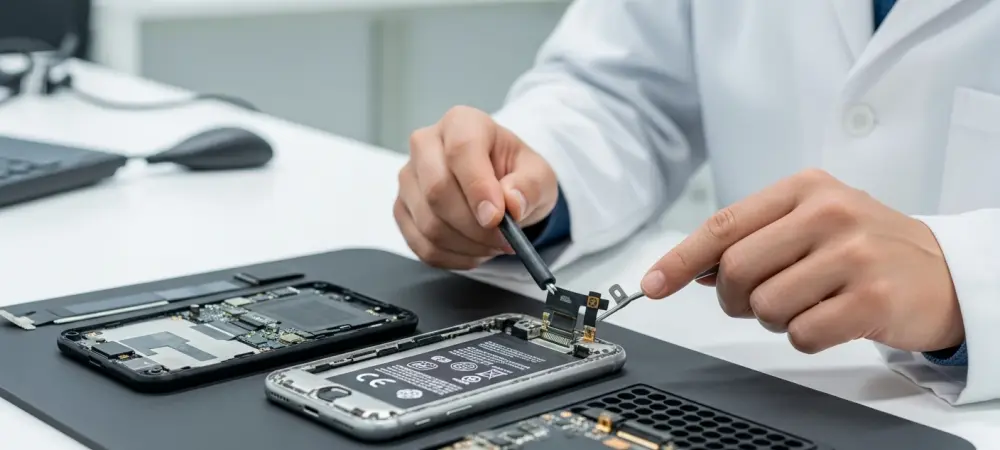
A smartphone that welcomes repair tools with one hand while fiercely guarding its most vulnerable component with the other represents the new paradox in consumer electronics, a challenge perfectly embodied by the OnePlus 15R. Recent analysis reveals a device that scores impressively high on the repairability scale, yet conceals a significant hurdle for one of the most common and necessary fixes. This duality presents a complex picture for consumers and repair advocates, highlighting both commendable progress and persistent design frustrations within the mobile industry. The phone’s internal architecture signals a deliberate move toward user accessibility, but its heavily fortified display serves as a stark reminder that the path to truly repairable devices is not always a straight line.
Is the Era of the Disposable Smartphone Finally Over
The impressive 8.5 out of 10 repairability score awarded to the OnePlus 15R raises a critical question about the future of mobile technology: are manufacturers beginning to abandon the philosophy of planned obsolescence? For years, smartphones have been increasingly sealed, glued, and constructed with proprietary parts, effectively turning them into disposable gadgets. A high score like this suggests a potential shift, where longevity and sustainability are becoming key design considerations, empowering users to extend the life of their devices rather than replacing them at the first sign of trouble.
However, this optimistic trend is tempered by the device’s inherent contradictions. While the OnePlus 15R excels in making certain repairs straightforward, it complicates others to a frustrating degree. This creates a confusing landscape for consumers, where a device can be both a champion for the “Right to Repair” movement and a case study in difficult engineering. The core conflict lies in a design that is surprisingly open in some areas yet stubbornly sealed in others, indicating that the industry’s transition toward full repairability is still a work in progress.
Why a Repairability Score is More Than Just a Number
A device’s repairability score is a direct reflection of its role in the broader “Right to Repair” movement, a global initiative advocating for consumer rights to fix their own electronics. This number quantifies a manufacturer’s commitment to sustainability and consumer empowerment. When a phone scores highly, it signifies that the company has actively chosen design principles that facilitate repair, a decision that has profound environmental and financial implications.
The benefits of such a design extend far beyond the individual owner. Repair-friendly electronics directly combat the growing problem of e-waste, one of the fastest-growing waste streams worldwide. By making it easier to replace a failing battery or a broken camera, manufacturers help divert countless devices from landfills. Financially, this philosophy saves consumers from the high cost of official repairs or, worse, the need to purchase a new device entirely. In an industry notorious for sealed-shut products that require specialized tools and expertise, a high score is a noteworthy achievement that challenges the status quo.
Inside the OnePlus 15R a Tale of Two Designs
Upon disassembly, the OnePlus 15R reveals a foundation built with repair in mind. The widespread use of standard Philips screws is a welcome departure from the proprietary fasteners often used by competitors, immediately lowering the barrier to entry for technicians and hobbyists. This thoughtful approach continues inside, where key components like the camera modules are designed for simple disconnection and replacement. Accessing the main board is also remarkably uncomplicated, requiring the removal of only a single fastener to reach the phone’s electronic core. One of the most significant innovations is the inclusion of a battery pull pouch. This simple feature makes removing the battery—one of the most frequent smartphone repairs—safer and dramatically easier. It eliminates the need for prying with tools, a dangerous practice that can puncture the lithium-ion cell and cause a thermal event. In contrast, the device presents several hidden headaches. The glass backplate is secured with powerful adhesive, demanding the careful application of heat and a delicate touch to remove without causing cracks. Beneath it, fragile layers of graphite film and copper tape must be peeled back to access essential connectors, adding complexity to what should be simple procedures. The most formidable challenge, however, is the screen replacement. This common repair becomes a labor-intensive operation due to the display’s flex cable being buried deep within the device’s architecture. A full replacement requires a technician to first remove the backplate, multiple screws, the bottom speaker cover, and the entire subboard assembly just to disconnect the old screen. After this extensive disassembly, the screen must still be heated and carefully pried from the frame, a final, difficult step that solidifies its reputation as the phone’s primary repairability weakness.
The Expert Verdict From the Teardown Bench
The 8.5 out of 10 score stems from a detailed teardown analysis that methodically evaluated the device’s design from a repair perspective. The high marks were largely attributed to the phone’s logical and modular internal layout. Experts praised the simplified access to the main board and the ease with which individual components, such as the cameras, could be swapped out. This internal architecture was seen as a deliberate and positive step toward empowering third-party repair.
This praise, however, was contrasted with a sharp critique of the screen repair process. The analysis concluded that while the phone’s internal design was commendable, the difficulty of replacing the display was its most substantial drawback. This single, labor-intensive procedure was identified as a major design flaw in an otherwise accessible device, preventing it from achieving an even higher score and serving as a key point of caution for both technicians and potential buyers.
A Practical Guide What This Score Means for Owners and Buyers
For the DIY enthusiast, this score paints a clear picture of what is and is not feasible. Common procedures like battery and camera module replacements are green-lit, presenting straightforward tasks for those with basic tools and skills. The modular design and standard screws make these repairs accessible to a wider audience. However, more advanced work, particularly replacing the screen or the adhesived backplate, comes with a strong cautionary note. These tasks carry a high risk of causing additional damage and should only be attempted by experienced individuals with the proper equipment.
For the everyday consumer, this repairability score translates into tangible long-term value. The ease of replacing the battery means that the phone’s lifespan can be extended significantly at a minimal cost once out of warranty. When considering a purchase, a buyer should weigh this significant advantage against the high potential cost and difficulty of a screen repair. The OnePlus 15R demonstrates that repairability is not a simple yes-or-no question but a nuanced factor that requires a deeper look into which repairs are easy and which remain a challenge.